
Reviewed · MUMBAI MARKET TOURS
Mumbai Market Tour
South Mumbai’s markets are the point here: carts and stalls crowd streets lined with colonial buildings, temples, and mosques. You can move from spices and fruit to fabric and flowers, seeing how trade and daily life share the same busy lanes.
I like two things in particular: the range of market stops, from Crawford Market to the cloth and jewelry districts, and the chance to learn how to bargain with a guide who can explain local customs. One consideration: the experience may spend more time in shops than at historic or religious sites.
At a glance
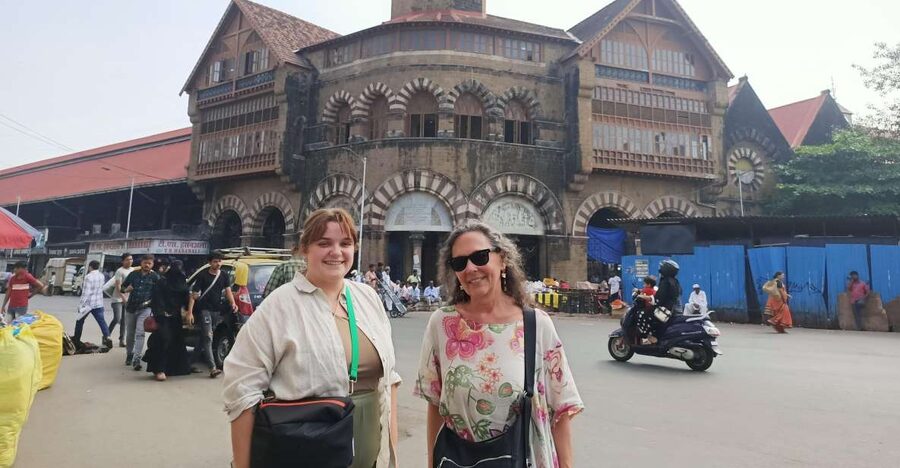
- Crawford Market brings together fresh produce, spices, scented candles, party supplies, and other everyday goods.
- Mangaldas Market is the main stop for cloth and fabrics, with plenty to tempt anyone who enjoys browsing textiles.
- Flowers, jewelry, and spices show three distinct sides of Mumbai’s trading life, from marigolds to gold and cardamom.
- Jama Masjid, Mumba Devi Temple, and Madhav Baugh are named among the sites, though the amount of time spent at each is not specified.
- Bargaining and local context can be part of the walk, depending on your guide and interests.
- The $23 price is a reasonable entry point for a guided city walk, but value depends on whether you want market shopping or a more history-focused tour.
South Mumbai is best understood at street level
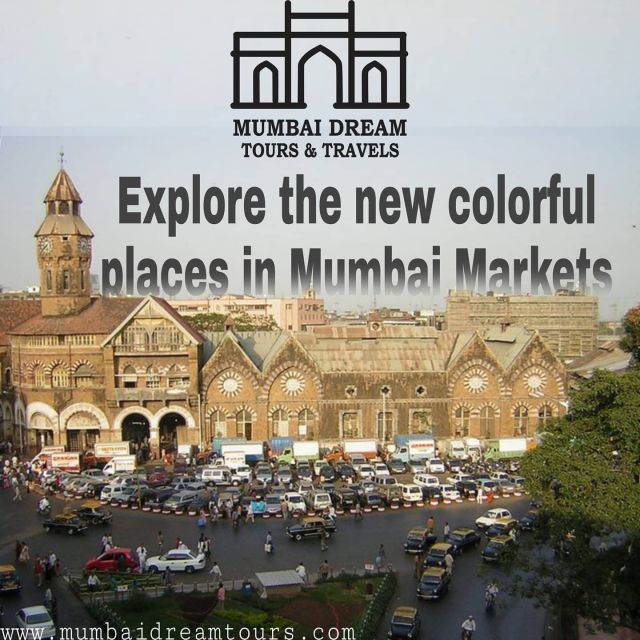
Landmarks tell you what a city has chosen to preserve. Markets show you what people need today. On this walk through South Mumbai, the streets themselves are the attraction: wide roads give way to narrow lanes, colonial-era buildings stand beside places of worship, and vendors sell everything from flowers and clothing to spicy snacks.
That mix is useful if you want a first-hand feel for the city rather than a string of photo stops. You see commerce happening in its own setting, not behind a museum display. The trade-off is that the tour can feel less like a formal history lesson and more like a guided walk through shops and streets.
The route is described as covering several historic markets and religious sites. The precise order and the time spent at each are not specified, so go in expecting a varied walk rather than a tightly timed sequence of guaranteed visits. Your guide may also adjust attention to what interests you. A visitor described learning about the markets and practicing bargaining, while another found the textile stop particularly memorable.
More market tours around Mumbai:
- Mumbai: Street Food and Night Markets Tour
★ 4.9 · 719 reviews - Mumbai Morning Market Tour of Flowers, Fish, and More
★ 5.0 · 100 reviews - Mumbai Morning Market Tour of Flowers, Fish, and More
★ 5.0 · 82 reviews
Crawford Market mixes groceries with the unexpected
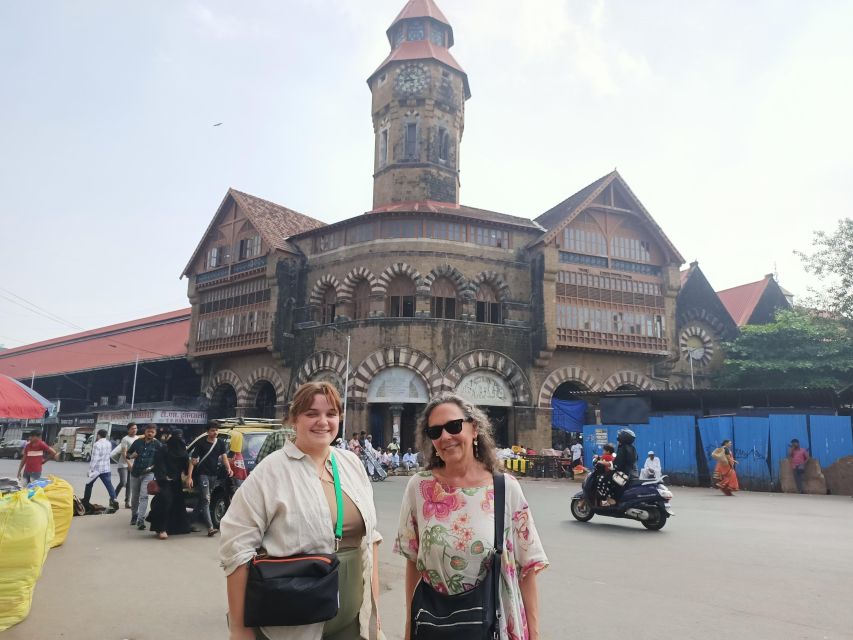
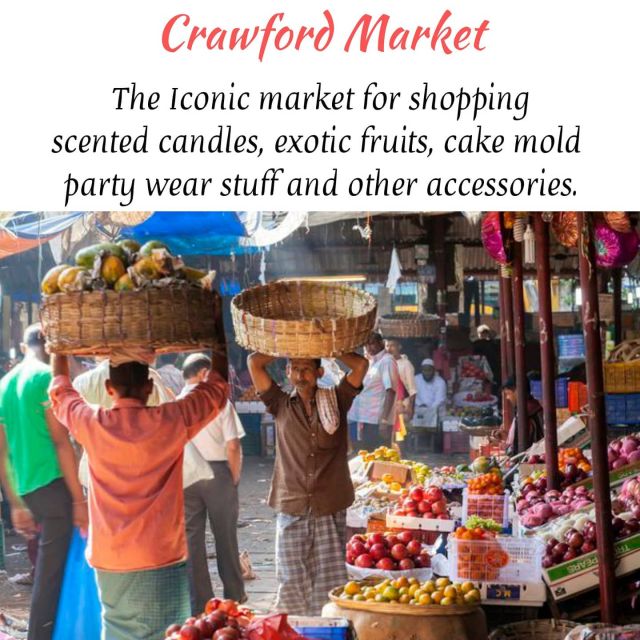
Crawford Market is the best-known stop on the route and one of Mumbai’s oldest and largest markets. The experience described here includes fresh produce and spices, alongside scented candles, cake molds, party supplies, and accessories. That range is part of the appeal: it is not simply a place to buy food, but a working market where many kinds of shopping happen under one name.
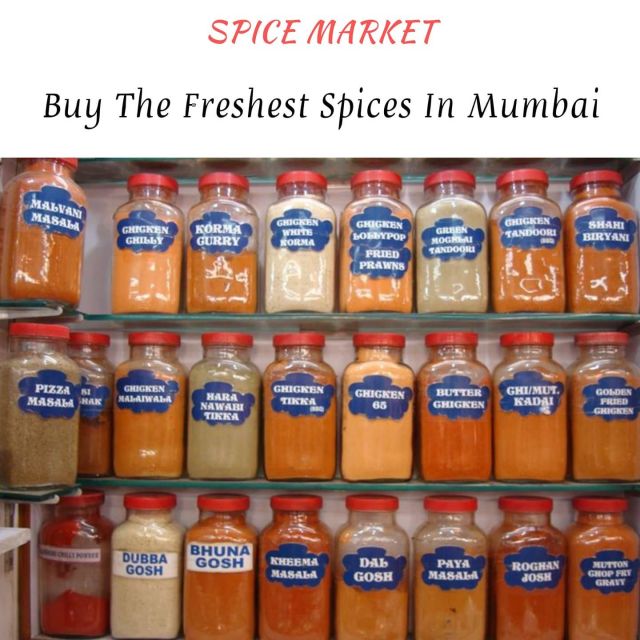
The spice stalls give you a clear sensory introduction to the city’s food trade. Cumin, coriander, turmeric, and cardamom are among the spices you may find. If you enjoy cooking, this is a chance to compare familiar ingredients with the market setting in which they are sold. If you do not plan to buy, a guide can still help explain what is on offer and how to look around without turning every stall into a purchase.
One visitor’s experience raised a useful caution: a stop at a spice shop can feel like a sales visit, especially if the guide has a personal connection to the seller. That does not mean every visit will work that way, but it is worth being clear about your expectations. You can ask whether a stop is intended for browsing, explanation, or shopping before you settle in.
Mangaldas Market is the textile stop
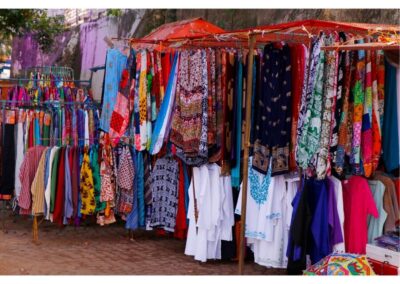
Mangaldas Market is described as a famous cloth market, with fabrics and other goods that may tempt you to keep browsing. This is likely the most hands-on part of the tour if you enjoy textiles, clothing, or the practical puzzle of comparing materials and prices.
A textile market can be a lively place to learn by looking. You can see the difference between stalls, ask about fabric, and get a sense of how bargaining works. One visitor specifically appreciated a guide’s patience in the textile market. Another said the guide helped teach bargaining and took the group toward places that suited its interests. Those details point to the value of a guide who can keep the pace comfortable and give you room to ask questions.
The caveat is straightforward: a market walk may lead to buying opportunities. One visitor felt the outing was closer to a shopping tour than a cultural tour, and objected to sales stops and high prices. If you are not shopping, say so politely at the start. If you are, ask about prices before committing, and remember that browsing does not oblige you to buy.
Spices, jewelry, and flowers show different sides of trade
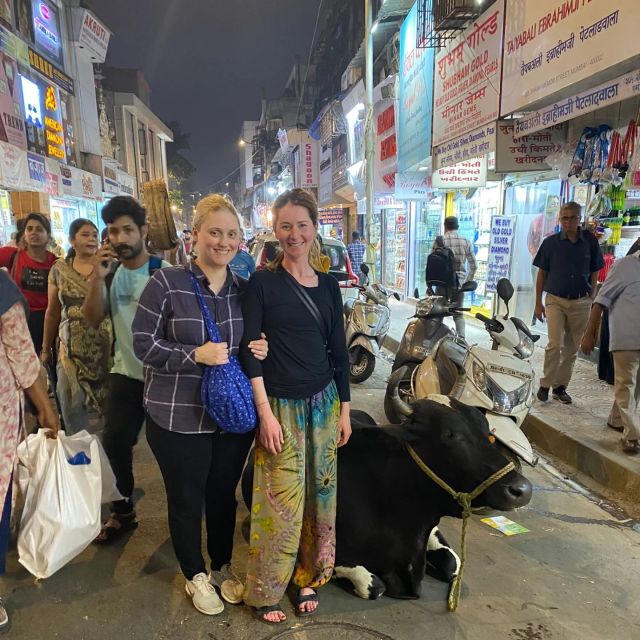
The spice market is closely linked to Crawford Market in the tour description, so it may not feel like a wholly separate district or stop. The useful distinction is the focus: spices offer a window into the ingredients used in Indian cooking, while the larger market offers a broader mix of goods. Expect the guide to help make sense of what you are seeing, rather than assuming every stall needs a purchase.
The jewelry market is described as one of Mumbai’s oldest and busiest, with gold, silver, diamond jewelry, and precious or semi-precious stones. It offers a different kind of browsing from cloth or food. You can observe the variety and activity, but the information provided does not specify whether the tour includes buying, a demonstration, or time to shop. Treat it as a market visit, not a guarantee of a jewelry-focused lesson.
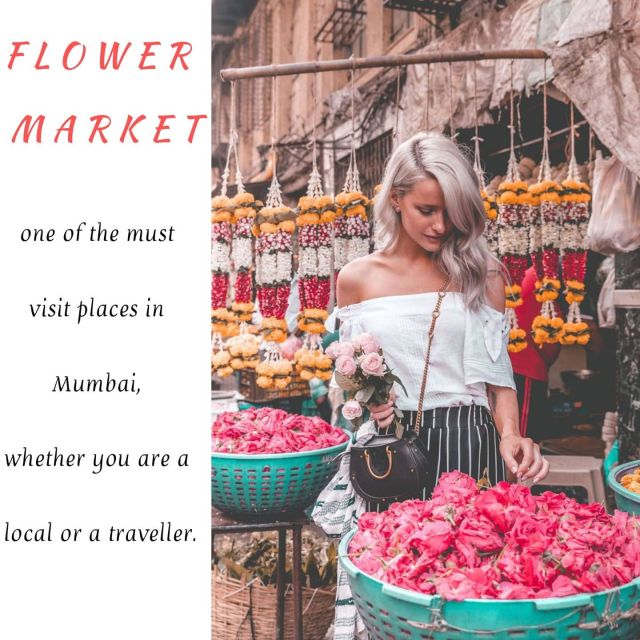
The flower market is identified as Mumbai’s largest, with marigolds, roses, lilies, and orchids among the blooms. Flowers make a quick, vivid counterpoint to the more practical goods elsewhere on the route. They also show how markets serve more than household shopping: flowers are part of the city’s religious and social life. The tour description does not say whether you will see flowers being arranged or delivered, so think of this as a chance to observe the market rather than a scheduled activity.
More shopping trips around Mumbai:
- Mumbai Street Food Tour with Evening Bazaar Walk
★ 4.9 · 79 reviews - Mumbai Street Food & Bazaar Tour with Local Transport
★ 5.0 · 51 reviews - Two Days Mumbai Tour Package : City + Slum + Elephanta + Market
★ 4.5 · 24 reviews - Mumbai 3 days package – Sightseeing, Food, Shopping, Slum, Bollywood & Kanheri
★ 5.0 · 20 reviews
Temples and mosques add context, but confirm the focus
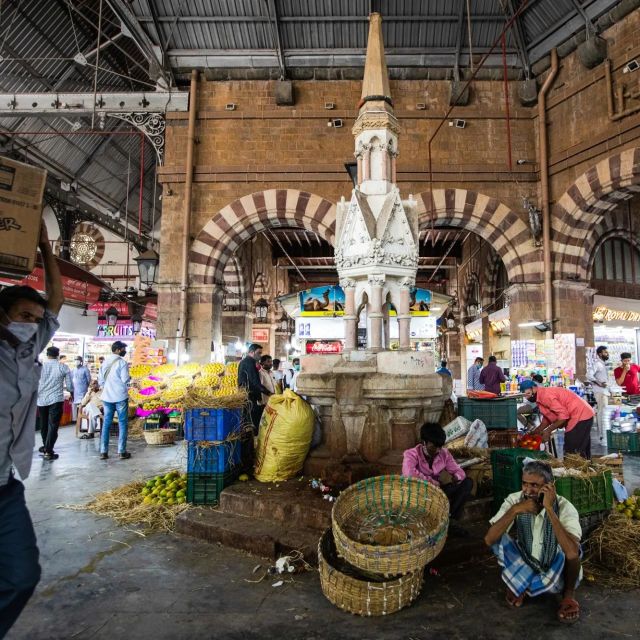
Jama Masjid, Mumba Devi Temple, and Madhav Baugh are included among the named sites. Their presence matters because the markets do not sit apart from the city’s religious life. The walk is described as passing through streets where shops, colonial buildings, temples, and mosques share space.
Still, the amount of dedicated time at these places is unclear. One visitor felt that the tour did not provide the promised cultural visits to temples, despite passing them along the way. If visiting a religious site is a priority, ask before booking whether the guide enters the sites or explains them from outside. Do not assume that a place named in the experience means a formal visit, a tour inside, or time for worship.
That distinction helps set expectations. You may get a meaningful sense of how religious places fit into the surrounding streets, but this is not described as a temple-focused or architecture-focused tour. Its center of gravity is the market walk.
A good guide can turn browsing into understanding
The guide is a major part of the experience. Kieran was praised for giving insight into market life and culture, while Dinesh was credited with knowing the markets and keeping a relaxed pace. Another visitor remembered a guide whose name began with A, describing a flexible approach that included extra places and bargaining advice. You cannot assume you will have any particular guide, but these examples show what helps: clear explanations, patience, and a willingness to respond to your interests.
That personal guidance is valuable in a market. A stall can look like a jumble of goods until someone explains what is being sold, how to compare it, or when it makes sense to bargain. A guide may also make the walk less intimidating if you are new to Mumbai. The experience is in English, which makes it accessible to English-speaking visitors, though the exact depth of explanation can naturally depend on the guide.
The pace has also been described as relaxing. That matters because market streets offer a lot to take in, and a rushed walk can turn everything into visual noise. You will get more from the experience if you are willing to pause, ask questions, and let the guide know whether you want more context or more time to browse.
Is $23 good value?
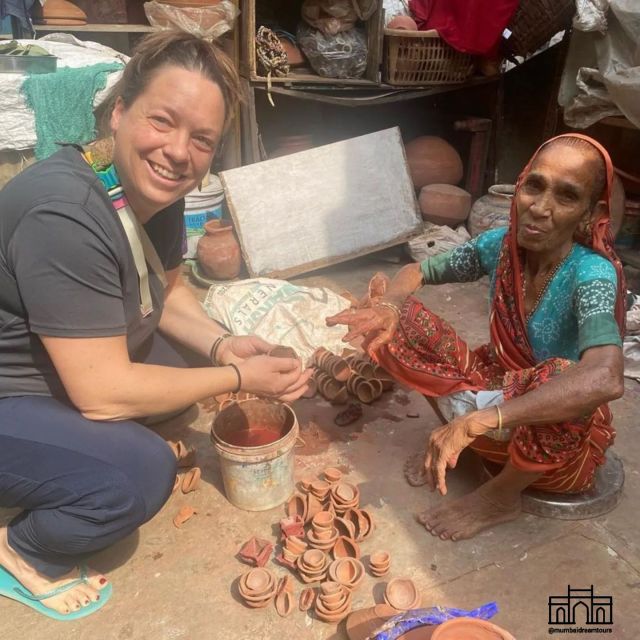
At $23 per person, the tour is priced within reach for a guided city walk. Its value comes less from any single attraction and more from having someone accompany you through several markets, explain what you are seeing, and help with local customs such as bargaining. If you would otherwise explore the markets alone, that guidance may make the walk easier and more informative.
The price looks less compelling if you expect a detailed history tour, guaranteed entry to religious sites, or a strictly noncommercial experience. One person found the shopping emphasis disappointing and felt prices at shop stops were excessive. That is a fair warning: the route includes markets where buying is part of the setting, and some stops may involve sellers the guide knows.
You can protect your own interests by asking what the tour spends most of its time doing. If you want to shop, ask whether there is time to compare options. If you want culture and street life, explain that you are not looking to buy. The guide may be able to tailor some of the walk, though the degree of flexibility is not guaranteed.
Who should book this market walk?
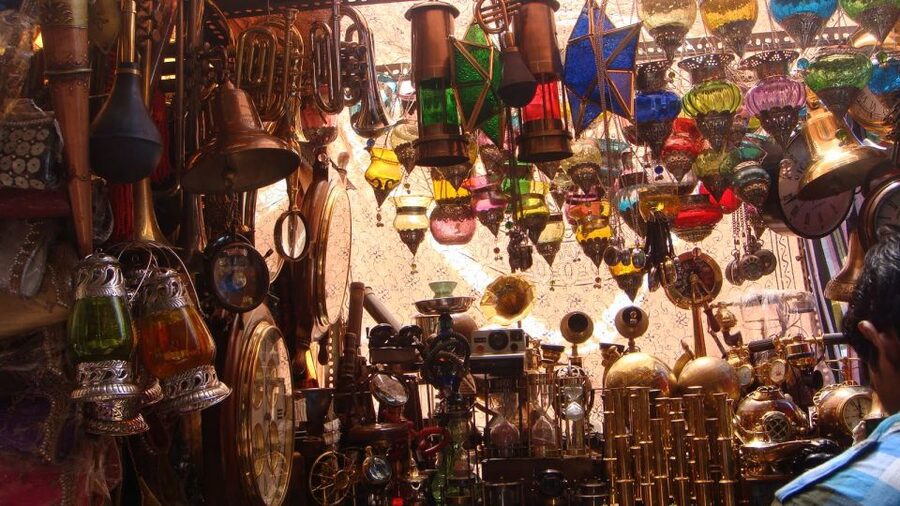
I would consider this tour if you enjoy people-watching, street markets, food ingredients, textiles, and the small lessons that come from seeing a city at close range. It suits a visitor who is comfortable with crowds and commercial stops, and who values a guide’s local explanations over a polished museum-style presentation.
It is less suited to you if you want a carefully paced architecture tour, substantial time inside temples, or no shopping pressure at all. The experience can still be worthwhile without buying anything, but you should make your preference clear. And if a particular market or religious site is essential, confirm that it receives proper attention before you book.
The tour offers a useful introduction to South Mumbai’s trading streets, with enough variety to keep the walk interesting. Book it for the markets and the guide’s help navigating them, not on the assumption that every stop will be a deep cultural visit.
FAQ
What is the price of the Mumbai Market Tour?
The stated price is $23 per person.
What language is the tour offered in?
The tour is offered in English.
Which markets are included?
The named markets include Crawford Market, Mangaldas Market, the spice market, the jewelry market, and the flower market.
What can I find at Crawford Market?
The market is associated with fresh produce and spices, as well as scented candles, cake molds, party supplies, and accessories.
What is Mangaldas Market known for?
Mangaldas Market is known for cloth and fabrics, along with other goods.
Which religious sites are named?
Jama Masjid, Mumba Devi Temple, and Madhav Baugh are named as part of the experience.
Is shopping part of the tour?
The route visits shopping markets, and some stops may involve shops. The amount of time devoted to shopping is not specified.
Can I reserve now and pay later?
Yes. The stated booking option allows you to reserve a spot without paying today.
What is the cancellation policy?
You can cancel up to 24 hours in advance for a full refund.
Just added around Mumbai
- Victorian Gothic Heritage Quarter and Art Deco Walking Tour★ 4.9 · 14 reviews
- Mumbai Airport to Mumbai Hotels : Private Transfers★ 5.0 · 13 reviews
- Private Walking Tour in Dharavi Slums★ 5.0 · 7 reviews
- Mumbai Sightseeing Tour★ 5.0 · 11 reviews
- Vegetarian Indian Cuisine Virtual Cooking Class Experience from Mumbai★ 5.0 · 4 reviews
- Private Mumbai 2-Day Tour Package:City + Slum & Elephanta Island.★ 5.0 · 3 reviews
- Mumbai by Night Guided Tour★ 5.0 · 6 reviews
- Taj Mahal Day Trip Including Same Day Flights from Mumbai★ 5.0 · 3 reviews
Mumbai Market Tours, compared.

Mumbai Morning Market Tour of Flowers, Fish, and More
Read our review →
Mumbai Street Food Tour with Evening Bazaar Walk
Read our review →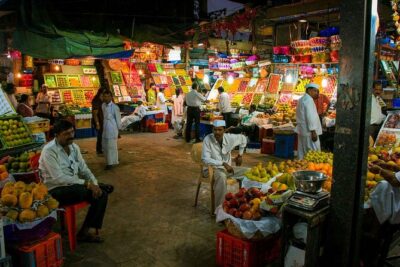

Mumbai Street Food & Bazaar Tour with Local Transport
Read our review →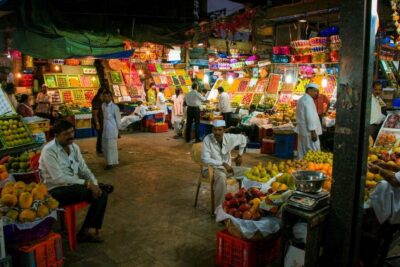
Vibrant Markets of Mumbai (2 Hours Guided Walking Tour)
Read our review →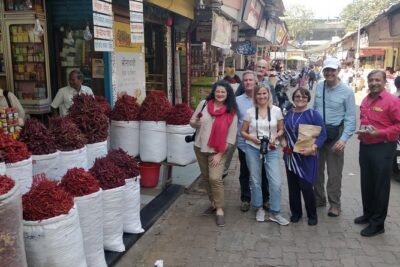
Mumbai Spice Markets and Bazaars Tour with Guide and Transport
Read our review →Browse the lists this tour appears in