Reviewed · MUMBAI TOURS
Traditional Indian Immersive Cultural Experience
Mumbai’s craft traditions come into focus in an unexpected place: a small studio inside a residential apartment, where about 300 dolls, masks, and figurines tell stories of communities across India. I like the close-up look at folk art and its meaning, and the way personal travel anecdotes connect objects to customs, legends, and textiles.
The tour also includes a second, more contemporary chapter: drawings about subjects such as motherhood, isolation, and the mind. One point to weigh is the setting. This is an intimate, carefully handled collection, not a large museum with broad galleries, and entry is restricted to visitors aged 10 and older because the exhibits are fragile.
Key points
- About 300 artifacts are displayed in glass cabinets inside a residential studio in Worli.
- Indian craft forms are the main focus, including dolls, masks, and figurines from regions across the country.
- International dolls add a comparative angle, with pieces from Japan, Iran, Nepal, Bhutan, Indonesia, Ukraine, and elsewhere.
- Stories and context are central, covering folk tales, indigenous communities, textiles, local customs, and the history of the craft forms.
- The tour has two parts, moving from artifacts to drawings on themes such as motherhood and pandemic isolation.
- It is private and about three hours long, with admission limited to people aged 10 and up.
A Mumbai studio, not a conventional museum
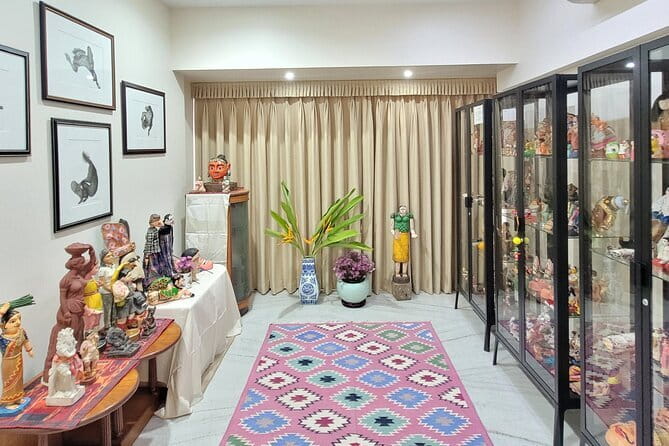
The Sister Studio sits in the Worli and Prabhadevi area, inside a residential apartment. That setting shapes the whole visit. Instead of walking through a public museum’s large rooms, you spend time in a smaller space where the collection is presented up close and the guide can give sustained attention to your group.
I like this format for a subject that can be hard to read from an object alone. A mask or figurine may be striking, but its purpose and place in a community are not always obvious. Here, the explanations connect the pieces to social customs, beliefs, geography, and history, so you have a better chance of understanding what you are seeing rather than simply admiring its shape.
The studio displays around 300 artifacts in glass cabinets. The cabinets protect fragile works, but they also mean you should expect to look at the objects rather than handle them. This is a good fit if you enjoy asking questions and taking time over details. It may be less satisfying if you want a large collection that you can explore independently at your own pace.
More tours and days out around Mumbai:
- Dharavi slum tour in Mumbai by Female tour guides of the slum
★ 5.0 · 1,976 reviews - Mumbai: Full-Day Sightseeing Tour of Mumbai
★ 4.9 · 1,822 reviews - Private Mumbai Sightseeing Tour (Traveller’s Choice Award Winner)
★ 5.0 · 1,565 reviews
First, the dolls, masks, and figurines
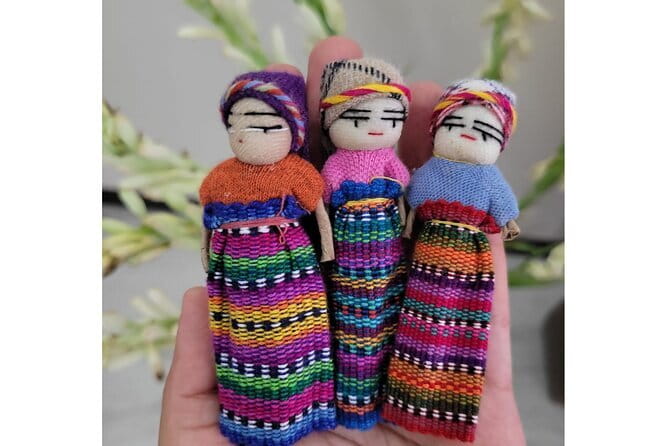
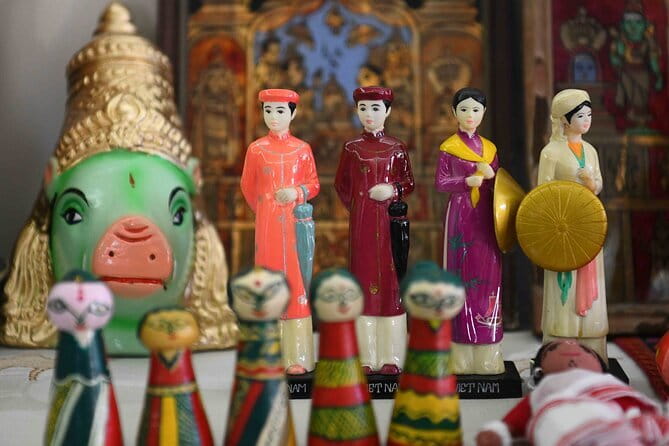
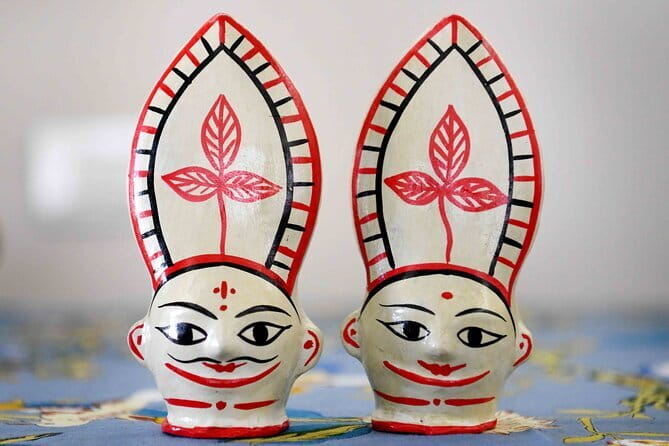
The first part of the visit focuses on Indian craft forms gathered from different parts of the country. Dolls, masks, and figurines provide a way into subjects that range well beyond art: the people who made them, the traditions they served, and the stories attached to them. Some forms are described as being on the brink of extinction, giving the collection an added purpose as a record of practices that may be disappearing.
You can expect the guide to explain the artifacts through several lenses. A piece may prompt a discussion of local religious or social customs, the geography of its place of origin, the materials and craft involved, or a folk story associated with it. The tour also touches on indigenous tribes and textiles, with anecdotes from the hosts’ travels through India’s rural regions.
That storytelling is one of the strongest reasons to book. The objects are not presented as a checklist of names and dates. Instead, the stories help bring the exhibits to life, giving you a human context for forms that might otherwise seem unfamiliar. The pace and depth of that conversation will naturally depend on your interests and questions, but the private format makes it easier to follow a topic that catches your attention.
The range is not limited to Indian pieces. Dolls from Japan, Iran, Nepal, Bhutan, Indonesia, Ukraine, and other countries are also on display. These international objects broaden the conversation and let you compare how different places represent people, identity, or tradition through dolls. They are a supporting part of the visit, though: the tour’s central focus remains Indian craft and culture.
The collection has been recognized by the office of Prime Minister Narendra Modi and has received coverage in Indian newspapers. That recognition may add interest, but it is not the main reason to go. The useful part for you is the chance to see a substantial private collection with explanations that connect objects to the lives and practices behind them.
Then, a change of subject through drawings
The second part of the tour shifts from objects and craft traditions to drawings on a range of themes. These include motherhood, the explosiveness of the mind, isolation during the recent pandemic, and scenes inspired by travel through rural parts of India.
This change gives the visit a different rhythm. After exploring artifacts rooted in community customs and traditions, you encounter a more personal and contemporary form of expression. The drawings are not simply an extra room of similar material; they raise different questions about emotion, experience, and how an artist responds to the world.
The subjects are varied, so you should not expect a single theme or a tidy conclusion. If you enjoy looking at art for the ideas behind it as much as for technique, this section should add something meaningful. If your main interest is traditional craft, it is worth knowing that the drawing portion is a distinct component rather than more examples of dolls and masks.
Together, the two parts make the three-hour visit broader than a display of folk objects alone. You move from cultural forms with social and historical roots to drawings shaped by individual experience. That contrast is part of the appeal, though it also means the tour covers a wide range of material in one sitting.
Why a private tour changes the visit
This is a private activity, so only your own group takes part. That can make a real difference in a small studio. You can listen closely, ask follow-up questions, and spend more time on the subjects you find interesting without needing to keep pace with a larger group.
It also makes the experience more personal than a standard museum visit. The collection is shown in the hosts’ home studio, and the discussion includes anecdotes from their travels. That is valuable if you want a direct conversation about Indian craft forms rather than a self-guided visit with labels as your only source of context.
The trade-off is that the experience depends on the guided presentation. You are booking a three-hour conversation and walkthrough, not a building full of exhibits that you can roam through on your own. If you prefer quiet, independent museum time, this may not be your ideal format. If you like having someone explain the links between an object, a story, and a tradition, the guided approach is the point.
Same city, a different kind of day:
- Elephanta Caves & Island Guided Private Tour
★ 5.0 · 1,327 reviews - Group Guided Walking Tour in Fort and Colaba
★ 5.0 · 1,073 reviews - Mumbai: Elephanta Caves Half-Day Guided Tour with Expert
★ 4.8 · 1,032 reviews - Highlights of Mumbai Sightseeing Tour: TRAVELLERS CHOICE AWARDED
★ 5.0 · 915 reviews
Is $54 a fair price?
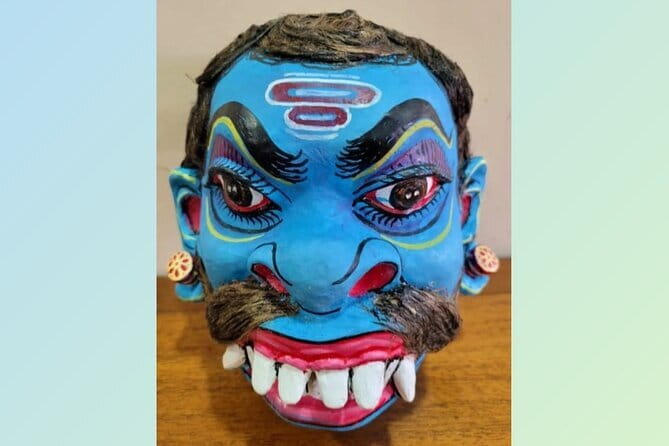
At $54 for an experience of about three hours, the value rests on depth and access rather than scale. You are paying for a private guided visit to a collection of about 300 artifacts, a discussion of Indian crafts and customs, international dolls, and a separate drawing presentation. For someone interested in art, folklore, textiles, or cultural traditions, that is a substantial amount to explore in one sitting.
I would not compare the price directly with entry to a large public museum. The studio is small, and the appeal is not sheer size. You are paying for the explanations, the personal setting, and the chance to ask questions. The collection has been carefully researched and documented, and the presentation is described as informative, which matters when many of the objects need cultural context to make sense.
Value is more subjective if you have limited interest in folk art or guided discussion. Three hours is a meaningful portion of a Mumbai day, and the format asks you to engage with the material rather than breeze through it. If you are curious about the subject, the time can feel well spent. If you mainly want a quick sightseeing stop, it is probably not the best match.
Getting there and planning your visit

The meeting point is listed at WeWork, 1st floor, 264-265 Dr Annie Besant Road, Municipal Colony, Worli Shivaji Nagar, Mumbai. The activity ends back at the meeting point, and the area is near public transportation. Since the visit takes place in a residential studio, check your confirmation for the precise meeting instructions before setting out.
The stated opening hours are daily from 11 a.m. to 5 p.m. The experience lasts about three hours, so the time slot you choose matters: plan around the visit rather than treating it as a brief stop between other activities. Booking confirmation is subject to availability and may arrive within 48 hours.
The collection is fragile, so children under 10 cannot enter. That restriction is worth considering if you are planning a family outing. Most people can participate, but the tour is best for anyone comfortable spending several hours listening, looking closely, and discussing the objects.
You can cancel for a full refund up to 24 hours before the start time. Changes or cancellations made within 24 hours are not accepted for a refund, so check your plans before booking.
Who will enjoy this studio visit?
This tour suits culture lovers who want stories as well as objects. It should especially appeal to people interested in Indian folk traditions, handmade forms, local beliefs, indigenous communities, and textiles. The international dolls are a bonus if you like comparing cultural objects across countries.
It also works well if you have already seen Mumbai’s major sights and want a quieter, more focused activity. The private setup offers a different kind of cultural stop: small in scale, but with room for a long conversation. The collection’s mix of older craft traditions and modern drawings also gives the visit more range than its studio setting might suggest.
You may want to skip it if you prefer a large museum, want to handle the exhibits, or have young children under 10. And if you are not drawn to guided explanations, the studio’s intimate format may feel too structured. The right choice comes down to whether you want a close look at objects and the stories attached to them.
Should you book this tour?

Book it if you are curious about the people, beliefs, and local stories behind Indian craft forms, and you value a private guide over a grand museum setting. The roughly 300 artifacts, international dolls, and themed drawings make for a distinctive three-hour visit in Worli.
Skip it if you want a quick attraction, a large public gallery, or a hands-on craft session. For visitors who enjoy folklore, art, and thoughtful conversation, this studio offers a focused way to explore cultural subjects that can be easy to miss on a standard Mumbai sightseeing day.
FAQ
How long does the tour last?
The tour lasts about three hours.
Where does the experience take place?
It takes place in a small studio within a residential apartment in the Worli and Prabhadevi area of Mumbai. The meeting point is listed at WeWork, 1st floor, 264-265 Dr Annie Besant Road, Worli Shivaji Nagar.
What will I see during the visit?
You will see about 300 dolls, masks, and figurines, including Indian craft forms and dolls from several other countries. The visit also includes drawings on themes such as motherhood, the mind, pandemic isolation, and travel in rural India.
Is this a private tour?
Yes. Only your group participates.
Can children attend?
Entry is restricted to visitors aged 10 and older because the exhibits are fragile.
What are the cancellation terms?
You can cancel at least 24 hours before the start time for a full refund. Cancellations or changes made less than 24 hours before the start time are not accepted for a refund.
Just added around Mumbai
- Victorian Gothic Heritage Quarter and Art Deco Walking Tour★ 4.9 · 14 reviews
- Mumbai Airport to Mumbai Hotels : Private Transfers★ 5.0 · 13 reviews
- Private Walking Tour in Dharavi Slums★ 5.0 · 7 reviews
- Mumbai Sightseeing Tour★ 5.0 · 11 reviews
- Mumbai by Night Guided Tour★ 5.0 · 6 reviews
- Vegetarian Indian Cuisine Virtual Cooking Class Experience from Mumbai★ 5.0 · 4 reviews
- Private Mumbai 2-Day Tour Package:City + Slum & Elephanta Island.★ 5.0 · 3 reviews
- Taj Mahal Tour From Cruise Port, Mumbai, Cochin and Goa★ 5.0 · 8 reviews
Mumbai Tours, compared.
Dharavi slum tour in Mumbai by Female tour guides of the slum
Read our review →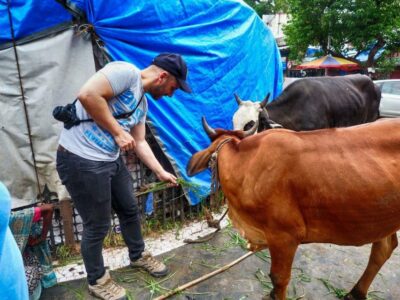
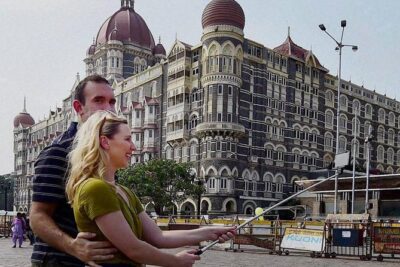
Private Mumbai Sightseeing Tour (Traveller’s Choice Award Winner)
Read our review →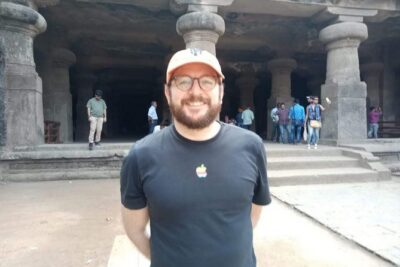
Elephanta Caves Half-Day Guided Tour with Expert
Read our review →
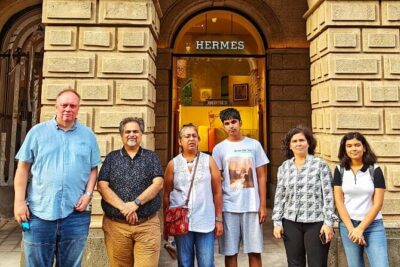
Highlights of Mumbai Sightseeing Tour: TRAVELLERS CHOICE AWARDED
Read our review →