
Reviewed · MUMBAI MARKET TOURS
Mumbai: Magical Markets Tour
Mumbai’s old market quarter makes most sense on foot, where a fruit stall, a temple doorway and a gold shop can sit just steps apart. This two-hour walk links that jumble of trade and faith, from the jewelry lanes of Zaveri Bazaar to Crawford Market’s ornate stonework.
I like the mix of markets and landmarks, which gives the walk more shape than a simple shopping trip. I also like that it takes you into narrow local lanes with a guide, and includes masala chai served in a clay cup.
The main caveat is the pace. There are many stops in two hours, so this is a brisk introduction rather than time to browse every market at leisure. Some tours have also varied from the advertised route, so tell your guide early which places matter most and whether you want to shop.
At a glance
- Zaveri Bazaar is Mumbai’s largest jewelry market, with gold ornaments and glittering stones on display.
- Bhuleshwar Market is a broad introduction to everyday trade, from produce and household goods to religious offerings.
- Crawford Market pairs food stalls with Gothic and Romanesque architecture.
- Chor Bazaar and Mangaldas Market bring antiques, furniture, silk and cloth into the route.
- The walk is private, with an English- and Hindi-speaking guide and local recommendations.
- Bring comfortable shoes and sun protection, and leave large bags behind.
A fast walk through Mumbai’s market quarter
This tour is a compact look at a working part of Mumbai, not a polished procession of sights. You move through streets where buying, selling, worship and daily errands happen side by side. That is the appeal: the markets are not set pieces, but part of the city’s routine.
The route begins at Café Coffee Day in the VT Capital Cinema Building, near Noor Fort. From there, the plan takes you through several market districts and temples, with walking segments of roughly 10 to 20 minutes. The short duration means the guide’s explanations do much of the work, helping you understand what you are seeing while the street keeps moving around you.
The advertised route includes Shri Swaminarayan Mandir, Bhuleshwar Market, Mumba Devi Temple, Zaveri Bazaar, Kalbadevi, Chor Bazaar, Mangaldas Market and Crawford Market. The route details place Mumba Devi Temple at the finish, while the tour description places it earlier in the walk. Since those details do not line up perfectly, ask the guide at the start how the stops will be arranged that day.
More market tours around Mumbai:
- Mumbai: Street Food and Night Markets Tour
★ 4.9 · 719 reviews - Mumbai Morning Market Tour of Flowers, Fish, and More
★ 5.0 · 100 reviews - Mumbai Morning Market Tour of Flowers, Fish, and More
★ 5.0 · 82 reviews
Starting at Shri Swaminarayan Mandir
The first named stop is Shri Swaminarayan Mandir Vadtal, headquarters of the Shri Laxmi-Narayan Dev Gadi. A temple visit adds a different rhythm to the walk: after the traffic and trade outside, you step into a place with its own rules and purpose.
Temple photography may be restricted, so check before taking pictures. It is worth treating this as a place of worship first and a sightseeing stop second. The walk’s temple visits are a welcome counterpoint to the market stalls, though the short schedule means you should not expect a lengthy visit.
Bhuleshwar Market: everyday goods and offerings
Bhuleshwar is one of the most varied stops. Its stalls sell fruits and vegetables, imitation jewelry, household goods, cloth accessories and pooja items. Rose petals and other religious offerings show how closely commerce and worship meet in this neighborhood.
This is a useful place to let the guide explain what different goods are for rather than trying to make sense of each stall on your own. A market like this is not arranged for sightseeing; it is meant to serve local shoppers. That can make it crowded and hard to navigate alone, but it also makes the walk feel connected to ordinary city life.
You may want to browse, but remember that shopping time is limited. Some shops accept cash only, and personal purchases are not included in the tour price. If you are not looking to buy anything, say so plainly at the outset. That helps set expectations before you reach the stalls.
Mumba Devi Temple and the city’s name
Mumba Devi Temple is closely tied to the name Mumbai. It is a natural stop for anyone curious about the city’s older identity and religious life, rather than only its commerce. The temple visit can also give you a moment to pause amid a route built around busy streets.
The tour information gives two different positions for this stop: the main description places it before Zaveri Bazaar, while the route finishes at Shri Mumbadevi Temple after Crawford Market. Confirm the order with your guide, especially if reaching the temple is a priority. Photography restrictions may apply inside.
More tours and days out around Mumbai:
- Dharavi slum tour in Mumbai by Female tour guides of the slum
★ 5.0 · 1,976 reviews - Mumbai: Full-Day Sightseeing Tour of Mumbai
★ 4.9 · 1,822 reviews - Private Mumbai Sightseeing Tour (Traveller’s Choice Award Winner)
★ 5.0 · 1,565 reviews - Elephanta Caves & Island Guided Private Tour
★ 5.0 · 1,327 reviews
Zaveri Bazaar: gold, stones and close quarters
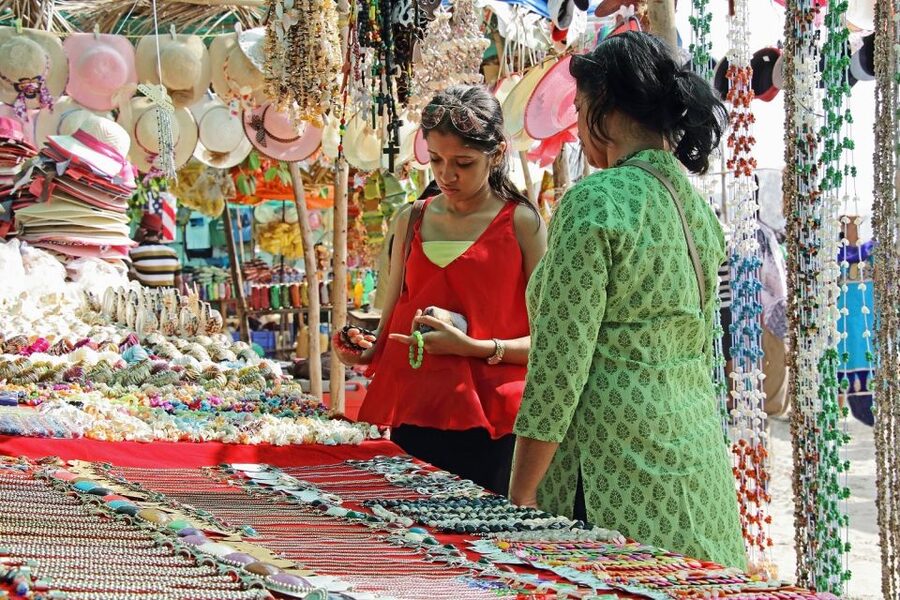
Zaveri Bazaar is the route’s most striking specialist market. It is described as Mumbai’s largest jewelry market, with gold ornaments, jewelry and glittering stones on show. Even if you are not shopping, it offers a concentrated look at a trade that can be easy to miss on a general city walk.
The value here is having someone guide you through the crowded lanes and explain the setting. The walk does not promise a buying appointment or a detailed lesson in jewelry, so approach it as a visual and cultural stop. If you do intend to make a purchase, take your time and treat the tour’s short schedule as separate from any serious shopping.
Kalbadevi, Chor Bazaar and Mangaldas Market
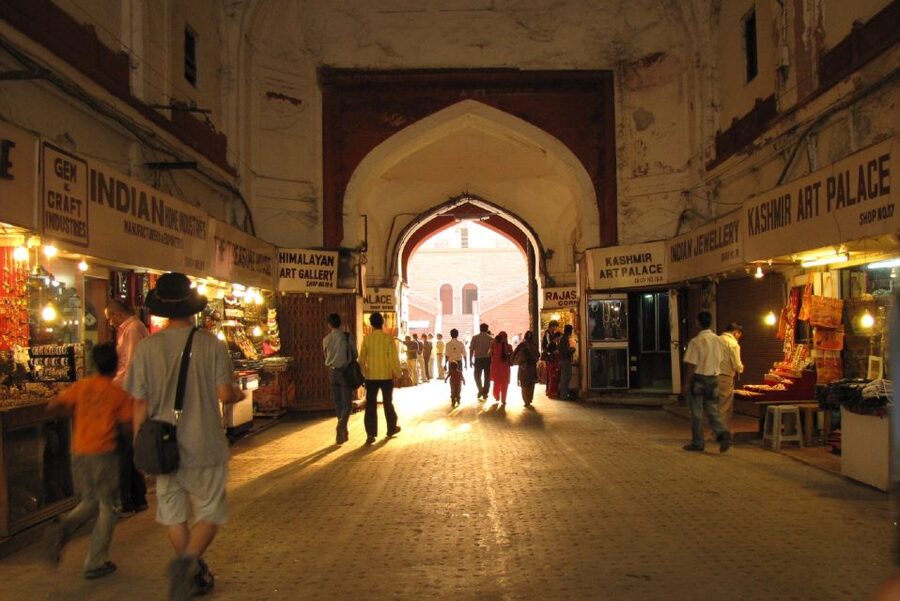
The route passes through Kalbadevi, with scenic views along the way, before reaching Chor Bazaar. Chor Bazaar is known for antiques and furniture. It may appeal most if you enjoy browsing objects and wondering about their past, but the tour does not specify what pieces will be on view on a particular day.
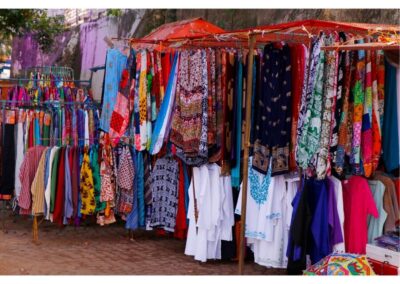
Mangaldas Market, which opened in 1893, is known for silk and cloth. Together, these stops show how different kinds of trade gather in distinct pockets of the city. You move from jewelry to antiques and furniture, then to textiles, without needing to plan the connections yourself.
The guide’s local tips can be especially useful here. If there is a particular type of market you care about, say so early. One account of the tour described a change in the planned stops and an unwanted suggestion to visit a shop, while other outings have focused on explaining the markets and local sights. That makes clear communication worthwhile: tell your guide what you want to see, and whether you want shopping suggestions or simply a walk and explanation.
Crawford Market: food stalls under ornate stonework
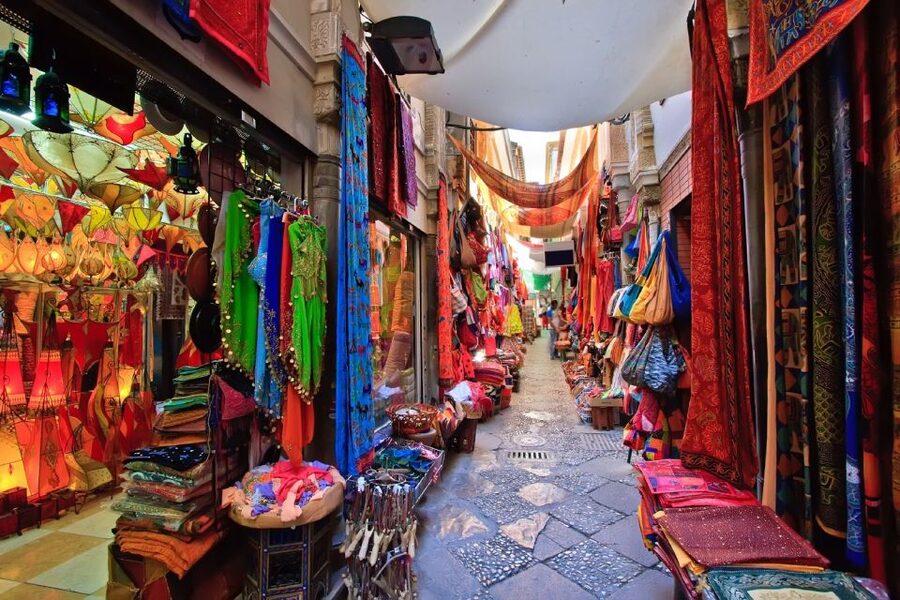
Crawford Market is the final major market named on the route. Its Gothic and Romanesque architectural style gives the stop a different character from the narrower lanes. Inside, you may see fruits and vegetables alongside imported cheese and homemade chocolate.
It is a good closing point for the tour because it brings together architecture and food shopping. But the market is large enough to invite a longer visit than the schedule allows. If you want to browse carefully or buy food, plan to return on your own rather than expecting a full shopping session during the guided walk.
The listed route ends at Shri Mumbadevi Temple, even though Crawford Market is described as the last market stop. Confirm the exact endpoint and order when you meet. This small check matters if you have a driver waiting or need to make onward plans.
What the guide adds
The guide is the key to making this walk more than a fast succession of market names. The tour includes an English- and Hindi-speaking guide, access to local lanes and markets, and personalized recommendations. Recent tour accounts name Nisar, whose explanations of market stops and local landmarks have been a particular strength. He has also been described as attentive, including waiting until a guest’s driver arrived.
The masala chai is another small but memorable detail. It is served in a clay cup, adding a local pause to a walk that otherwise keeps moving. The information does not specify exactly where or when the tea stop happens, so treat it as part of the tour rather than a guaranteed long break.
Because this is a private group, you can ask questions and make your preferences clear. The group size is not specified, so do not assume a particular number of people beyond the private format. A good opening question is which stops the guide expects to include that day, especially if you have already visited Crawford Market or have a strong interest in temples or textiles.
Is two hours enough?
Two hours is enough for an orientation, especially if you want to see how the market districts fit together and hear context as you go. It is not enough to explore every market in depth. The itinerary assigns short walks and visits throughout, and the listed route covers many places in a compact period.
I would treat it as a guided introduction, then decide which market deserves a return visit. This works well if you are new to the area or prefer not to navigate the lanes alone. It may frustrate you if your main goal is unhurried shopping, close examination of antiques or a long temple visit.
Wear comfortable shoes. This is a walking tour, and it operates rain or shine. Markets can be especially crowded during festivals, so expect the pace and ease of movement to depend on the day. Sunglasses, a hat and sunscreen are sensible in the sun; carry water, since a bottle is not included.
Large bags and luggage are not allowed. The tour is not suitable for wheelchair users or pregnant women, according to the activity information. Hotel pickup and drop-off are not included, so you will need to reach the Café Coffee Day meeting point yourself.
Is $18 a fair price?
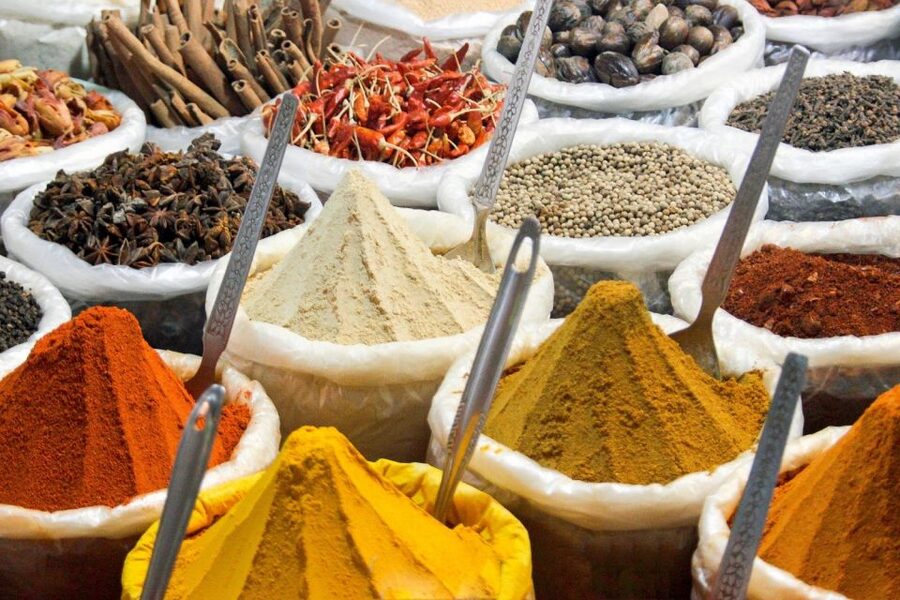
At $18 per person, the value comes from the guide, the route through several distinct market areas and the local context that can be hard to get from wandering alone. The tour also includes recommendations and access to hidden lanes. Since the format is private, the guide can respond to your questions and preferences rather than delivering a fixed group lecture.
The price does not include water, personal spending or transport to and from the meeting point. If you plan to shop, bring some cash, since some stores do not accept other forms of payment. The low price makes the walk an appealing introduction, but the brief duration is a real limit: you are paying for a guided overview, not an extended market excursion.
The overall score is 4.5 from 23 ratings. Most of the strongest praise centers on guides who explain the city and markets clearly, show places that are easy to miss, and make people feel looked after. There has also been a serious complaint that the experience did not match the planned temples and markets, and one tour included shopping pressure after the group had said they did not want to buy. Those differences make it sensible to confirm the route and set boundaries before you start.
Who should book this market walk?
Book it if you want a quick, guided introduction to Mumbai’s old market quarter and are curious about the everyday mix of food, fabric, jewelry, antiques and worship. It is also a good fit if you enjoy walking with a local guide and want practical recommendations for exploring further.
Think twice if you need a slower pace, have limited mobility, are pregnant, or want an uninterrupted shopping trip. If you have already seen one of the major markets, mention that before the walk and ask what can be substituted. I would book for the street-level context and variety, while keeping expectations clear: two hours can introduce these neighborhoods, but it cannot do them all justice.
FAQ
How long is the tour?
The walking tour lasts two hours.
How much does it cost?
The listed price is $18 per person.
What languages does the guide speak?
The live guide speaks English and Hindi.
Is this a private tour?
Yes. The activity is offered as a private group.
Where is the meeting point?
Meet at Café Coffee Day, VT Capital Cinema Building, Noor Fort, Mumbai.
Is hotel pickup included?
No. Hotel pickup and drop-off are not included.
What should I bring?
Wear comfortable shoes and bring sunglasses, a sun hat or hat, and sunscreen. Water is not included.
Can I bring luggage or a large bag?
No. Luggage and large bags are not allowed.
Does the tour run in the rain?
Yes. The tour operates rain or shine.
Can I cancel for a refund?
Yes. You can cancel up to 24 hours in advance for a full refund.
Just added around Mumbai
- Victorian Gothic Heritage Quarter and Art Deco Walking Tour★ 4.9 · 14 reviews
- Mumbai Airport to Mumbai Hotels : Private Transfers★ 5.0 · 13 reviews
- Private Walking Tour in Dharavi Slums★ 5.0 · 7 reviews
- Mumbai Sightseeing Tour★ 5.0 · 11 reviews
- Mumbai by Night Guided Tour★ 5.0 · 6 reviews
- Vegetarian Indian Cuisine Virtual Cooking Class Experience from Mumbai★ 5.0 · 4 reviews
- Private Mumbai 2-Day Tour Package:City + Slum & Elephanta Island.★ 5.0 · 3 reviews
- Taj Mahal Day Trip Including Same Day Flights from Mumbai★ 5.0 · 3 reviews
Mumbai Market Tours, compared.
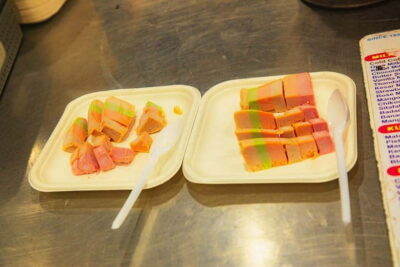

Mumbai Morning Market Tour of Flowers, Fish, and More
Read our review →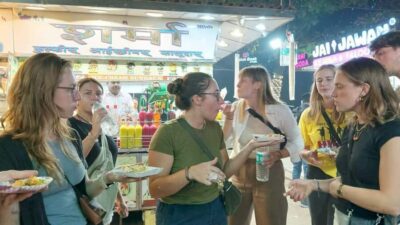
Mumbai Street Food Tour with Evening Bazaar Walk
Read our review →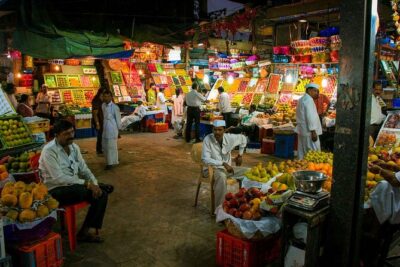

Mumbai Street Food & Bazaar Tour with Local Transport
Read our review →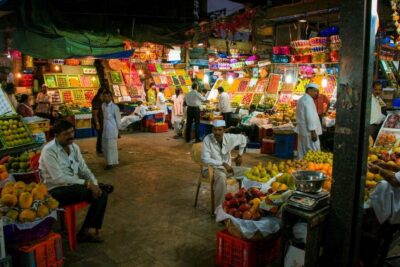
Vibrant Markets of Mumbai (2 Hours Guided Walking Tour)
Read our review →
Mumbai Spice Markets and Bazaars Tour with Guide and Transport
Read our review →Browse the lists this tour appears in