
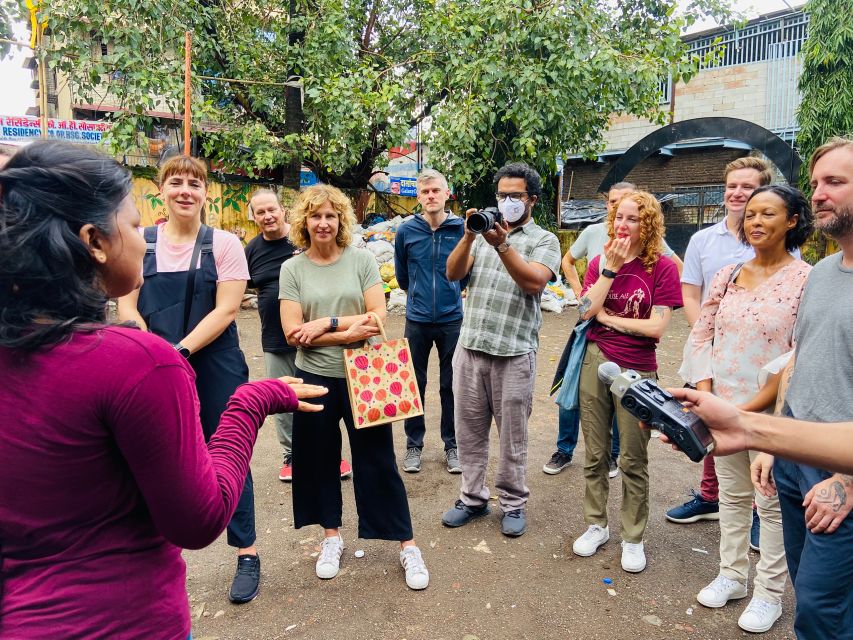
Reviewed · DHARAVI SLUM TOURS
Mumbai: Dharavi Slum Walking Tour by First Female Tour Guide
Dharavi is more than a place to look at from the edge of a car window. On this 2.5-hour walk, a local woman guide leads you through recycling and manufacturing areas, markets, and residential lanes, explaining how work and daily life fit together in a densely populated part of Mumbai.
I like two things in particular: you get to see the small industries up close, from plastic and paper recycling to pottery and leather work, and your guide brings a local perspective that a map or a quick drive cannot provide. Guides named Anu, Sneha, Pooja, Varsha, and Anushka have led tours here.
One consideration: this is a walk through a working residential area, not a staged attraction. You’ll need to be comfortable moving through busy, narrow streets and seeing everyday life at close range. At $5 per person, it is an unusually affordable way to learn about a part of Mumbai many visitors otherwise miss.
What makes this tour worth considering
- Recycling and production: See how people work with plastic, paper, aluminium, leather, cloth, soap, and pottery.
- Homes alongside workplaces: The walk covers commercial and residential areas, offering a fuller picture than a factory-focused visit.
- A guide from the area: Guides including Sneha, Pooja, and Varsha are described as residents with first-hand knowledge of Dharavi.
- A useful first-day outing: The two-and-a-half-hour route can help you understand Mumbai beyond its best-known sights.
- A low price: At $5 per person, the tour costs little while giving you a guided introduction to a complex part of the city.
- Small-group option: You can ask about booking a private group if you would prefer a tour just for your party.
Dharavi is a place of work as well as home
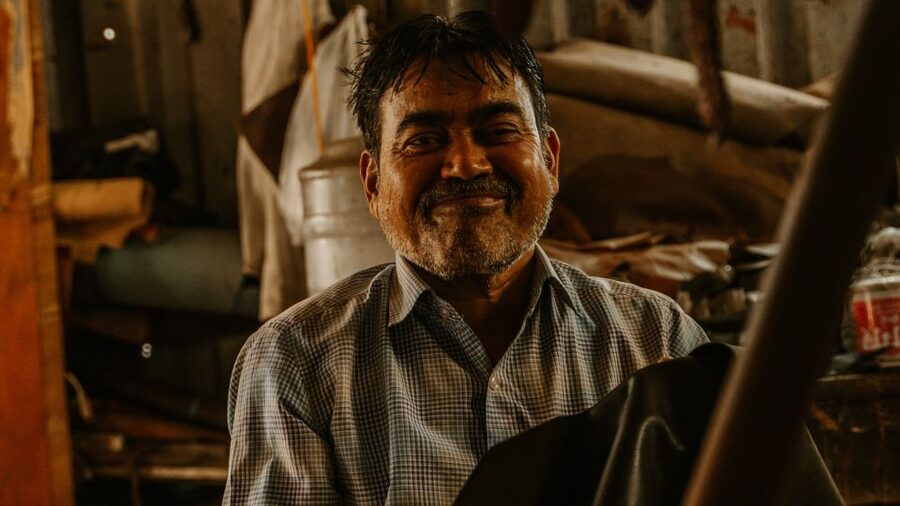
The phrase slum tour can set up the wrong expectation. This is not simply a walk past poor housing, and it is not a safari through someone else’s hardship. Dharavi is also a place where people run workshops, make goods, sort materials, study, shop, and go about their daily business.
That distinction matters. A good guide can help you see how work and home life connect, and how residents shape a community that outsiders may know only by a label. The route is designed to show several sides of Dharavi, not just its industrial activity or its living conditions.
Expect a close-up look at a busy, lived-in place, with the ordinary sounds and movement of a working neighborhood. The experience may challenge what you assume the word slum means, but it should not be treated as a spectacle. Go to listen and learn, and give residents the same courtesy you would want in your own neighborhood.
More Dharavi tours around Mumbai:
- Dharavi slum tour in Mumbai by Female tour guides of the slum
★ 5.0 · 1,976 reviews - Mumbai: Dharavi Slum, DhobiGhat, and Dabbawallas Tour
★ 4.9 · 689 reviews - Dharavi Slum Tour
★ 5.0 · 625 reviews
Starting outside Third Wave Coffee
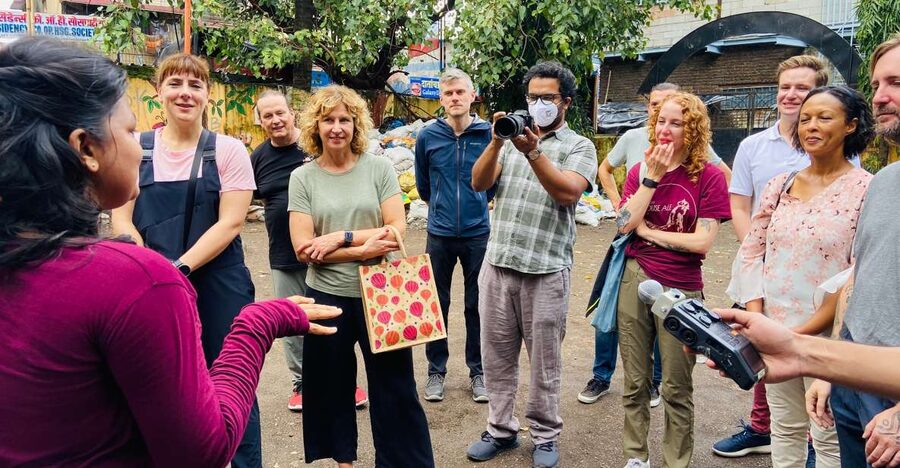
The meeting point is outside Third Wave Coffee, where your guide meets you before the walk. The route begins and ends there, making it a straightforward starting point for a half-day outing. The coffee shop also gives you a clear landmark to look for; arrive with enough time to find your guide before the scheduled start.
The tour information does not specify how you should reach the meeting point, so check your route in advance. One past visitor recommends allowing extra time if you are coming by car because Mumbai traffic can be heavy. The same person noted that the meeting point is near a railway station, so public transport may be worth considering.
Once the walk begins, the guide leads you into Dharavi rather than leaving you to find your way through its streets alone. That matters here: the area is large, and the route includes places you are unlikely to identify or understand by following a map on your own.
Recycling, factories, and the value of seeing how things are made
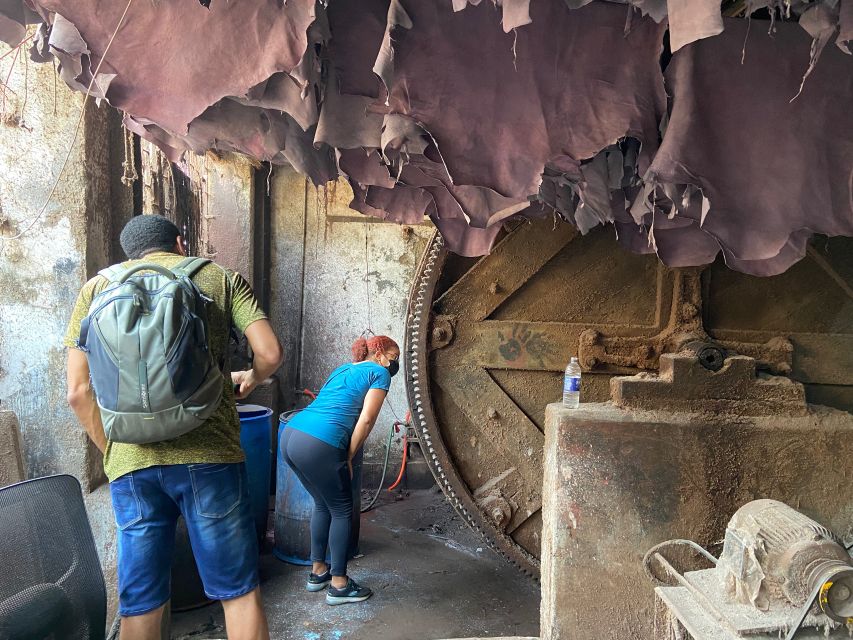
The industrial side of the walk is one of its most distinctive features. The route may include plastic, paper, and aluminium recycling, alongside soap making, cloth production, leather work, and pottery. The tour also covers markets and other commercial areas, giving you a sense of the activity that supports local livelihoods.
Seeing these processes in their setting can change the way you think about waste and small-scale production. Instead of hearing only a general explanation, you can watch work taking place and ask your guide how it fits into life in Dharavi. The exact places and sequence can vary, but the range of trades is unusually broad for a short walking tour.
Past participants have found the recycling and manufacturing stops especially eye-opening. One described seeing how discarded materials can be put to use; another valued learning about manufacturing alongside food, education, and daily life. The point is not to reduce Dharavi to its workshops, but they make a clear, tangible starting point for understanding the local economy.
These are active work areas, not exhibits built for visitors. That can make the visit feel more immediate, but it also calls for care. Follow your guide’s lead, keep the group together, and ask before taking photographs of people or their work.
From commercial lanes to residential life
The tour also enters residential areas and may pass schools, colleges, and local markets. These stops help balance the workshop visits. You see not only where people work, but also the neighborhood services and routines that make up everyday life.
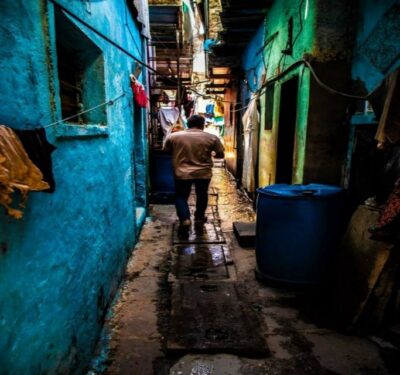
A residential lane can be narrow and busy, and the homes and streets are part of the community, not scenery arranged for a tour. Your guide’s role is important here: she can explain what you are seeing and help you move through respectfully. If something raises a question, ask rather than guessing from appearances.
The guided walk is especially useful because a place can look very different from the outside than it feels to someone who lives there. Guides such as Sneha and Varsha have been described as Dharavi residents, while other named guides, including Pooja and Anu, have also led tours. The company describes the experience as led by the first female tour guide of Dharavi, but the individual guide assigned to your visit may vary.
Schools and colleges may be part of the route, but this is not a school visit or a promise of access to every site. Think of these places as part of the wider picture your guide explains, rather than a fixed checklist of rooms you will enter.
More walking tours around Mumbai:
- Group Guided Walking Tour in Fort and Colaba
★ 5.0 · 1,073 reviews - Private Guided Walking Tour in Fort & Colaba
★ 5.0 · 895 reviews - Private Guided Walking Tour in Bandra Queen of Suburbs
★ 5.0 · 383 reviews - Private Guided Spiritual Walk in Banganga Hindu Temples
★ 5.0 · 271 reviews
Why the guide makes the difference
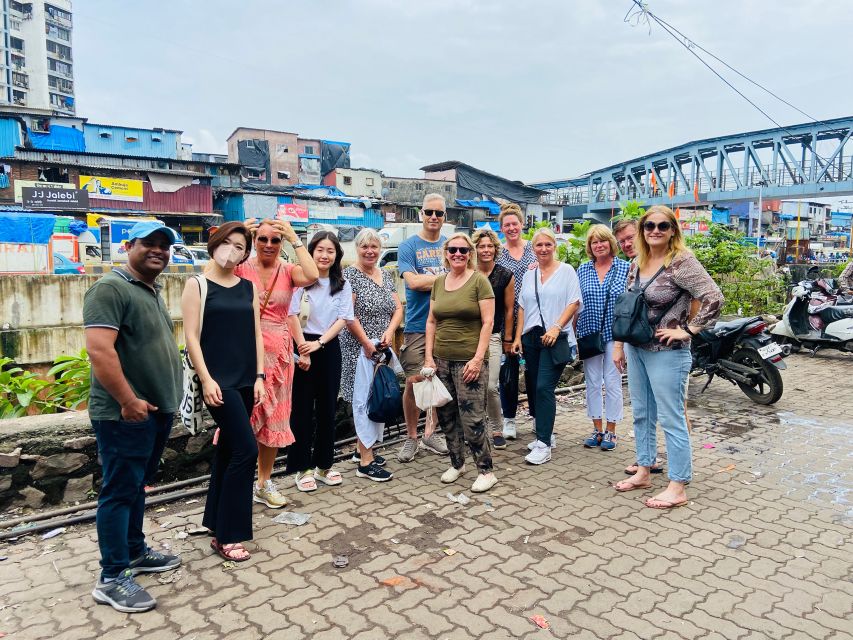
Dharavi is not a place where simply walking around will tell you what you need to know. A guide helps connect what you see with the work, education, and daily routines behind it. The experience depends less on a grand monument than on the person explaining the streets and answering your questions.
The guide names most often associated with the tour include Anu, Sneha, Pooja, Varsha, and Anushka. Guests have praised their clear English, patience, humor, and ability to keep a group together. Some have particularly valued hearing from a guide who lives in the area and can speak from direct experience.
That local connection is more than a selling point. It gives the tour a point of view that a visitor cannot supply alone. A guide can explain the community in her own terms, correct assumptions, and help you notice details you might otherwise pass by. You should still keep an open mind: one guide’s account is a personal perspective, not a complete history of every resident’s experience.
This is also a good setting for thoughtful questions. Ask about the trades you see, how the area works, or what daily life is like. Avoid treating residents as interview subjects, and let your guide set the tone for when conversation or photography is appropriate.
A thoughtful way to visit, with a few limits
The tour is presented as an ethical and impactful experience, and its local-led format is a meaningful starting point. You are paying for a guided walk and local interpretation, rather than trying to find your own way into a residential area. Still, a responsible visit depends on your own conduct, too: be attentive, follow instructions, and remember that people you pass are going about their day.
There is no claim that the tour includes a charitable donation or a specific community project, so do not book expecting one. Its value is the chance to learn directly from a local guide and see the range of activity in Dharavi. If you want to support the people and businesses you encounter, ask your guide whether there are appropriate ways to do so.
The format has limits. It is a 2.5-hour walking tour, so it offers an introduction rather than a full account of Dharavi. The available details do not list a fixed stop-by-stop schedule, and the precise route may change. If you need a particular focus, such as education or recycling, ask before booking whether that is likely to be covered.
What $5 buys you
At $5 per person, the price is modest for a two-and-a-half-hour guided experience. It includes the walking tour, an English-speaking guide, and bottled mineral water. You are paying for someone to lead you through an area you might struggle to navigate alone, explain what you are seeing, and answer questions along the way.
The low cost should not be mistaken for a polished, indoor attraction. The appeal is access to a real neighborhood and a local guide’s perspective, not comfort or spectacle. If you prefer air-conditioned transport, fixed displays, or a carefully controlled visitor setting, this walk may not suit you.
A private group is available, though the details of how that affects the price are not provided. The tour also offers reserve-now, pay-later booking and free cancellation up to 24 hours ahead. Check the available start times when you book, since the schedule is not specified here.
Who should take this walk
I would put this tour near the top of the list for a first day in Mumbai if you want context, not just landmarks. It gives you a broad introduction to Dharavi’s work and residential areas in one manageable outing. The mix of workshops, markets, and homes makes it more revealing than a brief drive past the neighborhood.
It can suit curious adults, families, and visitors who are comfortable asking questions and listening. A family with teenagers has found the experience worthwhile, but every child is different; think about whether your family is ready for a close look at a working residential area.
This is not the best choice if you want a passive sightseeing stop or are uneasy walking through crowded, active streets. It is also not a substitute for a longer study of Mumbai’s housing, labor, or urban development. Treat it as a guided introduction, and you are more likely to leave with useful context rather than a set of easy conclusions.
Should you book the Dharavi walk?
Book it if you want to understand more than Mumbai’s famous monuments and are willing to meet Dharavi as a living community. The low price, local women guides, and range of work and residential stops make this a strong-value introduction. If you can, go early in your stay, when the guide’s explanations may help you make sense of the city around you.
Skip it if you are mainly looking for dramatic photographs, a comfortable ride, or a tightly scripted attraction. This walk asks for curiosity and respect. If that sounds right for you, meet your guide outside Third Wave Coffee, keep an open mind, and let the people and places you encounter complicate your assumptions.
FAQ
How long is the Dharavi walking tour?
The tour lasts about two and a half hours. It is a walking experience through Dharavi.
How much does the tour cost?
The listed price is $5 per person.
Where does the tour start and finish?
It starts outside Third Wave Coffee and returns to the same meeting point.
What language is the tour conducted in?
The live tour guide speaks English.
What is included in the price?
The tour includes a guide, the walking tour, and bottled mineral water.
What kinds of places might I see?
The route may include recycling and manufacturing areas, pottery, schools, colleges, markets, commercial spaces, and residential areas.
Can I book a private tour?
Private groups are available. The provided details do not state how the price changes for a private booking.
Can I cancel after booking?
You can cancel up to 24 hours in advance for a full refund.
Just added around Mumbai
- Victorian Gothic Heritage Quarter and Art Deco Walking Tour★ 4.9 · 14 reviews
- Mumbai Airport to Mumbai Hotels : Private Transfers★ 5.0 · 13 reviews
- Mumbai Sightseeing Tour★ 5.0 · 11 reviews
- Private Walking Tour in Dharavi Slums★ 5.0 · 7 reviews
- Mumbai by Night Guided Tour★ 5.0 · 6 reviews
- Vegetarian Indian Cuisine Virtual Cooking Class Experience from Mumbai★ 5.0 · 4 reviews
- Private Mumbai 2-Day Tour Package:City + Slum & Elephanta Island.★ 5.0 · 3 reviews
- Taj Mahal Day Trip Including Same Day Flights from Mumbai★ 5.0 · 3 reviews
Dharavi Slum Tours, compared.
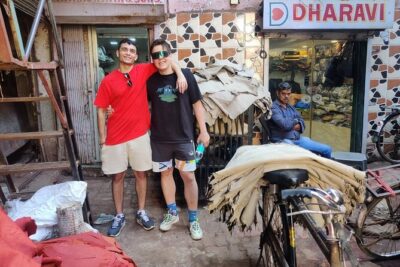
Dharavi slum tour in Mumbai by Female tour guides of the slum
Read our review →
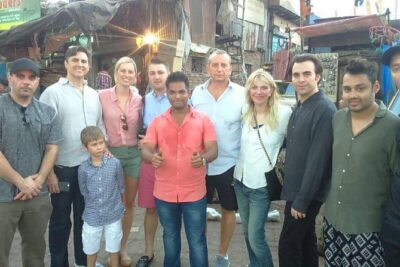

Dharavi Slum Slumdog Millionaire Tour with a Local
Read our review →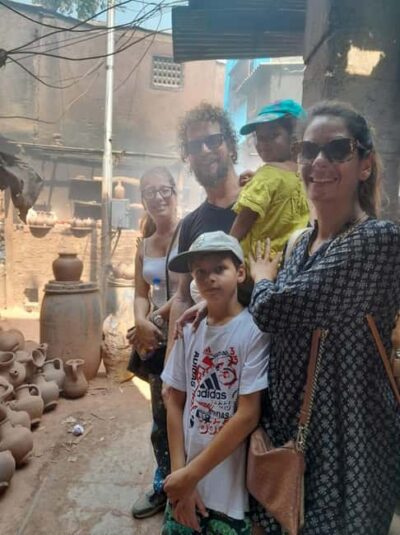
Mumbai Slum Tour – Visit Dharavi Slum with Local Guide
Read our review →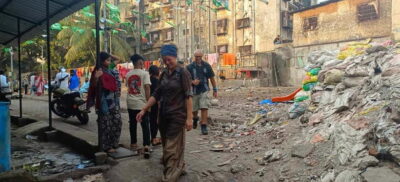
Dhobi Ghat Laundry and Dharavi Slum Tour with Local
Read our review →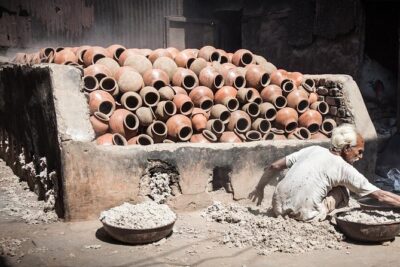
Browse the lists this tour appears in