
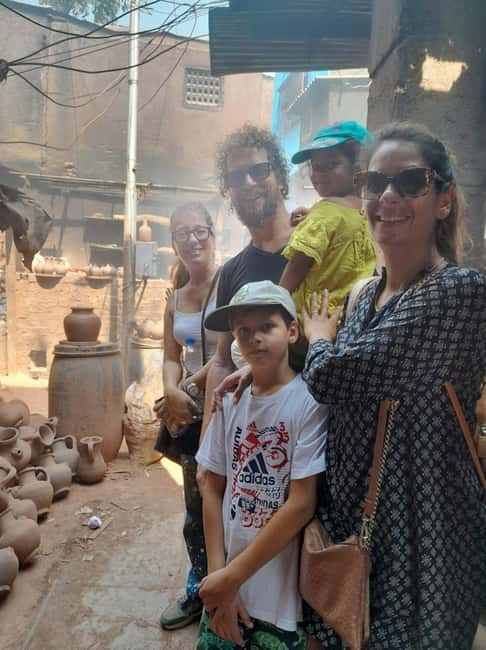
Reviewed · DHARAVI SLUM TOURS
Mumbai Slum Tour – Visit Dharavi Slum with Local Guide
Dharavi is not simply a place to look at from a distance. It is a working neighborhood, with recycling yards, leather and garment workshops, pottery, shops and homes packed into a maze of narrow lanes. The tour’s account puts its small-business economy at more than $1 billion a year, a figure that helps explain why this is as much a visit to Mumbai’s industrial heart as to its residential life.
I like two things in particular: the route takes you beyond the familiar picture of a slum, and the guide is a local who can explain the area through daily experience. You can see how different parts of community life and work fit together, while guides such as Priscilla, Shivam, Siddesh and Balaji bring their own stories and knowledge to the walk.
The main consideration is that this is a visit to a lived-in neighborhood, not a staged attraction. The lanes can be crowded, restroom access may be limited, and the subject can be emotionally demanding. Go with curiosity and respect, and be ready to listen as much as you look.
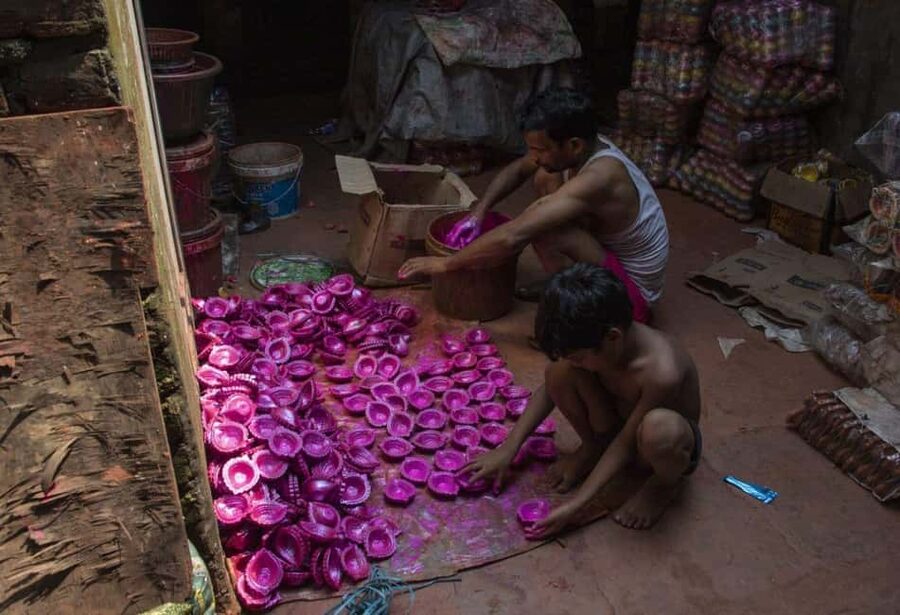
- Workshops are part of the story: See recycling, leather, garment and pottery work alongside the residential area.
- Local guides lead the way: Guides who live in Dharavi can add personal context to what you see.
- A two-hour walk forms the core: The full outing lasts 2 to 3.5 hours, depending on the option and pickup.
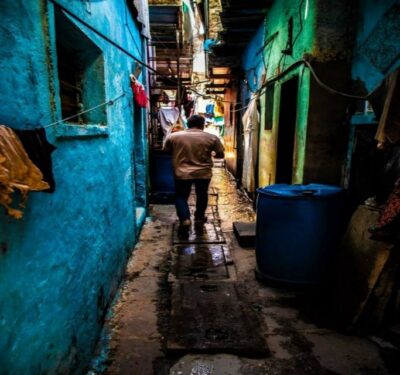
- Expect a close-up view: Narrow lanes, markets, schools and small homes make this a very different kind of Mumbai walk.
- Dress for a modest, practical visit: Wear comfortable shoes and weather-appropriate clothing, and leave professional cameras at home.
Dharavi is a working neighborhood, not a single story

The word slum can make a place sound uniform, as if hardship were the only thing worth noticing. This walk complicates that view. Dharavi is home to families from many parts of India, with different languages and backgrounds, and it is also a place of small enterprises, local services and everyday routines.
That does not mean the tour turns difficult living conditions into a cheerful story. The point is to see more than one side at once. You may pass a school, a market, a home and a workshop in a short stretch of lane. The proximity is striking: work and home life often occupy the same dense urban fabric.
The local economy is a central theme. The tour describes Dharavi as generating more than $1 billion annually through its many small businesses. Treat that as context for the scale of activity rather than as a figure you will be able to verify during a walk. What you can see directly is how much work happens in a compact area, and how residents make use of limited space.
I find that emphasis valuable because it shifts the visit away from gawking at poverty. You are not just being shown a set of cramped houses. You are being introduced to a neighborhood that works, adapts and supports a wide range of livelihoods, even as it faces real challenges.
Following the lanes from workshops to homes
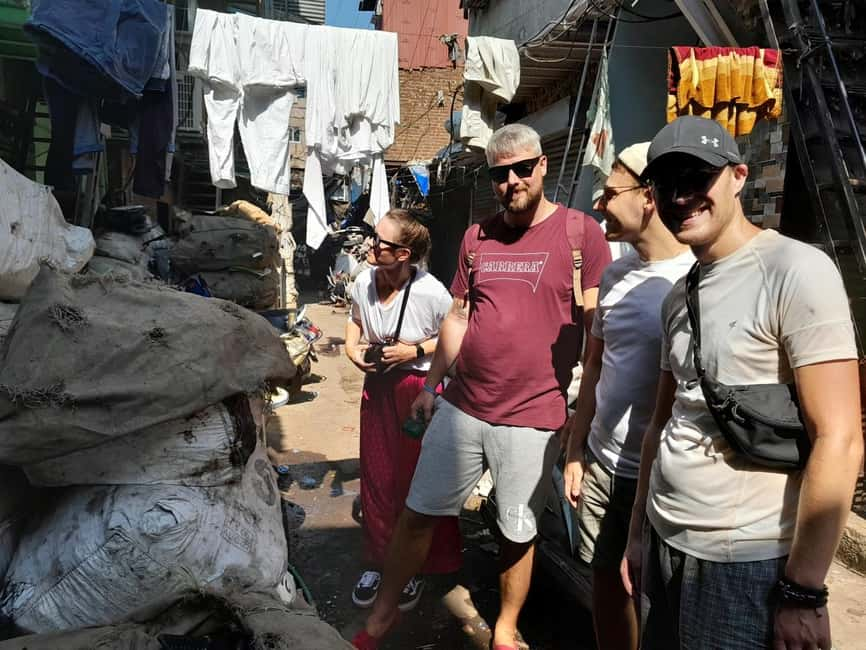
The main guided walk through Dharavi lasts about two hours. The route is described as taking in industrial and residential areas, a local market, schools and pottery, with recycling, leather and garment work among the industries you may see. The exact sequence can vary, but the mix is what makes the walk useful: you get a sense of how the area functions rather than seeing one isolated corner.
The industrial sections are likely to be among the most memorable. Recycling and small-scale manufacturing show how much activity can fit into a tight urban space. A leather factory or garment workshop offers a practical view of local work, while pottery adds a different craft tradition to the picture. You are there to observe, not to treat workplaces as photo sets, so follow your guide’s lead about where to stand and what is appropriate.
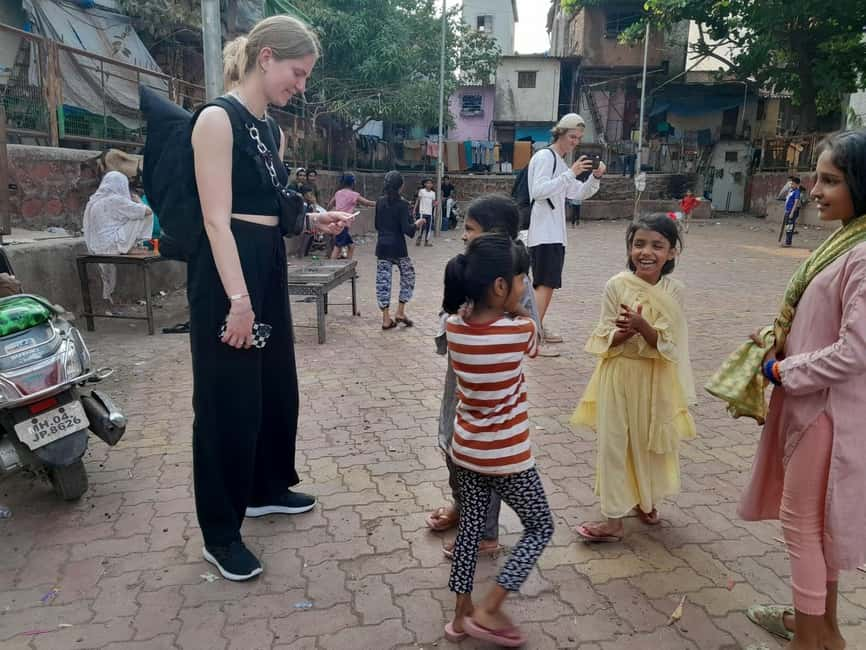
In the residential lanes, the pace and focus change. The narrow passageways and small homes make the density of daily life plain. Your guide can explain how housing, work and family routines overlap, and answer questions about income, education and the area’s development. The most useful questions are open ones: ask how a particular business operates or how a school serves local children, rather than treating one person’s experience as a rule for everyone.
The market adds another layer. It is part of ordinary neighborhood life, not a display arranged for visitors. That distinction matters. You are passing through a place where people are shopping, working and going about their day, so keep moving when needed and avoid blocking a lane.
Schools are also included as a point of interest. Their presence helps show that Dharavi is not only a place of work and housing, but a community with everyday institutions. The tour does not promise a classroom visit or a chance to enter every site, so think of this as an introduction to the role of education in the neighborhood, not a formal school tour.
More Dharavi tours around Mumbai:
- Dharavi slum tour in Mumbai by Female tour guides of the slum
★ 5.0 · 1,976 reviews - Mumbai: Dharavi Slum, DhobiGhat, and Dabbawallas Tour
★ 4.9 · 689 reviews - Dharavi Slum Tour
★ 5.0 · 625 reviews
Why a local guide changes the visit
The strongest reason to book this walk is the guide. A map can take you into Dharavi, but it cannot explain what you are seeing or help you move through the area with the right amount of care. A guide who lives locally can give context that is difficult to get from a passing glance, and can help you understand the difference between a workshop, a home and a shared community space.
Guides named by visitors include Priscilla, Shivam, Siddesh, Balaji, Sufiyan, Sajid and Siddhu. Names and guide assignments are not guaranteed when you book, but the feedback on the guiding is notably consistent: visitors value clear English, patient answers and explanations that make the industrial and residential areas easier to understand. Several guides have also shared personal experience, which can add human detail without turning one person’s life into a complete portrait of Dharavi.
Good questions make a difference here. Ask about the history of the neighborhood, the way local businesses operate, daily life, education or redevelopment plans if those subjects come up. The guides have been praised for answering questions about housing and income in clear terms, but no short visit can cover every issue or represent every resident’s view.
This is also why the tour can feel more personal than an independent walk. You are not just looking for your next turn in a maze of lanes. Your guide helps set the pace, keep the group together and explain what is appropriate as you pass through busy work and home areas.
Time, meeting points and the walk’s pace
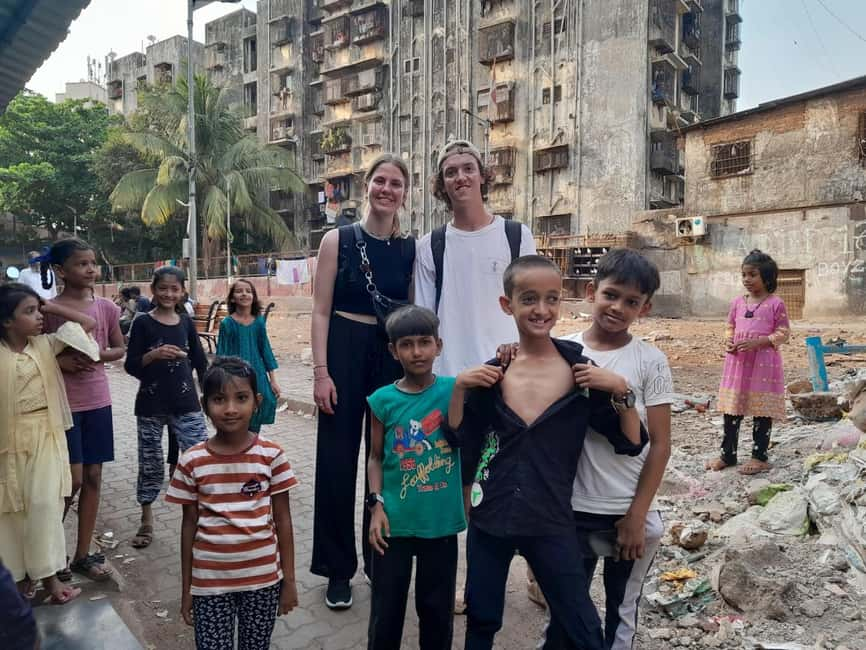
The advertised duration is 2 to 3.5 hours, with about two hours spent on the guided walk in Dharavi. The total time depends on the option you choose and whether pickup is included. Check the starting time and meeting point for your particular booking, since both may vary.
If you book pickup, wait at your hotel’s main entrance or lobby. The driver is expected to call or message on arrival, usually around ten minutes before pickup, and will take you to the meeting point where the guide begins the walk. If you do not select pickup, confirm the meeting details rather than assuming every option starts at the same place.
The listed drop-off points include Matunga Road Railway Station and Matunga Central Railway Workshop, with Hanuman Nagar also named among the locations. Since the exact end point depends on the option, check yours in advance if you have a train, another tour or a meal planned immediately afterward.
A private or small-group option is available. A smaller group can make it easier to hear the guide and ask questions in narrow lanes. If you prefer a more personal conversation, that option may suit you; if you are comfortable sharing the walk, a small group can be a good way to keep costs low.
Dressing respectfully and staying comfortable
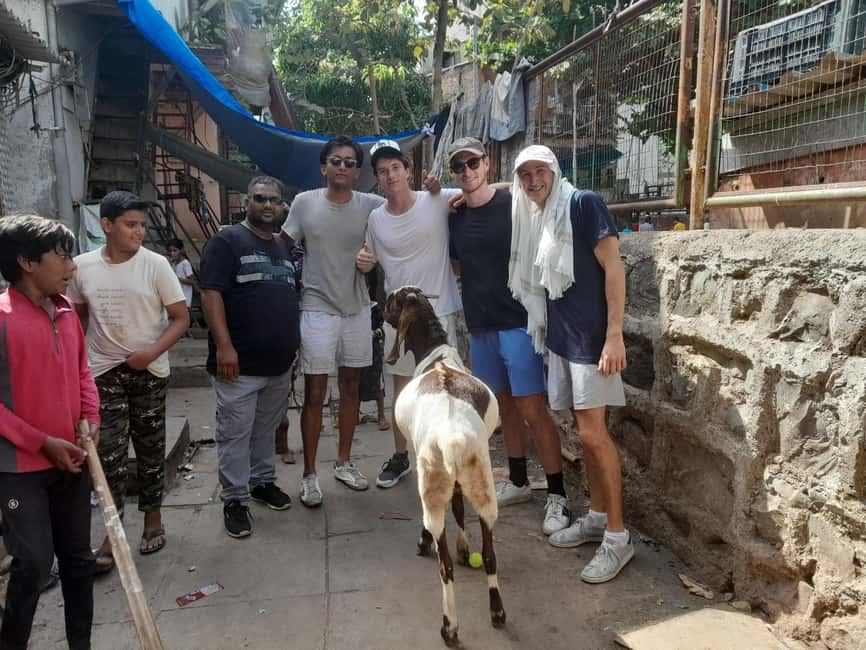
Wear comfortable shoes. The route is a walking tour through narrow lanes, so shoes that stay secure on your feet matter more than a polished look. Bring a sun hat, sunscreen, water and clothing suited to the weather. Bottled water is included, but carrying water is still sensible, especially if you are visiting in warm conditions.
Dress modestly. Short skirts and sleeveless shirts are not allowed, and that rule is worth taking seriously as a sign of respect for the community as well as a practical requirement. Professional cameras and flash photography are also prohibited. Do not assume that a phone camera makes every scene suitable to photograph; ask your guide before taking pictures, especially near homes, schools or people at work.
Restroom facilities may be limited along the route, so plan ahead. Keep valuables secure in crowded areas and be mindful of your belongings. The tour is not suitable for wheelchair users or people with visual impairments, which is important to know before booking.
More guided departures around Mumbai:
- Elephanta Caves & Island Guided Private Tour
★ 5.0 · 1,327 reviews - Group Guided Walking Tour in Fort and Colaba
★ 5.0 · 1,073 reviews - Mumbai: Elephanta Caves Half-Day Guided Tour with Expert
★ 4.8 · 1,032 reviews - Private Guided Walking Tour in Fort & Colaba
★ 5.0 · 895 reviews
What $5 buys, and what it does not
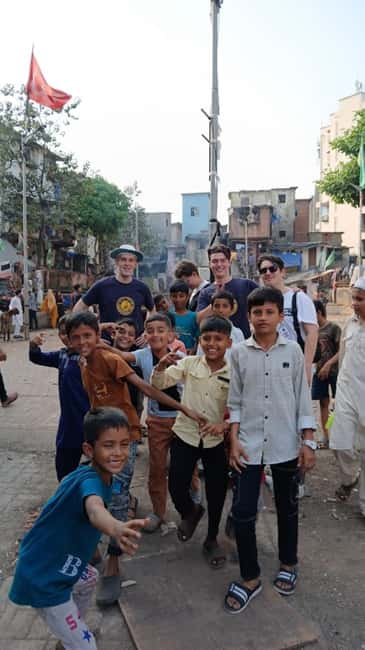
At $5 per person, the price is low for a guided experience of this length. The value lies less in a long list of included extras and more in access to a local guide who can explain the neighborhood while you walk. A guide and bottled water are included; snacks are not.
A low price should not be confused with a lightweight experience. The walk covers work, housing, education and community life, and the personal stories can stay with you well after the visit. That makes it a strong use of a small part of your Mumbai budget if you want a more grounded understanding of the city.
There are trade-offs. You should not expect a comfortable visitor center, frequent restroom stops or a polished attraction route. This is a working neighborhood, and the value depends on your interest in listening, observing and asking thoughtful questions. If you want a quick photo stop or an easy, climate-controlled outing, this is not the right choice.
The booking terms also offer useful flexibility: you can reserve without paying immediately and cancel up to 24 hours in advance for a full refund. Check the available times for your date, since the tour runs at set starting times.
Is this Dharavi walk right for you?
Book it if you want to understand Mumbai through its people, livelihoods and everyday spaces, not only through its landmark sights. It is especially suited to curious visitors who are comfortable walking through crowded lanes and who want a guide to help interpret what they see. The local perspective, range of stops and chance to ask questions make the two-hour core walk worthwhile.
Think twice if you are uncomfortable visiting a residential area, need step-free access, or want a very light sightseeing experience. Dharavi is not a backdrop. Approach it with care, follow the guide’s instructions and give residents room to carry on with their day. If that sounds right for you, this is a low-cost, high-context way to spend part of a Mumbai visit.
FAQ
How long does the tour take?
The full experience lasts 2 to 3.5 hours. The guided walk in Dharavi is about two hours.
What will I see in Dharavi?
The walk may include narrow residential lanes, small homes, a local market, schools, recycling work, leather and garment industries, and pottery.
Is a guide included?
Yes. A live English-speaking guide is included. The tour is available as a private or small-group experience.
Is hotel pickup available?
Pickup is optional and depends on the option booked. If included, wait at the main hotel entrance or lobby.
What should I bring?
Wear comfortable shoes and bring a sun hat, sunscreen, water and clothing suited to the weather. Bottled water is included, but snacks are not.
Are there any restrictions or access concerns?
Short skirts, sleeveless shirts, professional cameras and flash photography are not allowed. Restroom facilities may be limited, and the tour is not suitable for wheelchair users or people with visual impairments.
Just added around Mumbai
- Victorian Gothic Heritage Quarter and Art Deco Walking Tour★ 4.9 · 14 reviews
- Mumbai Airport to Mumbai Hotels : Private Transfers★ 5.0 · 13 reviews
- Private Walking Tour in Dharavi Slums★ 5.0 · 7 reviews
- Mumbai Sightseeing Tour★ 5.0 · 11 reviews
- Mumbai by Night Guided Tour★ 5.0 · 6 reviews
- Vegetarian Indian Cuisine Virtual Cooking Class Experience from Mumbai★ 5.0 · 4 reviews
- Private Mumbai 2-Day Tour Package:City + Slum & Elephanta Island.★ 5.0 · 3 reviews
- Taj Mahal Day Trip Including Same Day Flights from Mumbai★ 5.0 · 3 reviews
Dharavi Slum Tours, compared.
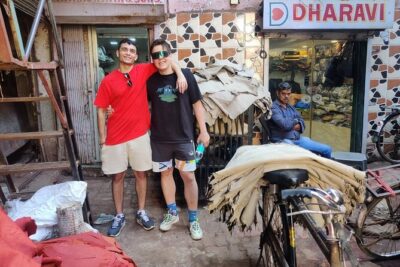
Dharavi slum tour in Mumbai by Female tour guides of the slum
Read our review →

Dharavi Slum Slumdog Millionaire Tour with a Local
Read our review →
Dhobi Ghat Laundry and Dharavi Slum Tour with Local
Read our review →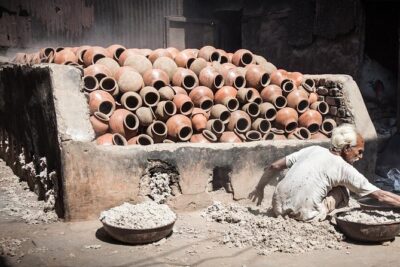

Private Full-Day Mumbai Sightseeing Tour with Dharavi Slums
Read our review →Browse the lists this tour appears in