
Reviewed · DHARAVI SLUM TOURS
Best of Dharavi Slum with Market Tour
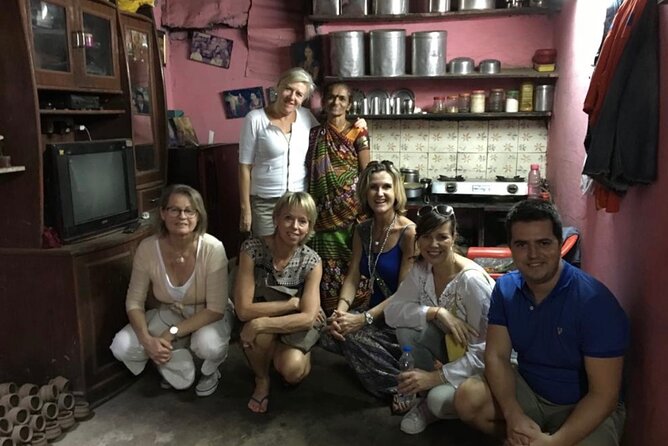
Dharavi is not a single story of hardship. It is also a place of work, trade, family life, and small businesses packed into Mumbai’s close-set streets. On this three-hour walk, you see that mix up close, from Dhobi Ghat’s outdoor laundry to workshops and market lanes.
I like two things in particular: the focus on local work, including pottery and recycling, and the chance to ask questions as you walk with a guide. Hakim is the guide named in accounts of the tour, and his explanations cover the area’s history and daily life. The main consideration is that this is a close, crowded urban walk, so you should be comfortable on your feet and ready to move through narrow lanes.
At a glance
- Three hours on foot: The tour is a compact way to see several sides of life in Dharavi and nearby areas.
- A look at work, not just streets: Stops include Dhobi Ghat, pottery, leather goods, recycling, and local markets.
- A guide who adds context: Hakim is described as calm, informative, and open to questions.
- Small group size: The tour has a maximum of 15 people, which can make it easier to hear and ask questions.
- A respectful approach matters: The visit is about seeing a working community, not treating people’s homes as a spectacle.
- Price and flexibility: It costs $39.72 per person, pickup is offered, and free cancellation is available up to 24 hours ahead.
A Walk Through Work and Daily Life
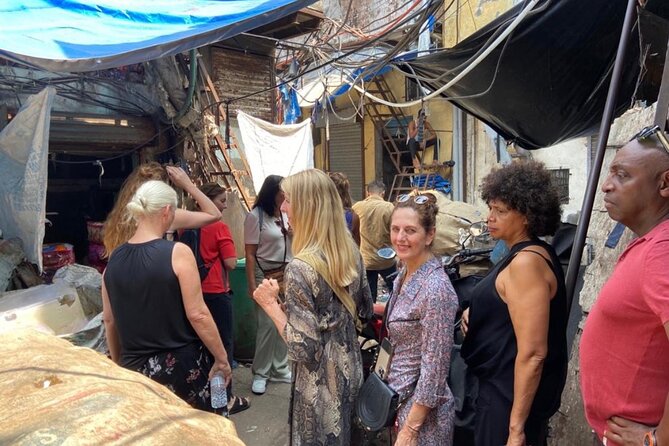
This tour works best when you approach it as a guided walk through a neighborhood where people live and earn a living. The point is not to tick off a single landmark. It is to understand how households, workshops, markets, and street activity fit together in a dense part of Mumbai.
That distinction matters. You will be walking through real residential and working areas, rather than a purpose-built attraction. A guide can help you notice what is happening and explain the trades around you, while you remain mindful that the lanes are part of people’s everyday lives.
The tour description highlights soap making, pottery, recycling, and street food. Its listed itinerary also includes leather work, Dhobi Ghat, market stops, and time to learn about local communities. The exact workshop activity you see may depend on what is operating during your visit, but the theme is clear: this is a close look at practical, small-scale enterprise.
More Dharavi tours around Mumbai:
- Dharavi slum tour in Mumbai by Female tour guides of the slum
★ 5.0 · 1,976 reviews - Mumbai: Dharavi Slum, DhobiGhat, and Dabbawallas Tour
★ 4.9 · 689 reviews - Dharavi Slum Tour
★ 5.0 · 625 reviews
Starting at Dhobi Ghat
The first stop is Dhobi Ghat, Mumbai’s open-air laundry. Dhobis wash clothes and linens there for hotels and hospitals, making the site a working service industry as well as a striking visual scene.
The stop is scheduled for 20 minutes. That is enough time to take in the rows of washing areas and watch the work, but it is not a long visit. Your guide’s explanation is especially useful here: the laundry is more than a photogenic spot, it is part of how a large city handles everyday needs at scale.
As anywhere people are working, give workers room and avoid treating the site as a backdrop for intrusive photographs. The tour’s emphasis on explanation helps put the scene in context, but respectful behavior remains your responsibility.
Pottery in Kumbharwada
Next comes Kumbharwada, with 30 minutes set aside. The area is associated with pottery and is described as a culturally significant part of Mumbai. This stop offers a useful change of pace from the laundry: instead of watching a large service operation, you get a closer look at craft and production.
Pottery is one of the most concrete ways to understand the tour’s focus on work. A workshop can show how a local trade takes shape in a neighborhood, and how skills and livelihoods are carried forward. The available details do not promise a demonstration or a chance to try the craft, so think of this as an opportunity to observe and ask questions rather than a hands-on class.
The tour also brings you through lively streets and close-set homes. Those surroundings can be as revealing as the craft itself, but they call for a low-key manner. Keep your voice down, follow your guide’s lead, and remember that people nearby have not stepped into a tourist attraction.
Leather Work and Local Trade
A later 30-minute stop in Mahim focuses on leather goods such as bags, wallets, and accessories. It gives you a view of another kind of local enterprise: making and selling useful items, rather than producing goods for a staged display.
This is also where a guide’s knowledge can make the difference between simply passing a shopfront and understanding what you are seeing. Hakim is described as providing background on the area and answering questions. That kind of conversation helps connect a product to the people and work behind it.
You should not expect a shopping obligation. The tour has been described as professional and free of pressure to buy or enter shops. That is a welcome feature in a market setting, where a visitor may want to look closely without feeling that every stop is a sales pitch. If you do want to purchase something, make the choice because you like it, not because you feel obliged.
More market tours around Mumbai:
- Mumbai: Street Food and Night Markets Tour
★ 4.9 · 719 reviews - Mumbai Morning Market Tour of Flowers, Fish, and More
★ 5.0 · 100 reviews - Mumbai Morning Market Tour of Flowers, Fish, and More
★ 5.0 · 82 reviews - Mumbai Street Food Tour with Evening Bazaar Walk
★ 4.9 · 79 reviews
Recycling and the Work Behind It
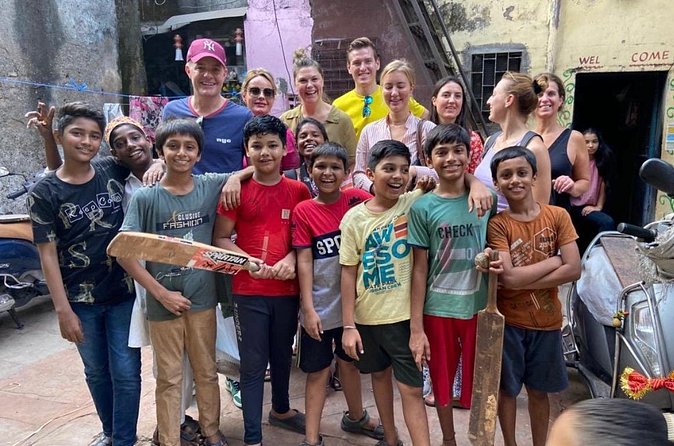
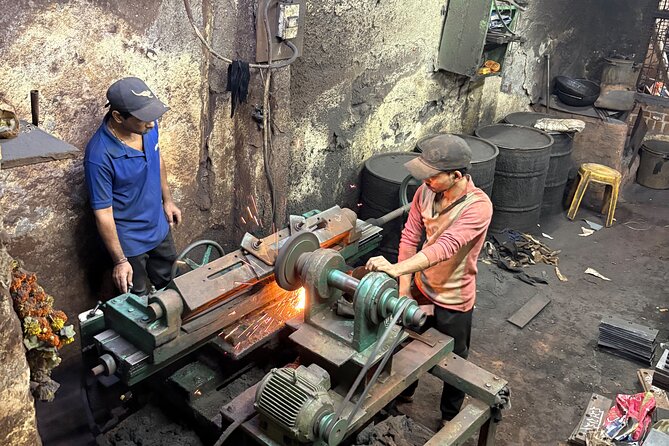
Another 30-minute Mahim stop covers recycling. Local initiatives collect materials such as plastic and paper, and the tour’s overview also points to recycling as one of the area’s small-scale industries.
This part of the walk can make the relationship between city life and waste more visible. Recycling is not an abstract environmental topic here; it is connected to local labor and livelihoods. You may see the practical side of sorting or processing, though the precise activity can vary.
The value is in asking how the work functions and what role it plays in the neighborhood. A clear guide can help you understand the activity without reducing it to a quick photo opportunity. Hakim is repeatedly described as explaining the area with patience and detail, and this is a stop where that context is particularly useful.
Markets, Food, and the Neighborhood
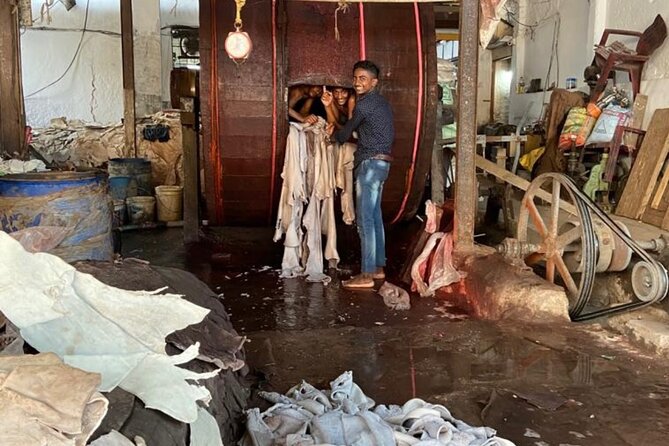
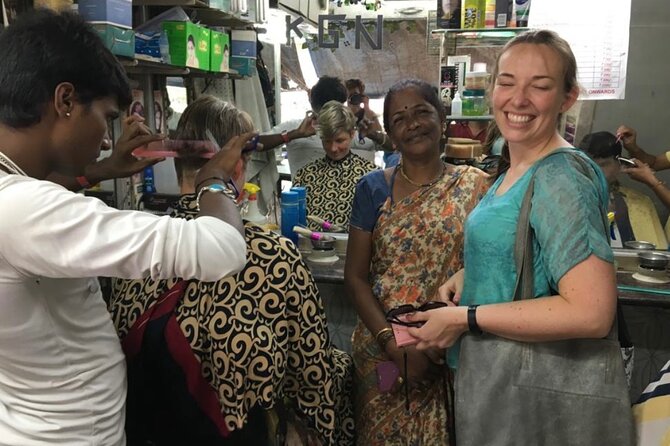
The tour also takes in market areas and the broader daily life of Mahim. The market experience can include flowers, jewelry, and food stalls, with the sounds and smells of ordinary commerce around you. The tour overview mentions street food, but it does not specify a tasting, so do not book expecting a meal or food tour.
Market time gives you a different view of the neighborhood from the workshop stops. You see people buying, selling, and going about the day, rather than focusing only on production. This is a good moment to let the guide set the pace and ask about what catches your eye.
A 20-minute stop is listed for learning about local people and community life. Mahim is described as home to people from varied backgrounds, including Marathi, Gujarati, and South Indian communities. That range offers a small window into Mumbai’s wider mix, though a short visit can only introduce the subject, not explain every community in depth.
One account of the tour describes stopping for a cold beer among locals. That sounds like an informal moment rather than a guaranteed part of the itinerary, so treat it as a possibility, not a promised inclusion. The more reliable expectation is a guided look at markets and the people who use them.
What Hakim Adds
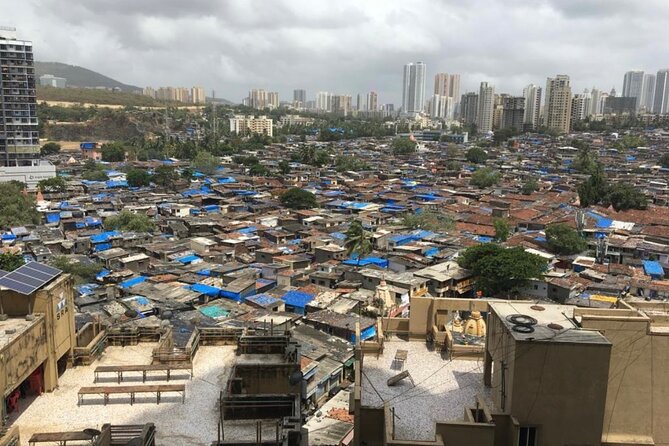
A guided walk through a dense neighborhood depends heavily on the person leading it. Hakim is the guide named in accounts of this tour. He is described as calm, well-informed, and willing to answer questions about Dharavi and Mumbai more broadly.
That matters because the setting can be easy to misread from the outside. A guide can explain what a workshop does, how a market functions, or why a particular area matters, turning passing observations into a more useful picture. The strongest praise centers on explanations of history, people, culture, and work, as well as a sense of safety and respect.
The group limit of 15 helps keep the experience from becoming a large procession through narrow lanes. It is still a group tour, and the pace may not suit someone who wants to stop for a long time at every point. But a smaller cap makes it more practical to hear the guide and ask questions than a large bus group would.
Is $39.72 Good Value?
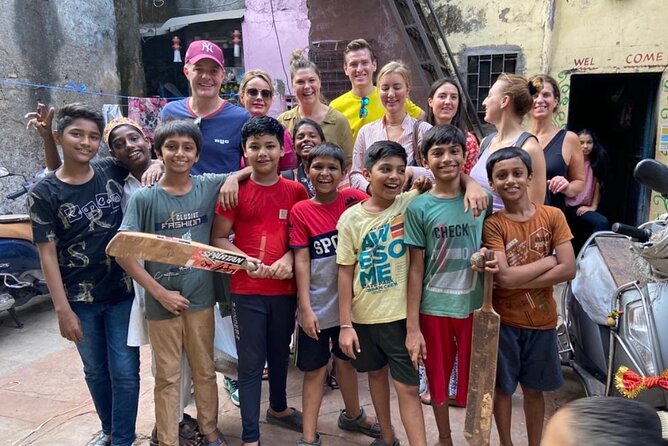
At $39.72 per person for about three hours, this is a paid introduction to Dharavi and nearby working areas. The value lies less in the number of formal sights and more in having a guide connect several kinds of local work and daily life in a short visit.
You get Dhobi Ghat, pottery, leather work, recycling, markets, and community context in one outing. If you tried to piece together a similar visit on your own, you would need to know where to go and how to interpret what you saw. A guide’s explanations are the main reason to pay for this tour.
The price may feel less worthwhile if you want a long, slow visit to one workshop, a food-focused outing, or a private tour. None of those are promised. This is a brisk overview, and its value depends on your interest in people, work, and urban life more than a checklist of famous sights.
Pickup is offered, and the tour has a mobile ticket. It is near public transportation, though no specific pickup location or transport plan is provided here. The experience calls for moderate physical fitness, so expect to walk and be prepared for close, busy streets.
Who Should Book This Walk?
I would recommend it to visitors who want to understand a working Mumbai neighborhood rather than limit their time to monuments and polished attractions. It suits curious travelers who like asking questions, noticing how people make a living, and seeing a city at street level.
It is also a good fit if you want a guided introduction before exploring more of Mumbai independently. Hakim’s explanations are a key part of the experience, and the small group cap supports a more conversational visit.
Think carefully if crowds, close quarters, or walking make you uncomfortable. The tour is not described as an easy-access outing, and moderate fitness is advised. It may also disappoint if you expect a staged demonstration, guaranteed food tasting, or a deep, extended look at each trade. The strength is breadth and context, not a long stop at every site.
Should You Book It?
Book the Best of Dharavi Slum with Market Tour if you want a guided, respectful look at the work and daily life behind one of Mumbai’s best-known neighborhoods. At three hours, it covers a lot: Dhobi Ghat, pottery, leather goods, recycling, and markets, with Hakim’s explanations adding the detail that makes the walk worthwhile.
Skip it if you are uncomfortable walking through busy residential areas or want a slow, specialized workshop visit. For an open-minded visitor who wants more than a quick look from the outside, the tour offers a strong introduction at a reasonable price.
FAQ
How long is the tour?
It lasts about three hours.
How much does the tour cost?
The listed price is $39.72 per person.
Is pickup offered?
Yes, pickup is offered. No specific pickup location is provided here.
How large is the group?
The maximum group size is 15 people.
How much walking and fitness does the tour require?
A moderate level of physical fitness is recommended. The tour is a walking experience through the listed stops.
Can I cancel for a refund?
Yes. You can cancel at least 24 hours before the start time for a full refund. If poor weather cancels the tour, you will be offered another date or a full refund.
More shopping trips around Mumbai
- Mumbai Street Food & Bazaar Tour with Local Transport
★ 5.0 · 51 reviews - Two Days Mumbai Tour Package : City + Slum + Elephanta + Market
★ 4.5 · 24 reviews - Mumbai 3 days package – Sightseeing, Food, Shopping, Slum, Bollywood & Kanheri
★ 5.0 · 20 reviews - Private Market Tour and Vegetarian Cooking Class in Mumbai
★ 4.5 · 15 reviews
Just added around Mumbai
- Victorian Gothic Heritage Quarter and Art Deco Walking Tour★ 4.9 · 14 reviews
- Mumbai Airport to Mumbai Hotels : Private Transfers★ 5.0 · 13 reviews
- Private Walking Tour in Dharavi Slums★ 5.0 · 7 reviews
- Mumbai Sightseeing Tour★ 5.0 · 11 reviews
- Mumbai by Night Guided Tour★ 5.0 · 6 reviews
- Vegetarian Indian Cuisine Virtual Cooking Class Experience from Mumbai★ 5.0 · 4 reviews
- Private Mumbai 2-Day Tour Package:City + Slum & Elephanta Island.★ 5.0 · 3 reviews
- Taj Mahal Day Trip Including Same Day Flights from Mumbai★ 5.0 · 3 reviews
Dharavi Slum Tours, compared.
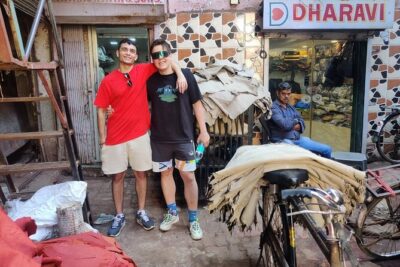
Dharavi slum tour in Mumbai by Female tour guides of the slum
Read our review →
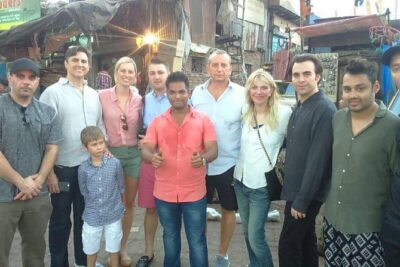

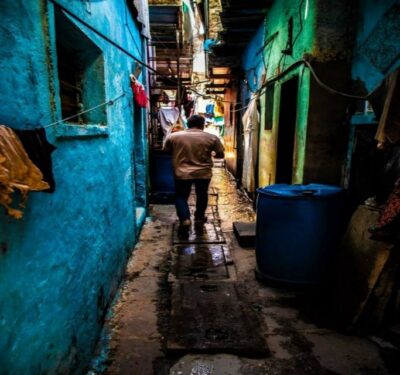
Dharavi Slum Slumdog Millionaire Tour with a Local
Read our review →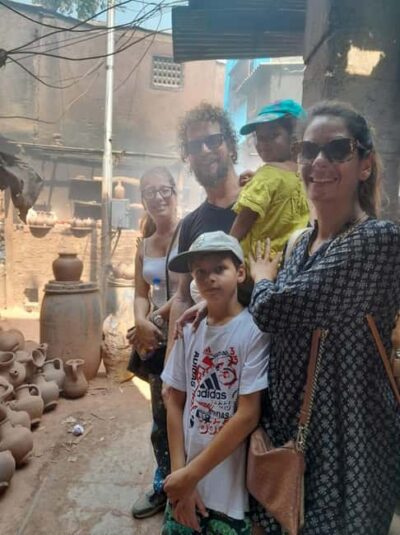
Mumbai Slum Tour – Visit Dharavi Slum with Local Guide
Read our review →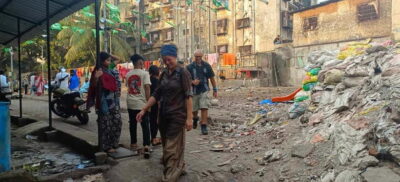
Dhobi Ghat Laundry and Dharavi Slum Tour with Local
Read our review →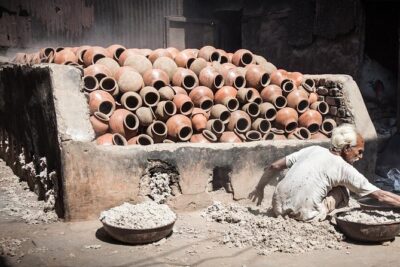
Browse the lists this tour appears in