
Reviewed · DHARAVI SLUM TOURS
Dharavi: Daily Life inside Asia’s Largest Slum walking tour
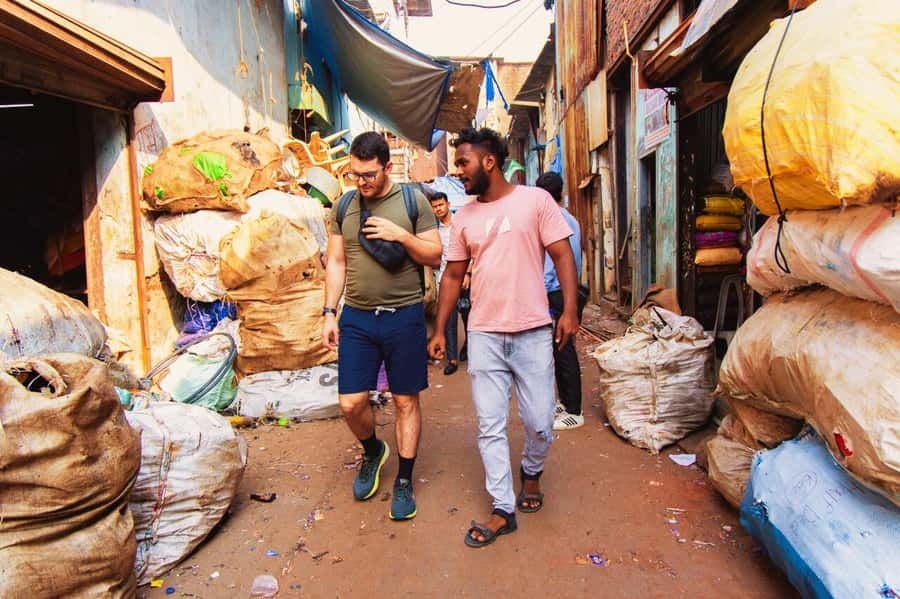
Dharavi is more than a maze of homes and workshops. On this two-hour walk, you see how recycling, leatherwork, pottery and other small businesses fit into daily life, then hear about housing, sanitation and education from a local guide. The most useful part is the human scale: this is a neighborhood where people live and work, not a collection of sights to photograph.
I like the chance to see plastic recycling and family-run workshops up close, and the move from busy industrial lanes to the potters’ neighborhood of Kumbharwada gives the walk a clear sense of place. One consideration: the route crosses narrow, uneven lanes, so it is not suitable for wheelchair users or people with mobility impairments, and may not suit people with respiratory issues.
What to know before you go
- Recycling is work, not a display: See how plastic and metal are processed into useful goods, while a local guide explains the role these businesses play in Mumbai’s informal economy.
- Residential lanes call for respect: You’ll pass homes, children at play and everyday family life. Ask before taking photos of people.
- Kumbharwada keeps pottery traditions alive: The community of potters originally came from Gujarat, and artisans still shape clay by hand.
- Dhobi Ghat is a named highlight: This open-air laundry is known for washerfolk cleaning clothes by hand. Its exact place in the walk is not specified, so confirm it is part of your booked option if it matters to you.
- The tour is short and low-cost: It lasts two hours and costs $7 per person, with an English- or Hindi-speaking guide and packaged water if needed.
Starting near Third Wave Coffee
The walk begins outside Third Wave Coffee, a relaxed place to meet your guide and get a short introduction to the route. The meeting point can vary according to the option you book, so check the details for your specific tour rather than assuming every departure starts at the same spot.
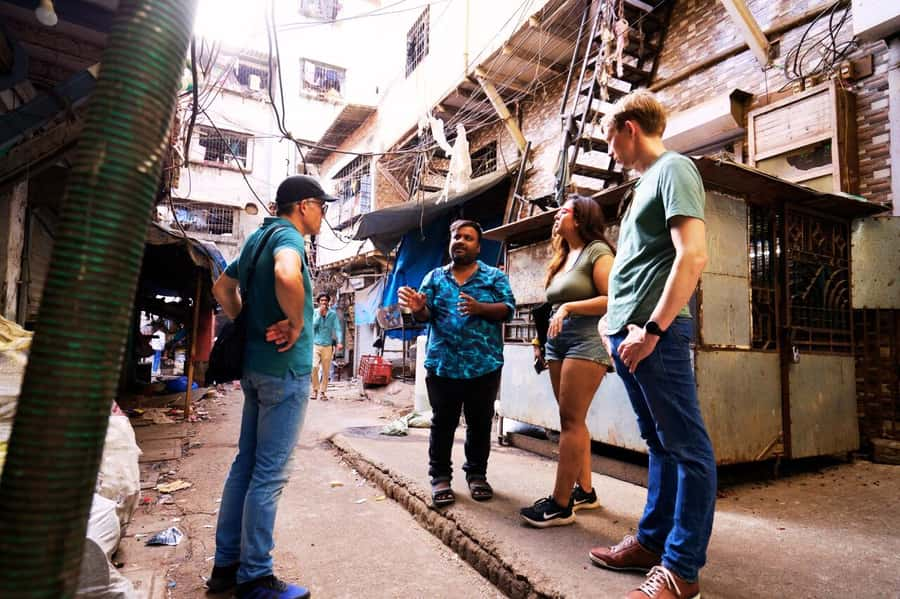
Your guide then leads the group toward Dharavi. Small groups help keep the walk personal, and a guide who knows the area can provide context as you move through it. Guides have included Segidi, Ravi, Abhishek and Bala. One guide, Bala, was praised for clear English and for explaining details carefully; Abhishek was singled out for keeping the outing organized and making it feel safe. These names are useful to know, but you may not be assigned a particular guide.
The tour ends back at its meeting point. It is a walking experience, not a sightseeing loop by vehicle, so arrive ready to spend the full two hours on foot. Packaged water is included if needed, but bring extra water if you expect to need more, along with sun protection for the outdoor parts of the route.
More Dharavi tours around Mumbai:
- Dharavi slum tour in Mumbai by Female tour guides of the slum
★ 5.0 · 1,976 reviews - Mumbai: Dharavi Slum, DhobiGhat, and Dabbawallas Tour
★ 4.9 · 689 reviews - Dharavi Slum Tour
★ 5.0 · 625 reviews
Seeing Dharavi’s workshops at work
The walk begins in Dharavi’s industrial area, where small businesses make the neighborhood’s working life visible. You may see plastic and metal being recycled, leather goods being made, and people producing snacks, pottery, soaps and textiles. Many workshops are family-run and have continued across generations.
The point is not simply to watch production. Your guide can explain how these enterprises operate in limited space and why they matter to Mumbai’s informal economy. That context changes what you notice: a scrap pile becomes a source of material, and a small workshop becomes part of a wider network of work and income.
Plastic recycling is a particularly telling stop. Waste is sorted and processed into materials for everyday products, showing how little goes unused. The work can be noisy or cramped, and you are entering places where people earn a living. Stay with the group, follow your guide’s directions and give workers room to carry on.
The tour’s other workshop examples make clear that Dharavi is not defined by one trade. Leather goods, food, pottery, soap and textiles all point to a patchwork economy, built from skill and enterprise. You get a broad introduction rather than an extended visit to each business, so bring questions and use the guide to connect what you see.
Moving from workshops into residential lanes
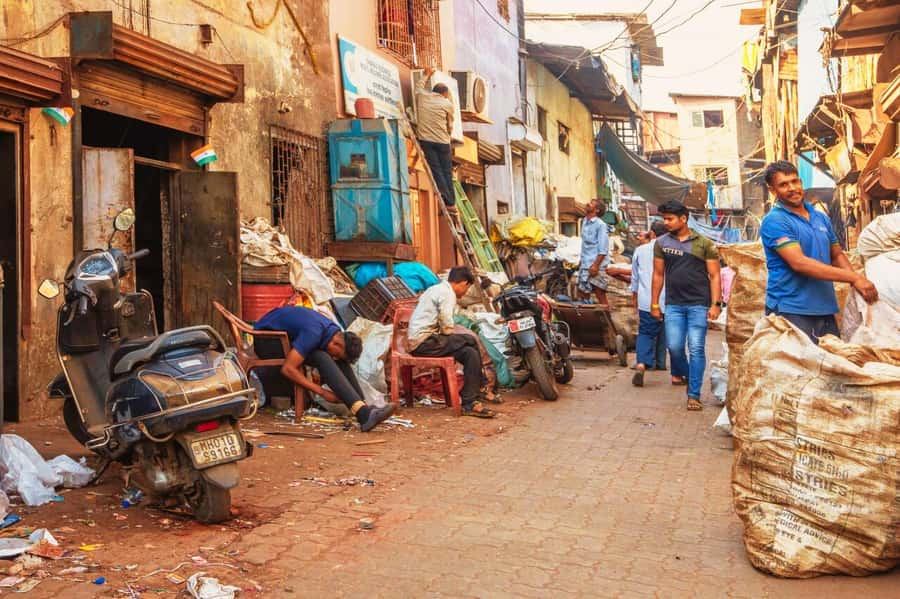
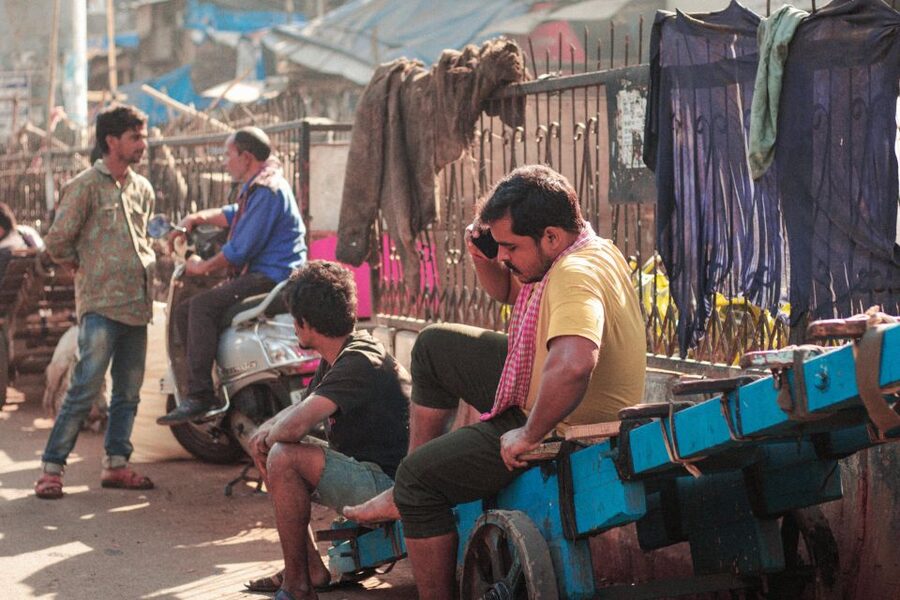
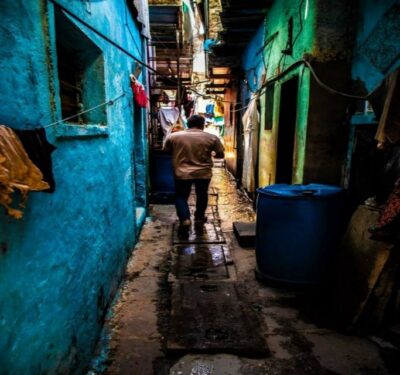
From the industrial district, the walk turns into a residential area of narrow lanes and small homes. Here the subject shifts from production to daily routines. You might see children playing cricket in an alley, neighbors talking from doorways, or food being prepared and shared.
These are not staged scenes. People live in the homes along the route, and the tour asks you to treat the area as a neighborhood, not a backdrop. Keep your camera put away unless you have permission to photograph someone. Even where photography is allowed, asking first is the decent and practical choice.
Your guide can discuss the realities behind the streets, including sanitation, housing, healthcare and education. These topics are part of the experience because the physical conditions you see do not tell the whole story. A small home can be both a source of pride and a place shaped by difficult limits; listening to local perspectives helps you hold both facts at once.
The walk is not designed as a poverty spectacle. Its value lies in giving you a chance to hear how people describe their own lives and community, rather than making assumptions from a quick look. That approach may feel less like conventional sightseeing, but it makes the visit more thoughtful and useful.
Finding tradition in Kumbharwada
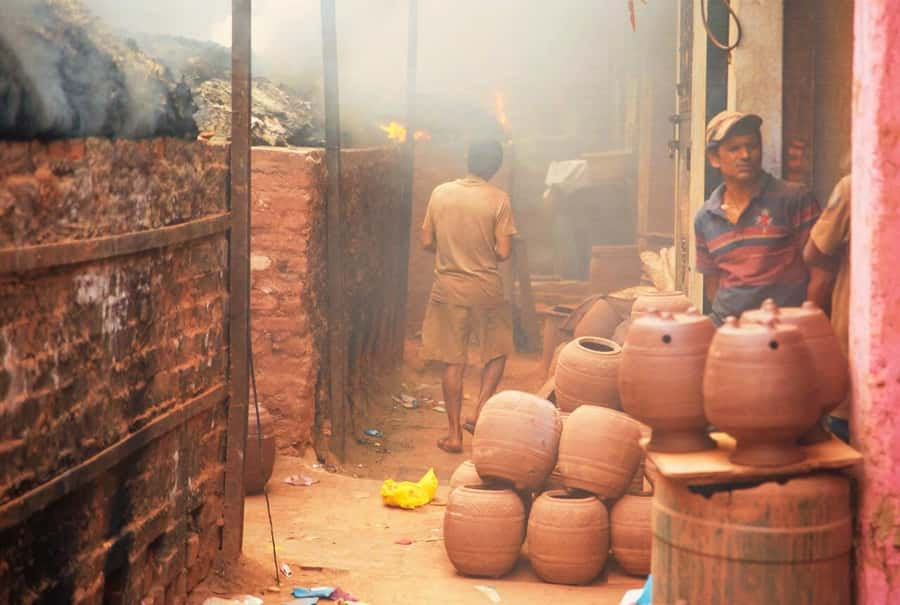
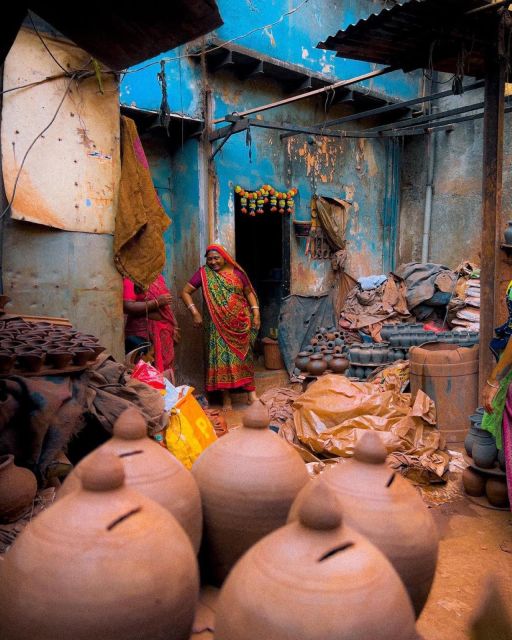
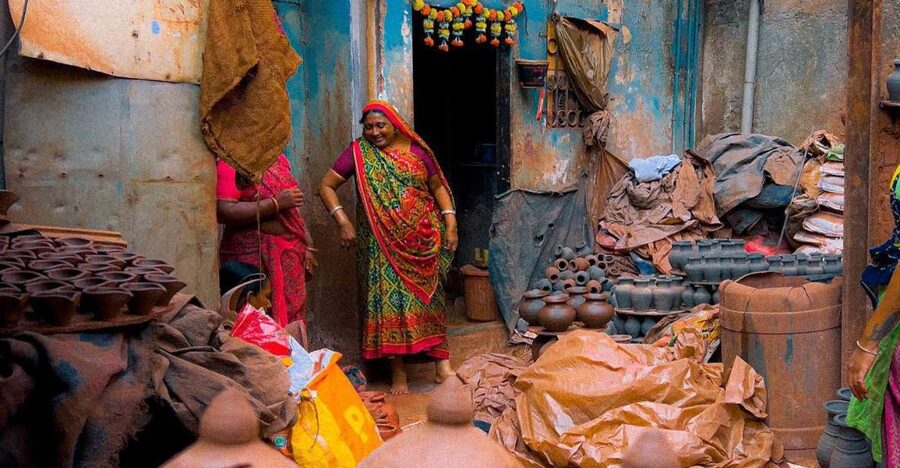
Kumbharwada, the potters’ neighborhood, offers a different pace from the industrial lanes. Its pottery community came originally from Gujarat, and families have made clay pots here for generations. You can see kilns, pots drying in the sun and artisans shaping clay with practiced hands.
This stop gives the walk a strong sense of continuity. Dharavi is often discussed through the pressures of urban change, yet Kumbharwada shows how a craft can remain part of a community’s working life. The sight of handmade pots is also a reminder that the neighborhood’s economy includes skilled production, not only recycling.
There is no promise of a hands-on pottery session, so approach this as a chance to observe and learn. The artisans are at work, and a respectful visit means leaving them space rather than treating the workshop as an attraction built for visitors.
More walking tours around Mumbai:
- Group Guided Walking Tour in Fort and Colaba
★ 5.0 · 1,073 reviews - Private Guided Walking Tour in Fort & Colaba
★ 5.0 · 895 reviews - Private Guided Walking Tour in Bandra Queen of Suburbs
★ 5.0 · 383 reviews - Private Guided Spiritual Walk in Banganga Hindu Temples
★ 5.0 · 271 reviews
Dhobi Ghat and what to confirm
Dhobi Ghat is identified as a highlight of the experience: Mumbai’s open-air laundry, where washerfolk clean clothes by hand. It offers another look at work that is public, skilled and part of the city’s daily routines.
The route details do not state exactly where Dhobi Ghat falls in the walk or whether it appears in every option. If this stop is a deciding factor, confirm it when booking. That small check can save disappointment, especially because the tour is only two hours and the route may differ by option.
Is $7 good value?
At $7 per person, this is an inexpensive way to spend two hours with a local guide inside an area that is easy to misunderstand from a distance. The price includes an English- or Hindi-speaking guide and packaged water if needed. You are paying for interpretation and a carefully guided walk, not transport, a meal or an activity session.
The value depends on what you want from the visit. If you want a quick collection of photo stops, this is the wrong fit. If you want to understand how local workshops function and hear about everyday issues from someone who can place them in context, the guide is central to what you are paying for.
The strongest guide experiences combine clear explanations with practical care. Bala, for example, was praised for helping a visitor and her mother feel safe in the lanes and while crossing streets, and for waiting until their Uber arrived. Another visitor appreciated a guide who bought a train ticket and showed them to the platform afterward. Those are individual examples, not services you should assume are included, but they show how much a thoughtful local guide can add.
Practical choices for a more respectful walk
Wear comfortable clothes and sturdy, closed-toe shoes. The lanes are narrow and uneven, and the tour involves walking throughout, so sandals or shoes with poor grip are a weak choice. A scarf is recommended, and modest dress helps show respect for the community.
Bring water, sunscreen and a hat if you need them. Packaged water is available if needed, but outdoor conditions can make extra water useful. Arrive on time, since the group meets at a set point and the walk begins with a brief introduction.
Photography is allowed, but ask permission before photographing people. That rule matters most in the residential section, where a camera can turn a routine moment into an intrusion. If you are unsure, keep the camera away and pay attention to the explanation instead.
This tour is not suitable for wheelchair users or people with mobility impairments. It is also listed as unsuitable for people with respiratory issues and visually impaired people. If you have concerns about the route, contact the provider before booking rather than relying on the short duration to make it manageable.
Who should book this walk?
I’d recommend this tour to visitors who want a grounded introduction to Dharavi and are comfortable walking through working and residential areas. It suits curious travelers who can listen, ask considerate questions and accept that the experience is about local life rather than polished attractions.
It is also a good fit if you value a local guide’s explanations. The guide can connect workshops, neighborhood routines and social issues in a way that a self-guided walk cannot. The small-group format helps keep the experience more personal, though the exact group size is not specified.
I would skip it if you need step-free access, have difficulty walking on uneven ground, or want a conventional sightseeing tour with a fixed set of photo stops. And if you are mainly interested in Dhobi Ghat, confirm that it is included in your chosen option before you pay.
FAQ
How long is the Dharavi walking tour?
The walking tour lasts two hours.
How much does the tour cost?
It costs $7 per person.
Which languages are available?
The tour is available in Hindi and English.
Where does the tour start?
The meeting point may vary depending on the option booked. Third Wave Coffee is described as a meeting point, so check your specific booking details.
Where does the tour end?
The activity ends back at its meeting point.
What is included in the price?
The price includes an English- or Hindi-speaking guide and packaged water if needed.
Can I take photos during the tour?
Photography is allowed, but ask permission before photographing people.
What should I wear or bring?
Wear comfortable clothes and comfortable, closed-toe shoes. A scarf is recommended; bring water, sunscreen and a hat if needed.
Is the tour suitable for wheelchair users?
No. It is not suitable for wheelchair users or people with mobility impairments, as the walk passes through narrow, uneven lanes.
Can I cancel for a refund?
You can cancel up to 24 hours in advance for a full refund.
Just added around Mumbai
- Victorian Gothic Heritage Quarter and Art Deco Walking Tour★ 4.9 · 14 reviews
- Mumbai Airport to Mumbai Hotels : Private Transfers★ 5.0 · 13 reviews
- Private Walking Tour in Dharavi Slums★ 5.0 · 7 reviews
- Mumbai Sightseeing Tour★ 5.0 · 11 reviews
- Mumbai by Night Guided Tour★ 5.0 · 6 reviews
- Vegetarian Indian Cuisine Virtual Cooking Class Experience from Mumbai★ 5.0 · 4 reviews
- Private Mumbai 2-Day Tour Package:City + Slum & Elephanta Island.★ 5.0 · 3 reviews
- Taj Mahal Tour From Cruise Port, Mumbai, Cochin and Goa★ 5.0 · 8 reviews
Dharavi Slum Tours, compared.
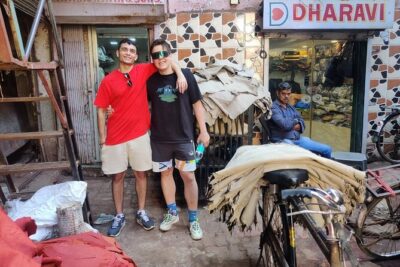
Dharavi slum tour in Mumbai by Female tour guides of the slum
Read our review →

Dharavi Slum Slumdog Millionaire Tour with a Local
Read our review →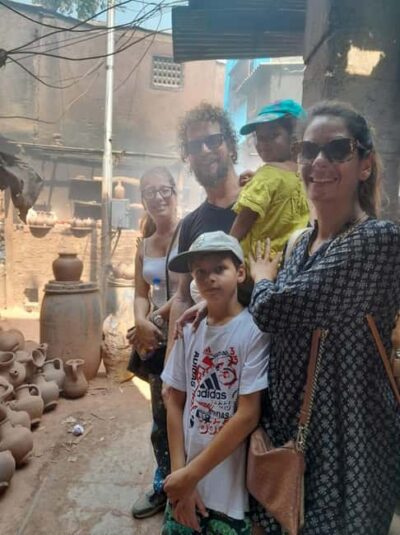
Mumbai Slum Tour – Visit Dharavi Slum with Local Guide
Read our review →
Dhobi Ghat Laundry and Dharavi Slum Tour with Local
Read our review →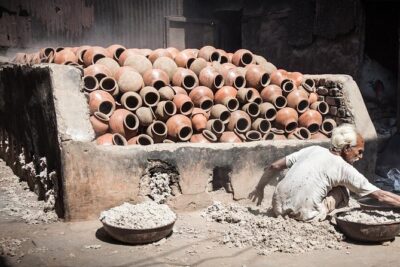
Browse the lists this tour appears in