
Reviewed · DHARAVI SLUM TOURS
Dharavi Slum Tour
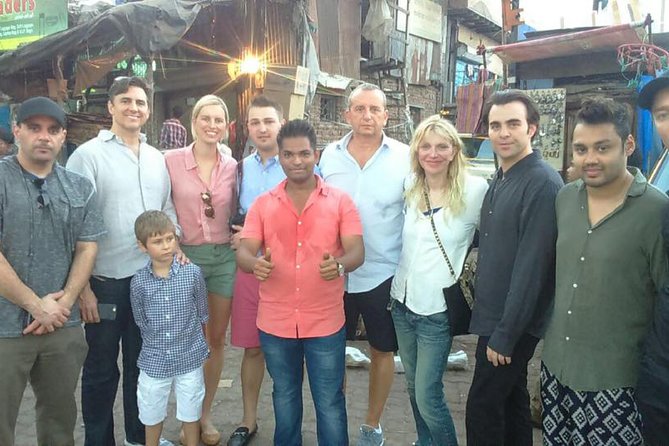
Dharavi is not simply a place to look at from the outside. This two-hour walking tour puts local homes, workshops, and businesses in view, with an English-speaking guide who lives in the area to explain what you’re seeing.
I like two things in particular: you meet the neighborhood through a resident guide, and the focus goes beyond living conditions to include entrepreneurship and recycling. The chance to try pottery and share vegetarian food in a family home can add a personal note to the visit.
One consideration: Dharavi is a residential neighborhood, not a staged attraction. Go with respect, dress modestly, and be prepared for a direct look at daily life in a place where people live and work.
- Resident guides put the visit in local hands: Guides named by past participants include Smith, Alkama, Rakesh, Hardik, and Dinesh. Your guide may differ.
- Business is part of the story: The tour looks at local homes and enterprises, including Dharavi’s role in recycling.
- Pottery offers a hands-on moment: A visit to a potter’s workshop is described as part of the experience.
- A family meal is included in the tour description: Expect vegetarian fare in a local home, though the precise meal details are not specified.
- Groups are capped at 20: Private and small-group options are available, with several start times.
- Practical preparation matters: Wear modest clothes and closed-toed shoes, and carry water or a cap if the weather is hot.
Dharavi, Seen From Within
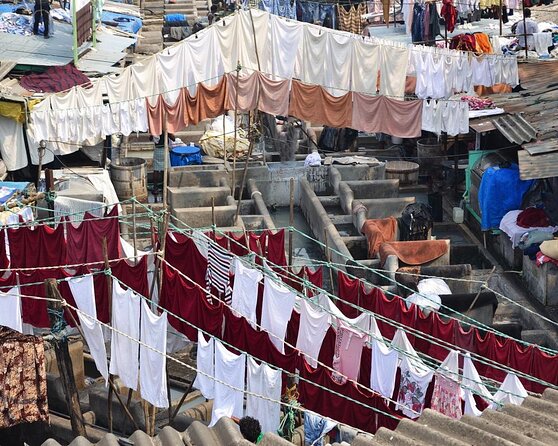
Dharavi is often introduced as one of Asia’s largest slum areas. That label gives you scale, but little sense of what daily life means here. The tour’s value lies in walking through a residential and working community with a guide who lives in the area, rather than trying to interpret it from a car window or a distant viewpoint.
The visit presents Dharavi as a place where people live, work, and run businesses, including enterprises connected to recycling. That mix matters. You are not only hearing about hardship or housing; you are also learning how residents make a living and build local networks in a crowded urban setting.
I like that this approach gives you a more rounded picture of Mumbai. The city’s contrasts are real, but a respectful visit should not reduce a neighborhood to a symbol of poverty. Your guide can provide context that an unaccompanied walk would lack, and can help you understand what you are seeing without treating residents as exhibits.
That distinction depends partly on how you take part. Listen, ask thoughtful questions, and follow your guide’s direction. You are entering someone else’s neighborhood, not a set designed for visitors.
A Resident Guide Makes the Difference
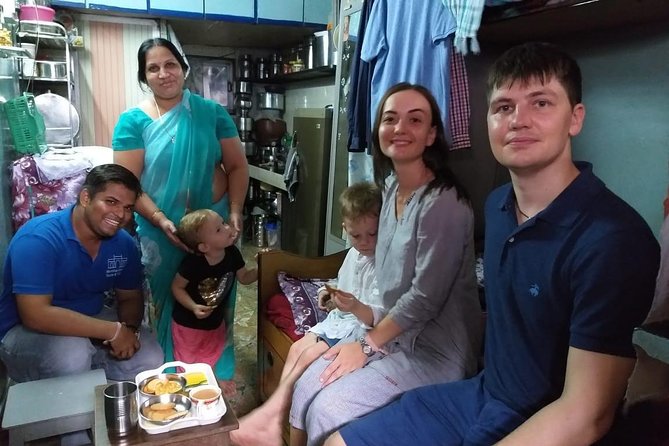
The tour includes an English-speaking guide who lives in Dharavi. That local connection is central to the experience: a resident guide can speak from daily familiarity with the area and explain how residential and commercial parts fit together.
Guides named by past participants include Smith, Alkama, Rakesh, Hardik, and Dinesh. Alkama was described as a young resident balancing work and study, while Rakesh was praised for explaining both commercial and residential areas. Hardik was remembered for answering questions and offering tea. These names give you a sense of the personal side of the tour, but they are examples, not a promise of who will lead your departure.
Expect the guide to shape the visit through explanation and conversation. The tour is not described as a lecture with a fixed list of facts, and that is a good fit for a neighborhood where questions about work, housing, and everyday routines may lead in different directions. You can ask what interests you, while keeping in mind that the guide sets the pace and decides what is appropriate to discuss or visit.
The guide’s local knowledge also helps with the tour’s ethics. A visitor alone may not know where to walk or when to pause. Following a resident guide gives the experience structure and helps keep your presence considerate.
More Dharavi tours around Mumbai:
- Dharavi slum tour in Mumbai by Female tour guides of the slum
★ 5.0 · 1,976 reviews - Mumbai: Dharavi Slum, DhobiGhat, and Dabbawallas Tour
★ 4.9 · 689 reviews - Dharavi Slum Tour
★ 5.0 · 625 reviews
Homes, Workshops, and Local Business
The stated itinerary names Dharavi as its one stop, rather than listing a sequence of separate sites. The experience is described as a walk through the area, with time spent learning from residents at local homes and businesses. The listed stop itself is marked as about 20 minutes, while the overall tour duration is approximately two hours. Treat the total duration as the best planning guide, and understand that the published stop breakdown does not explain how those hours are divided.
The business focus is one of the most useful parts of the visit. Dharavi is described as a center for entrepreneurship and recycling, and the guide can help you see the neighborhood as a place of work as well as residence. That perspective gives the walk a practical purpose: instead of only looking at buildings, you learn something about how local businesses operate and how residents earn a living.
A pottery workshop adds a hands-on element. You are invited to try your hand at pottery, which gives the visit a different rhythm from simply walking and listening. The details of the activity are not specified, so don’t assume it is a long class or that you will make a finished piece to take away. Think of it as an introduction to a local craft.
The tour also describes a vegetarian meal in a family home. Sharing food can offer a quieter, more personal moment in a visit that may otherwise involve a lot of new sights and information. The exact menu and meal arrangements are not provided, so check with the operator if you have dietary needs or want to confirm what is included.
Taken together, these elements make the experience more than a guided walk past homes. You have a chance to learn about local enterprise, see a working craft setting, and encounter hospitality in a residential context. The balance will depend on the day’s route and the guide, but the stated focus is clear: understand Dharavi through the people who live and work there.
What the Two Hours Feel Like
This is a short tour, but two hours can give you a meaningful introduction when the guide is able to explain what you are seeing. You will not get an exhaustive account of the neighborhood, nor should you expect to understand every part of a community of this scale in one visit. The better goal is to leave with a more grounded picture than you arrived with.
The pace may vary with the group, questions, and activity stops. The tour allows a maximum of 20 participants, and private tours are also available. A group of that size is still large enough that you may need to pay attention to hear explanations, especially if several people ask questions at once. If close conversation matters to you, a private option may be worth considering, though its price is not supplied here.
Several start times are offered, which helps you fit the visit around the rest of a Mumbai day. The tour is listed as approximately two hours, but leave a little breathing room before your next commitment. The itinerary’s single stop is not broken down into exact timings for the workshop, family visit, or walk.
The meeting point is Third Wave CoffeeTip Road at Ram Mahal, on Senapati Bapat Marg in Mahim. The tour ends near Sai Multispeciality Hospital and Research Centre on 90 Feet Road in Dharavi. Since the start and finish are at different locations, plan your return from the ending point rather than assuming you will loop back to the cafe. Uber cabs are available at the end, according to the tour details.
Price, Group Size, and What You Get
At $13.42 per person, this is an inexpensive way to spend two hours with a local guide in Mumbai. The price includes the English-speaking guide and bottled water. The tour description also includes pottery and vegetarian food in a family home, although it does not spell out the food or workshop arrangements in detail.
The value is strongest if you want context, not just transport between sights. You are paying for a guided introduction to a residential and business community, with a resident guide who can answer questions and connect details to local life. That is a different kind of value from a conventional sightseeing stop: the main benefit is interpretation and access to perspectives you might otherwise miss.
Private transportation is not included, and tips are not included. Build in the cost of getting to the meeting point and away from the finish. The tour is near public transportation, but the exact transit instructions are not provided, so check your route before setting out.
The tour is commonly booked about 16 days in advance. That average is useful if your schedule is fixed, but it is not a guarantee that you need to book exactly that far ahead. Mobile tickets are available, and confirmation is normally received at booking. If you book within an hour of departure, confirmation may take longer and depends on availability.
More tours and days out around Mumbai:
- Mumbai: Full-Day Sightseeing Tour of Mumbai
★ 4.9 · 1,822 reviews - Private Mumbai Sightseeing Tour (Traveller’s Choice Award Winner)
★ 5.0 · 1,565 reviews - Elephanta Caves & Island Guided Private Tour
★ 5.0 · 1,327 reviews - Group Guided Walking Tour in Fort and Colaba
★ 5.0 · 1,073 reviews
Dress, Heat, and Respectful Visiting
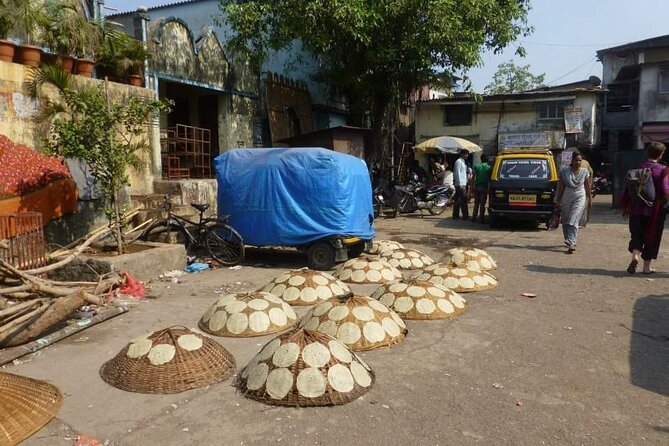
Wear modest clothing and closed-toed shoes. For women, the guidance specifically advises against sleeveless shirts, short shorts, and low-cut tops. These choices are practical as well as respectful for a visit through homes and working areas.
Mumbai can get hot, and one participant specifically advised carrying a cap and staying hydrated. Bottled water is included, but a hat is still useful on a warm day. Closed-toed shoes make sense for a walking tour through a working neighborhood, though the specific walking surface is not described.
Photography rules are not provided, so ask your guide before taking pictures, especially near homes or people at work. That is a simple way to avoid turning someone’s ordinary day into a souvenir without permission. Keep your questions open and respectful, and remember that residents are not obliged to share personal stories.
Most people can participate, and the tour is near public transportation. No detailed accessibility information is provided, so if you have mobility needs, ask the operator before booking rather than assuming the route will suit you.
Who Should Take This Tour?

This tour suits you if you want to understand more than Mumbai’s landmarks and are willing to listen as well as look. It is particularly useful for visitors interested in local enterprise, recycling, and the realities of urban life. The resident guide and visits to homes or businesses can make the experience personal without pretending that two hours can tell the whole story.
It may be less suitable if you prefer a highly scripted attraction, want extensive time at each stop, or feel uncomfortable entering a residential neighborhood as a visitor. The tour asks for curiosity and restraint. You should be ready to follow the guide’s lead rather than treat every moment as a photo opportunity.
The strong praise for guides such as Rakesh, Alkama, Hardik, and Smith points to the importance of the person leading the walk. A thoughtful guide can make the difference between a superficial visit and a useful introduction. Still, individual guides vary, and the names mentioned are not guaranteed for your date.
Should You Book the Dharavi Tour?
I would book this tour if you want a guided, resident-led introduction to Dharavi and are prepared to approach the visit with care. Its price is modest, the group is limited to 20, and the combination of local business, recycling, pottery, and a family meal gives the walk several angles beyond sightseeing.
Skip it if you are looking for a quick photo stop or a polished attraction with a predictable sequence of exhibits. Dharavi is a community, and the value here comes from listening to the guide and treating the people you meet with respect. If that sounds right for you, the tour offers a practical way to learn about a side of Mumbai that deserves more than a passing glance.
FAQ
How long is the Dharavi tour?
The tour lasts approximately two hours. The listed itinerary names Dharavi as one stop, but does not provide exact timings for each activity.
What is included in the price?
An English-speaking guide who lives in Dharavi and bottled water are included. Private transportation and tips are not included.
Does the tour include pottery and a meal?
The tour description includes trying pottery at a potter’s workshop and vegetarian fare in a family home. It does not provide further details about the activity or menu.
Where does the tour start and end?
It starts at Third Wave CoffeeTip Road, at Ram Mahal on Senapati Bapat Marg in Mahim. It ends near Sai Multispeciality Hospital and Research Centre on 90 Feet Road in Dharavi.
How large is the group?
The maximum group size is 20. Private and small-group tours are available.
What should I wear?
Wear modest clothing and closed-toed shoes. Women are advised not to wear sleeveless shirts, short shorts, or low tops.
Can I cancel for a refund?
You can cancel at least 24 hours before the experience for a full refund. Cancellations made less than 24 hours before the start time are not refunded.
Just added around Mumbai
- Victorian Gothic Heritage Quarter and Art Deco Walking Tour★ 4.9 · 14 reviews
- Mumbai Airport to Mumbai Hotels : Private Transfers★ 5.0 · 13 reviews
- Private Walking Tour in Dharavi Slums★ 5.0 · 7 reviews
- Mumbai Sightseeing Tour★ 5.0 · 11 reviews
- Mumbai by Night Guided Tour★ 5.0 · 6 reviews
- Vegetarian Indian Cuisine Virtual Cooking Class Experience from Mumbai★ 5.0 · 4 reviews
- Private Mumbai 2-Day Tour Package:City + Slum & Elephanta Island.★ 5.0 · 3 reviews
- Taj Mahal Day Trip Including Same Day Flights from Mumbai★ 5.0 · 3 reviews
Dharavi Slum Tours, compared.
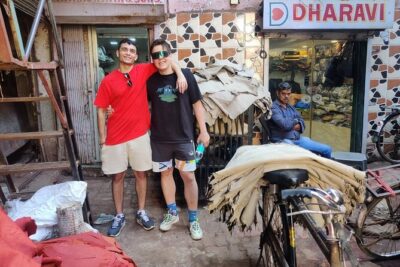
Dharavi slum tour in Mumbai by Female tour guides of the slum
Read our review →
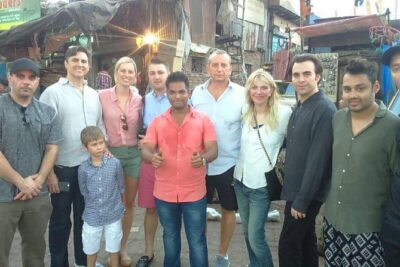

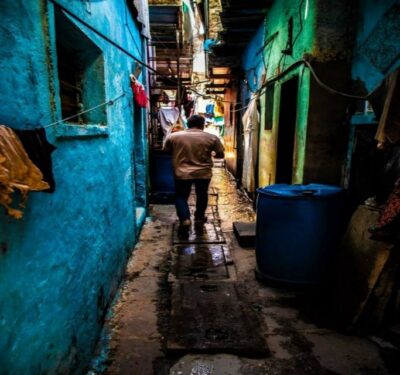
Dharavi Slum Slumdog Millionaire Tour with a Local
Read our review →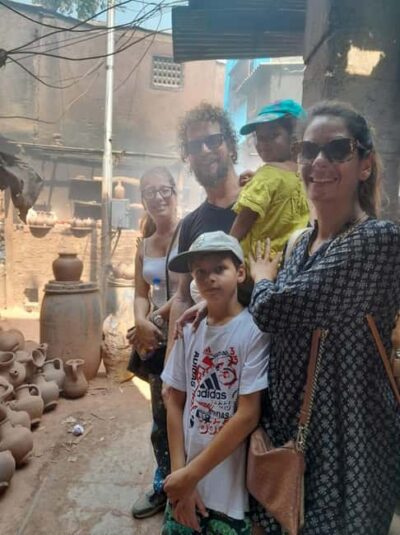
Mumbai Slum Tour – Visit Dharavi Slum with Local Guide
Read our review →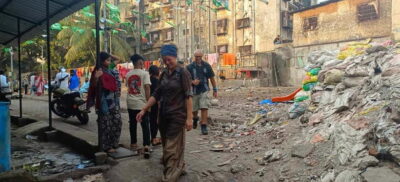
Dhobi Ghat Laundry and Dharavi Slum Tour with Local
Read our review →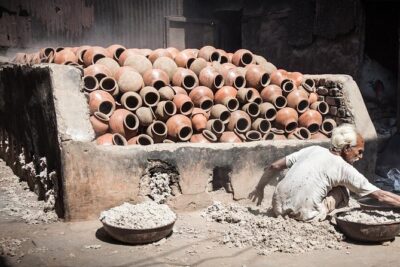
Browse the lists this tour appears in