
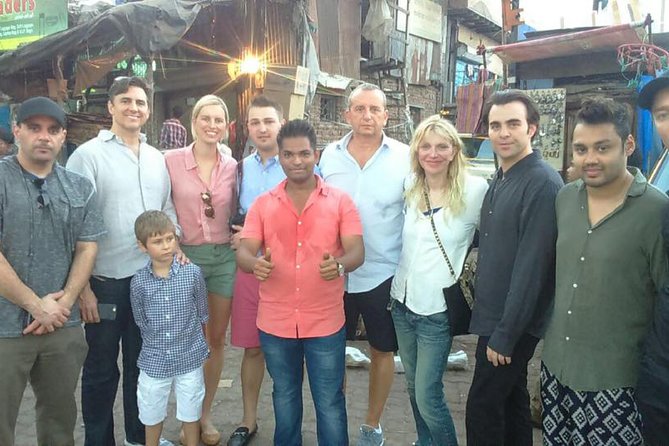
Reviewed · DHARAVI SLUM TOURS
Dharavi Slum Tour
Dharavi is not just a place to pass through on the way to Mumbai’s better-known sights. On this two-hour guided walk, you see how recycling yards and small workshops fit into everyday life, and how a community often reduced to a stereotype also supports a substantial local economy.
I like two things in particular: the chance to see plastic and metal recycling up close, and the local guides who can put the work and neighborhood into context. Ruqaiyya, Neha and Rihanna are among the guides named by people who have taken the tour, with Ruqaiyya praised for clear explanations and thoughtful answers.
One consideration: Dharavi is a residential and working community, not a purpose-built attraction. You should be comfortable walking through a place where people live and work, and treat the setting with respect. The outing’s overall duration and meeting point also depend on the option you book.
- See recycling in action: The route includes Dharavi’s thirteenth compound, with plastic and metal recycling work.
- Look beyond one industry: Small producers make leather goods, ceramics, embroidered garments, toys and buttons.
- Walk with a local guide: Guides speak English, Hindi or Marathi, and some have lived in Dharavi.
- Budget from $8 per person: The low listed price is appealing, but check which duration and transport options it covers.
- Choose a two-hour walk or a longer outing: The core tour is two hours, while available options run from two to seven hours.
- Expect practical comforts: Bottled water, entry fees and, on applicable options, private air-conditioned transport and hotel or port pickup are included.
A Walk Through Dharavi’s Working Neighborhood
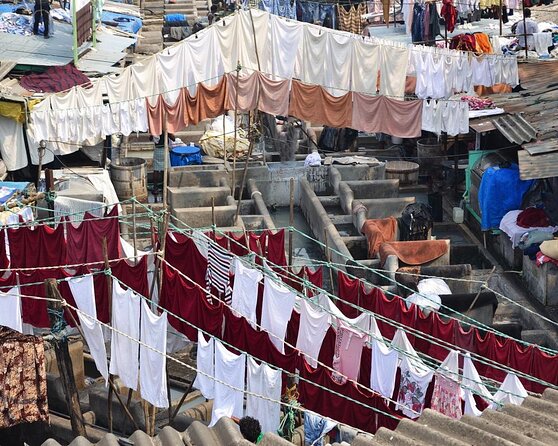
The Dharavi Slum Tour sets out to show a place of work and community, not to offer a spectacle. Founded in 1883 during British colonial rule, Dharavi has grown into a large, industrious part of Mumbai, with small businesses producing goods for local and international markets.
The tour description estimates Dharavi’s annual economic output at about $1 billion, with recycling among its main drivers. That figure helps explain why the workshops matter: they are not decorative stops on a sightseeing route, but part of an economy built through many small-scale trades.
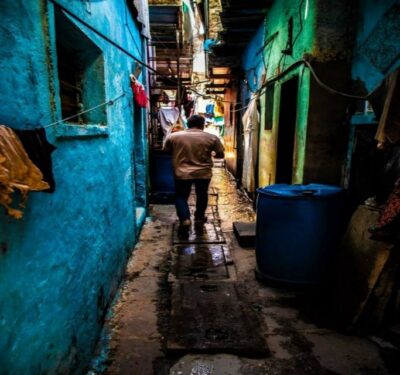
Your walk is led by a local guide, with English, Hindi and Marathi available. That local perspective is especially useful here. A maze of lanes and workshops can be hard to interpret on your own; a guide can explain what you are seeing and respond to questions about daily life and work.
The experience is designed to challenge easy assumptions about slums. It does not mean every part of life here is easy, or that a short visit can explain the whole community. It does give you a chance to see the place as more than a headline or a label, and to understand some of the work that sustains it.
From Mahim Station to the Thirteenth Compound
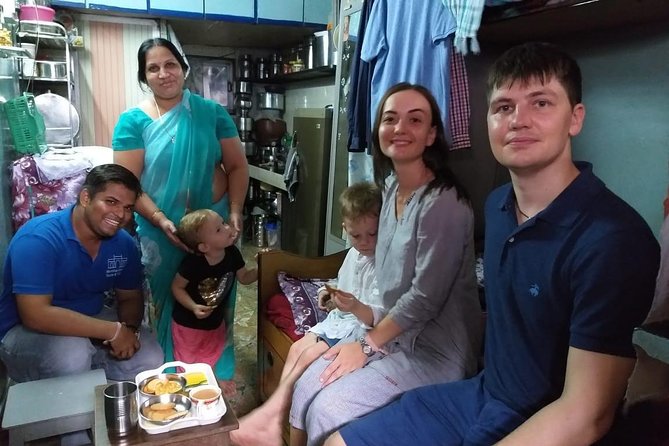
The stated starting point for the walk is Mahim Railway Station, though your meeting point can change with the option you select. If you book a pickup, the start may instead be arranged from your hotel or port. Check the exact location and time on your booking details rather than assuming every version begins at the station.
From there, the route leads through Dharavi, including the plastic and metal recycling yard at the thirteenth compound. This is the tour’s most distinctive stop. You can watch how plastic is melted and molded into new goods, including toys, and see metal work that includes making buttons for brands such as Barbie Dolls in India.
The value here is in seeing the process rather than just hearing that recycling is important. The work happens in compact spaces, and the materials pass through hands and small enterprises before becoming useful products again. For anyone curious about how city economies function beyond formal offices and large factories, it is a revealing part of the walk.
The setting is also a reminder to be considerate. People are carrying out their jobs and going about daily life, not performing for a camera. Follow your guide’s lead, and ask before taking photographs of people or work areas. That is respectful practice in any residential neighborhood, and especially useful when visiting a place where homes and businesses sit close together.
More Dharavi tours around Mumbai:
- Dharavi slum tour in Mumbai by Female tour guides of the slum
★ 5.0 · 1,976 reviews - Mumbai: Dharavi Slum, DhobiGhat, and Dabbawallas Tour
★ 4.9 · 689 reviews - Dharavi Slum Tour
★ 5.0 · 625 reviews
Leather, Ceramics and Garment Work
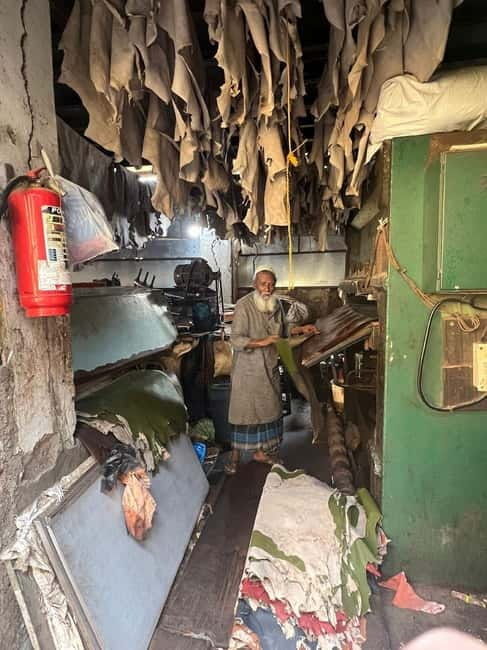
Recycling is a major focus, but it is not the only trade you may encounter. Dharavi’s small industries also include leather goods, ceramics and embroidered garments. These workshops show how varied the local economy is, and how producers make goods in limited space.
The tour information notes that some products reach domestic and international markets. That detail matters because it connects modest-looking workrooms to a much wider chain of buyers and suppliers. A small workshop may be easy to overlook if you are expecting a conventional factory tour, but its scale is part of what makes the visit worth your time.
The route is a walk through an active neighborhood, so the experience is not a set of polished exhibits with labels and display cases. You are there to observe working life with a guide who can explain what is happening. If you prefer museums or carefully staged demonstrations, this may feel less predictable; if you want a grounded view of urban livelihoods, that directness is a strength.
Why the Local Guide Makes the Difference
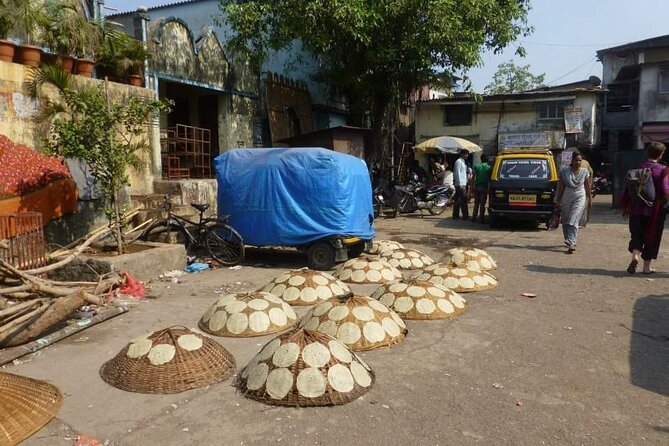
The guide is central to the experience. Several people who took the tour singled out Ruqaiyya for her clear explanations, warmth and willingness to answer questions. One described her as someone who had lived in Dharavi for much of her life, a background that can bring practical understanding to the walk.
Neha and Rihanna are also named as guides. The comments about them highlight helpfulness and an ability to make the visit engaging. These are useful details when choosing a tour in a neighborhood where context matters as much as the route itself.
You can book with a guide who speaks English, Hindi or Marathi. English-language visitors have described the explanations as easy to follow, but language availability can depend on the option and guide assigned. If a particular language is important to you, confirm it when booking.
A good guide does more than point to workshops. They help you understand how the different trades fit together, and give you room to ask about what you see. This is not a lecture about Dharavi from a distance; it is a guided conversation as you move through the community.
Two Hours on Foot, With Longer Options
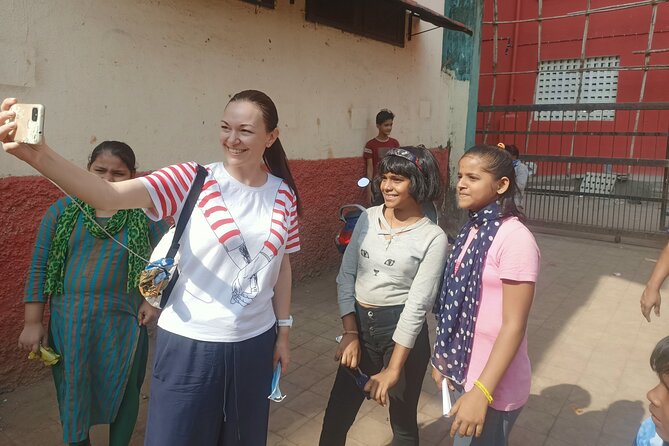
The guided walk in Dharavi lasts two hours. The full activity can run from two to seven hours, depending on the option selected and whether pickup, transport or additional stops are part of your plan. That distinction is worth checking carefully if you have a tight schedule.
The itinerary names possible drop-off points including Third Wave Coffee in Mumbai and Dhobi Ghat, but the exact arrangement varies. The pickup and meeting point may also differ by option, so do not assume the same route or end point applies to every booking.
Comfortable shoes are the one specific item to bring. You will be walking, and good footwear makes a practical difference on a neighborhood route. Bottled water is included, while meals and other drinks are not. Plan to eat separately, particularly if you choose one of the longer options.
Alcohol and drugs are not allowed, and nudity is prohibited. These rules are straightforward, but they underline that this is a guided visit to a residential community, not a party activity.
More tours and days out around Mumbai:
- Mumbai: Full-Day Sightseeing Tour of Mumbai
★ 4.9 · 1,822 reviews - Private Mumbai Sightseeing Tour (Traveller’s Choice Award Winner)
★ 5.0 · 1,565 reviews - Elephanta Caves & Island Guided Private Tour
★ 5.0 · 1,327 reviews - Group Guided Walking Tour in Fort and Colaba
★ 5.0 · 1,073 reviews
Is $8 Good Value?
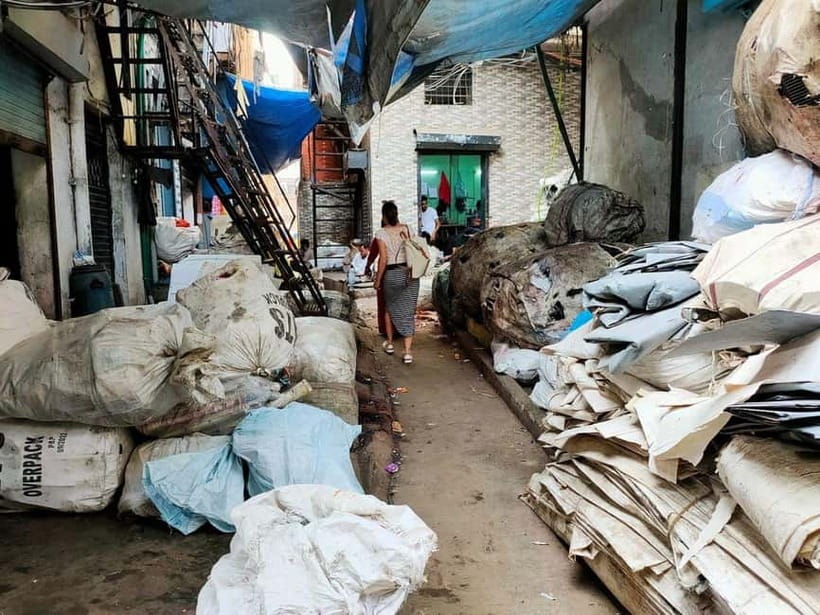
At a listed price of $8 per person, the tour looks like an inexpensive way to get a local introduction to Dharavi. The strongest value is not simply the number of stops. It is the combination of a local guide, an organized route through working areas and an explanation of industries you would have little reason to understand from the street alone.
Entry fees and bottled water are included. Depending on the option booked, the package also includes private transportation in an air-conditioned vehicle and hotel or port pickup and drop-off. Since the activity spans two to seven hours, those inclusions may vary by selection, so compare the exact option rather than assuming that every price includes the same services.
Meals and drinks are not included, though bottled water is. Factor in your own food costs if you are booking a longer outing. The listed price is a starting point for judging value, not a reason to skip checking what your particular booking covers.
You can reserve now and pay later, and cancellation is free up to 24 hours in advance for a full refund. Those terms offer some flexibility if your Mumbai schedule is still taking shape. The meeting point and start time, however, depend on the option, so confirm those details before setting off.
Who Will Appreciate This Tour Most?
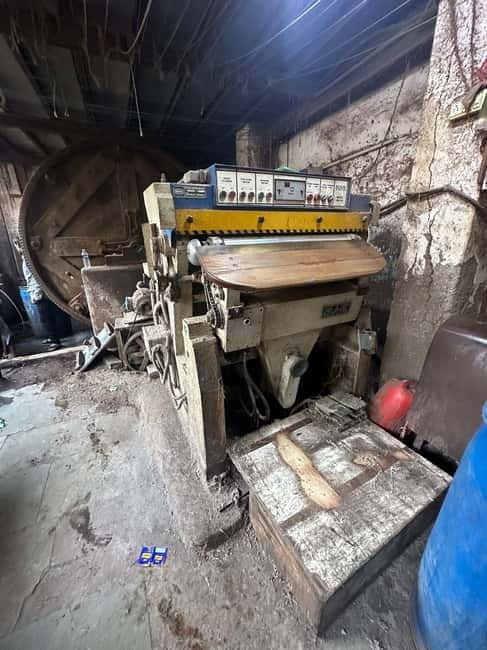
This is a strong choice if you want to understand a working side of Mumbai that is easy to miss on a standard city sightseeing route. It suits curious visitors who are comfortable walking through a residential area, asking questions and seeing small businesses at close range.
It is also a good fit if you are interested in recycling, informal industry or how goods are made. The plastic yard alone offers a tangible way to connect the city’s waste stream with products that can be sold again. Add leather, ceramics and garment work, and the walk becomes a broad introduction to the trades that operate in compact spaces.
You may want to choose another activity if you expect a conventional attraction with fixed exhibits, or if you are uncomfortable visiting a neighborhood where people are working and living nearby. The tour aims to counter stereotypes, but a two-hour walk can only offer a view of part of Dharavi. Go with curiosity, not the expectation that one visit will tell you everything.
Should You Book the Dharavi Slum Tour?
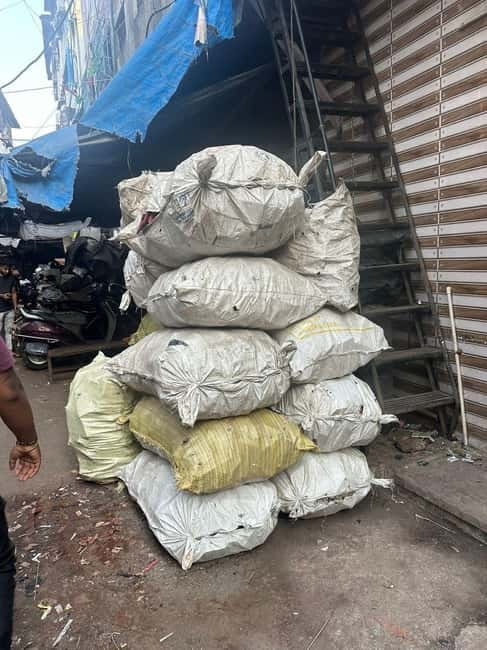
I would consider booking this tour if you want a thoughtful, guided introduction to Dharavi’s industries and daily life. Its clearest strengths are the recycling stop, the range of small-scale trades and the chance to hear from a local guide. The particularly warm accounts of guides such as Ruqaiyya make the human side of the experience sound as important as the route itself.
Before you pay, check the selected tour’s meeting point, start time, total duration and transport inclusions. The core walk is two hours, but options extend to seven hours, and the pickup and drop-off arrangements can vary. If those details suit your day, this is a useful, fairly priced way to see more than the stereotype and leave with a clearer sense of how Dharavi works.
FAQ
How long does the Dharavi tour last?
The guided walk in Dharavi lasts two hours. The full activity can take from two to seven hours, depending on the option you select.
What is the price?
The listed price starts at $8 per person. Check the selected option to see which transport and pickup services it includes.
Where does the tour start?
The starting point depends on the option booked. Mahim Railway Station is named as a starting point, and pickup may be available from your hotel or port.
What will I see during the walk?
The route includes a plastic and metal recycling yard in Dharavi’s thirteenth compound. The neighborhood’s small industries include plastic recycling, leather goods, ceramics and embroidered garments.
What languages are available?
Guides are available in English, Hindi and Marathi. Confirm your preferred language when choosing an option.
Is transportation included?
Private, air-conditioned transportation and hotel or port pickup and drop-off are included with applicable options. The exact arrangement depends on the option booked.
Are meals and drinks included?
Meals and drinks are not included. Bottled water is provided.
Can I cancel the booking?
Yes. You can cancel up to 24 hours in advance for a full refund.
Just added around Mumbai
- Victorian Gothic Heritage Quarter and Art Deco Walking Tour★ 4.9 · 14 reviews
- Mumbai Airport to Mumbai Hotels : Private Transfers★ 5.0 · 13 reviews
- Private Walking Tour in Dharavi Slums★ 5.0 · 7 reviews
- Mumbai Sightseeing Tour★ 5.0 · 11 reviews
- Mumbai by Night Guided Tour★ 5.0 · 6 reviews
- Vegetarian Indian Cuisine Virtual Cooking Class Experience from Mumbai★ 5.0 · 4 reviews
- Private Mumbai 2-Day Tour Package:City + Slum & Elephanta Island.★ 5.0 · 3 reviews
- Taj Mahal Day Trip Including Same Day Flights from Mumbai★ 5.0 · 3 reviews
Dharavi Slum Tours, compared.
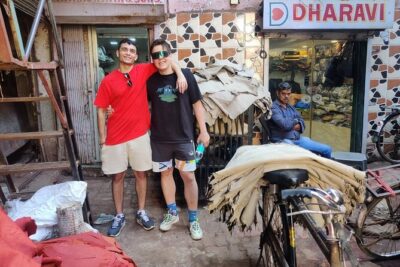
Dharavi slum tour in Mumbai by Female tour guides of the slum
Read our review →
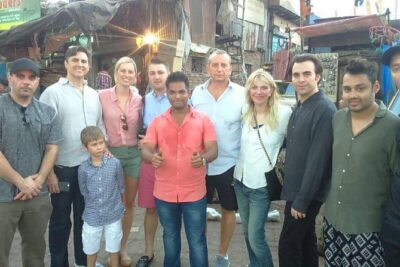

Dharavi Slum Slumdog Millionaire Tour with a Local
Read our review →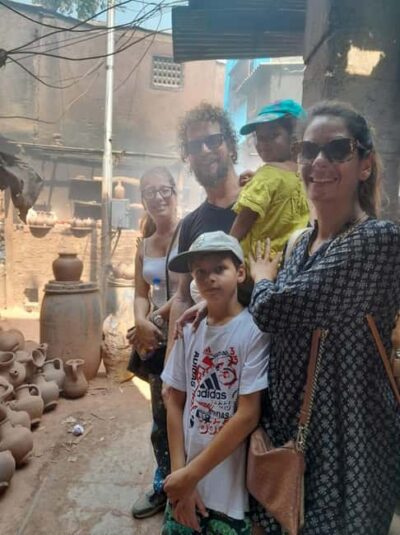
Mumbai Slum Tour – Visit Dharavi Slum with Local Guide
Read our review →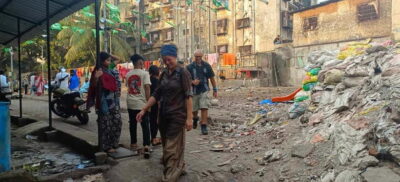
Dhobi Ghat Laundry and Dharavi Slum Tour with Local
Read our review →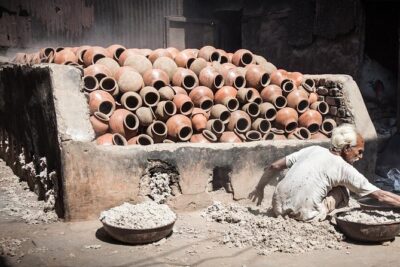
Browse the lists this tour appears in