

Reviewed · DHARAVI SLUM TOURS
Dharavi Slum Tour in Mumbai
Dharavi is not just a place to look at from a passing train. On this walking tour, a resident college student guides you through the neighborhood’s working lanes, including the 13th Compound recycling yard, where plastic is melted and moulded into products such as toys and buttons. The focus is on the people, trades and community behind the name.
I like two things in particular: your guide lives in Dharavi, so the explanations come from someone with a personal connection, and the walk covers both work and community life, not just industry. The small-scale recycling, pottery and other trades make the neighborhood’s economy easier to understand.
One consideration: this is a visit to a residential neighborhood, not a staged attraction. You’ll need to be comfortable walking through active work and home areas, and to be thoughtful about privacy. The listed tour is about two hours, though some accounts describe a longer walk, so leave room in your schedule.
The essentials at a glance
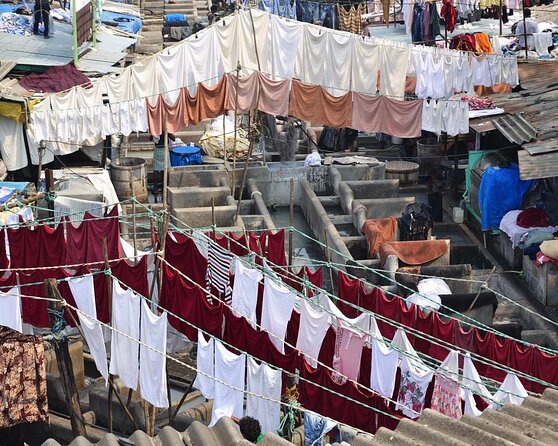
- A resident college student leads the walk: The guide’s connection to Dharavi is central to the experience and gives you a local point of view.
- The route begins at Mahim Railway Station: From there, you head to the recycling yard in 13th Compound.
- Industry is a major focus: Plastic and metal recycling are among the trades you may see, alongside pottery, soap production, paint cans, cardboard and leather work.
- You also get a look at community life: The walk may pass local schools and churches, as well as residential lanes.
- Expect a small format: The tour details specify a maximum of two travelers, a minimum booking of two people, and a choice of group or private tour. Confirm the format when booking.
- Bring solid walking shoes and dress modestly: Good shoes are a practical tip for the walk, and clothing that covers shoulders and knees is recommended.
Starting at Mahim Railway Station

The tour begins at Mahim Railway Station, then heads to the 13th Compound recycling yard. This first stretch gives the visit a useful frame: you are not being driven to a lookout or shown a distant view. You are entering the neighborhood on foot, with a guide who lives there.
The railway station is also a practical meeting point near public transportation. Hotel pickup is not included in the stated price, though it may be arranged separately. If you need pickup, ask the operator about the cost and details before you book.
Your guide is a college student from Dharavi. That matters. A guide who lives in the neighborhood can explain what you are seeing in the context of daily life, rather than treating the area as a spectacle. Guides named in accounts of this tour include Rajesh, Samir and Anton, with one account spelling the name Anthony. You cannot assume which guide you’ll get, but the resident-student format is part of the tour’s appeal.
The tour requires at least two people per booking. The details also say the maximum is two travelers, while offering group and private options. Since those points can sound contradictory, check the exact arrangement for your date before paying. Either way, the stated cap suggests a very small walk rather than a large group following a flag.
More Dharavi tours around Mumbai:
- Dharavi slum tour in Mumbai by Female tour guides of the slum
★ 5.0 · 1,976 reviews - Mumbai: Dharavi Slum, DhobiGhat, and Dabbawallas Tour
★ 4.9 · 689 reviews - Dharavi Slum Tour
★ 5.0 · 625 reviews
At the 13th Compound recycling yard
The first named stop is the plastic and metal recycling yard in 13th Compound. Here, small workshops melt and mould plastic, make buttons and produce toys, including Barbie dolls’ buttons described as made for the Indian market. This is a striking place to begin because it turns a broad idea, informal industry, into visible work and objects.
The scale is part of the lesson. Dharavi is often reduced to a label, but the tour shows how many livelihoods are tied to its workshops. Plastic recycling is the itinerary’s starting point; other trades mentioned along the walk include pottery, soap production, paint cans, cardboard and leather. You may not see every activity on every visit, but the range helps explain why the area is also a place of work and enterprise.
The workshops are active workplaces, not exhibits arranged for visitors. That can make the experience more revealing, but it also calls for care. Follow your guide’s lead, keep out of the way of workers, and ask before taking a close-up photograph of a person or their work. One guide has encouraged questions and photography, but that should not be read as blanket permission from everyone you meet.
The visit is not a lesson in manufacturing alone. As you move between work areas, your guide can help connect the trades to the broader community. The value lies in being able to ask questions as you go, rather than trying to interpret each lane from a map or a quick glance.
From workshops to homes, schools and churches
The walk continues through both commercial and residential parts of Dharavi. In one stretch, you may pass workshops where people earn a living; in another, the surroundings are part of ordinary home and community life. That shift is important. It reminds you that the people working in the neighborhood are also living there, raising families and taking part in local institutions.
Local schools and churches are among the places included in the tour overview. They offer a different lens from the workshops: one shows how people make a living, while the other points to the structures and routines that help a community function. The guide’s commentary is meant to address challenges as well as the neighborhood’s strengths, rather than presenting a one-sided account.
The walk takes you through small lanes, so it is a close-up experience by design. You are not simply looking across a boundary. That closeness can make the visit feel personal and informative, but it also raises a fair question: when does curiosity become intrusion? A guide can help set the tone, but your own conduct matters too. Keep your voice low, stay with the group, and treat homes and residents as private unless invited to engage.
The tour’s connection to Slumdog Millionaire is part of its public profile, but the film should not be your main guide to what you see. The neighborhood is a real place where people work and live, not a movie set. The walk’s strongest purpose is to replace a simplified image with a more grounded understanding of local industry and community life.
What the guide adds
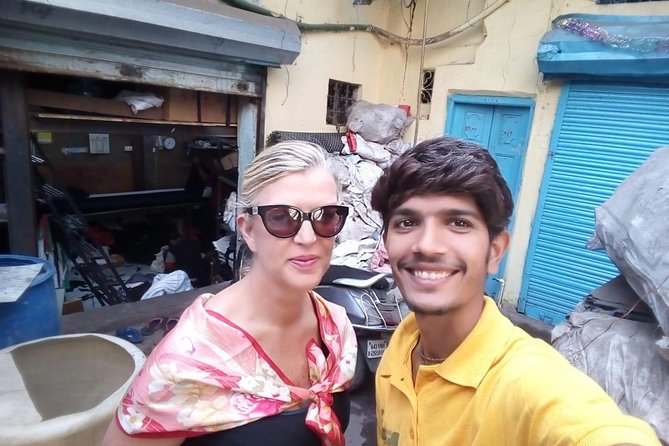
The resident guide is the reason this works better as a walking tour than as a self-guided visit. Without context, it can be hard to distinguish one workshop from another or understand how the different trades fit together. A guide can point out what is being made, explain the work, and answer questions about living and working in Dharavi.
The guides named in accounts of the tour include Rajesh and Samir, as well as Anton, whose name is also written as Anthony. Those names are useful clues to the personal nature of the experience, but they are not a promise about your assigned guide. The key point is that the guides are college students who live in Dharavi, and the stated purpose of the work is to help support their studies.
The tone matters as much as the facts. The tour is described as offering sensitive commentary, and the most useful version of this visit is one that balances hardship with dignity and local initiative. You should expect to hear about challenges, but also about the work ethic and range of small businesses that shape the area.
You do not need to arrive with a list of clever questions. Start with simple ones: What is made here? How does this workshop fit into the neighborhood? What would a visitor misunderstand if they only saw this place from outside? The walk is at its best when you listen first and let your guide set the context.
More tours and days out around Mumbai:
- Mumbai: Full-Day Sightseeing Tour of Mumbai
★ 4.9 · 1,822 reviews - Private Mumbai Sightseeing Tour (Traveller’s Choice Award Winner)
★ 5.0 · 1,565 reviews - Elephanta Caves & Island Guided Private Tour
★ 5.0 · 1,327 reviews - Group Guided Walking Tour in Fort and Colaba
★ 5.0 · 1,073 reviews
Time, price and what is included
The listed price is $70 per person for an experience of about two hours. That is not a bargain-priced sightseeing loop, but its value depends on what you want from a visit. You are paying for a local guide, a small-scale walking experience and access to explanations that would be difficult to assemble on your own. Group discounts are listed, and private tours are an option.
The timing deserves a little flexibility. The stated duration is approximately two hours, while some descriptions of the walk put it closer to two or three hours. If you have a train to catch or another fixed appointment, do not plan the rest of your day down to the minute. Ask the operator what duration to expect for your chosen option.
A local guide is included. Lunch is included only if you select the tour option that includes it. Food and drinks are otherwise not included, so check the option details rather than assuming a meal comes with the base booking. Hotel pickup and drop-off are also not included, although pickup may be arranged.
The price makes the most sense if you want a guided, respectful introduction to Dharavi rather than a quick photo stop. The tour’s limited scale and resident-led commentary are meaningful benefits. Still, if your main interest is a broad overview of Mumbai or a long list of landmarks, this is a focused neighborhood visit, not a general city tour.
Practical choices before you go
Wear comfortable, solid walking shoes. This is a walking tour through narrow lanes and working areas, and good footwear is the clearest practical advice for staying comfortable. You should also dress conservatively: shoulders and knees covered is recommended in India, and it is a considerate choice for a visit to a residential community.
The tour is listed as suitable for people with a moderate level of physical fitness. It is not presented as a strenuous hike, but you will be on foot and moving through the neighborhood for much of the visit. If walking is difficult for you, ask the operator about the route before booking.
Photography is a matter for judgment. A guide may encourage photos, but residents at work or at home should not be treated as scenery. Ask before photographing people, and respect a no without debate. That small courtesy helps keep the visit human rather than turning it into a collection of images.
There is a free-cancellation window: you can cancel at least 24 hours before the start for a full refund. Changes made inside 24 hours are not accepted, and cancellations inside that period are not refunded. The experience also requires a minimum number of participants; if that minimum is not met, you are offered another date or experience, or a full refund.
Is the Dharavi walk right for you?
Book this if you want to understand how work and community fit together in Dharavi, and if you are comfortable entering a lived-in neighborhood with care. The resident college student guide, the visit to 13th Compound and the mix of workshops and community spaces give the walk a clear purpose. It is especially useful if you want more than a distant view or a story shaped by a film.
Skip it if you are looking for a polished attraction, a broad tour of Mumbai or a setting designed mainly for photos. This is a close-up visit to a real neighborhood, and your attention should be on listening as much as looking. If that sounds like the kind of travel experience you value, the two-hour walk can add context that a city itinerary often misses.
FAQ

Where does the tour start?
It begins at Mahim Railway Station. From there, the walk heads to the plastic and metal recycling yard in 13th Compound.
How long does the tour last?
The listed duration is approximately two hours. Some descriptions place the walk at two to three hours, so allow extra time if your schedule is tight.
Who leads the tour?
A college student who lives in Dharavi leads the walk. Guides named in accounts of the tour include Rajesh, Samir and Anton, also spelled Anthony, but a specific guide is not guaranteed.
What kinds of work might I see?
The tour focuses on plastic and metal recycling. Pottery, soap production, paint cans, cardboard and leather work are also mentioned as activities in the neighborhood.
Is hotel pickup included?
No. Hotel pickup and drop-off are not included in the stated price, though pickup may be arranged separately.
Is lunch included?
Lunch is included only if you choose the tour option that includes it. Food and drinks are otherwise not included.
What should I wear?
Modest clothing that covers your shoulders and knees is recommended. Solid walking shoes are also a good choice.
Can I cancel for a refund?
Yes, if you cancel at least 24 hours before the experience starts, you can receive a full refund. Cancellations made less than 24 hours before the start are not refunded.
Just added around Mumbai
- Victorian Gothic Heritage Quarter and Art Deco Walking Tour★ 4.9 · 14 reviews
- Mumbai Airport to Mumbai Hotels : Private Transfers★ 5.0 · 13 reviews
- Private Walking Tour in Dharavi Slums★ 5.0 · 7 reviews
- Mumbai Sightseeing Tour★ 5.0 · 11 reviews
- Mumbai by Night Guided Tour★ 5.0 · 6 reviews
- Vegetarian Indian Cuisine Virtual Cooking Class Experience from Mumbai★ 5.0 · 4 reviews
- Private Mumbai 2-Day Tour Package:City + Slum & Elephanta Island.★ 5.0 · 3 reviews
- Taj Mahal Day Trip Including Same Day Flights from Mumbai★ 5.0 · 3 reviews
Dharavi Slum Tours, compared.
Dharavi slum tour in Mumbai by Female tour guides of the slum
Read our review →


Dharavi Slum Slumdog Millionaire Tour with a Local
Read our review →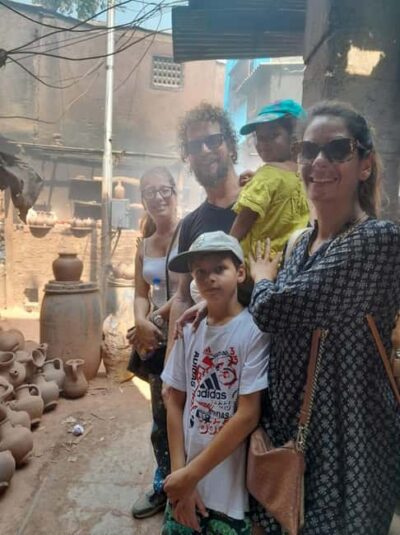
Mumbai Slum Tour – Visit Dharavi Slum with Local Guide
Read our review →
Dhobi Ghat Laundry and Dharavi Slum Tour with Local
Read our review →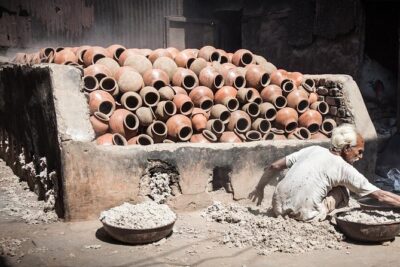
Browse the lists this tour appears in