

Reviewed · DHARAVI SLUM TOURS
Dharavi Slum Tour & Mumbai Sightseeing
Dharavi is more than a stop on a city tour. Its narrow lanes lead past recycling work, bakeries, sweet shops, and small manufacturing units, offering a close look at how people live and work in a part of Mumbai often reduced to a label. Then the day shifts to landmarks such as the Gateway of India, Dhobi Ghat, and the grand old railway station.
I like two things about this outing: the private car and adaptable guide make it easier to cover a wide city, and the mix of Dharavi with historic sights gives you more than a standard monument circuit. One consideration: six hours is a brisk window for Mumbai, and the Dharavi visit may feel intense if you prefer a slower, less crowded walk.
What makes this Mumbai tour useful
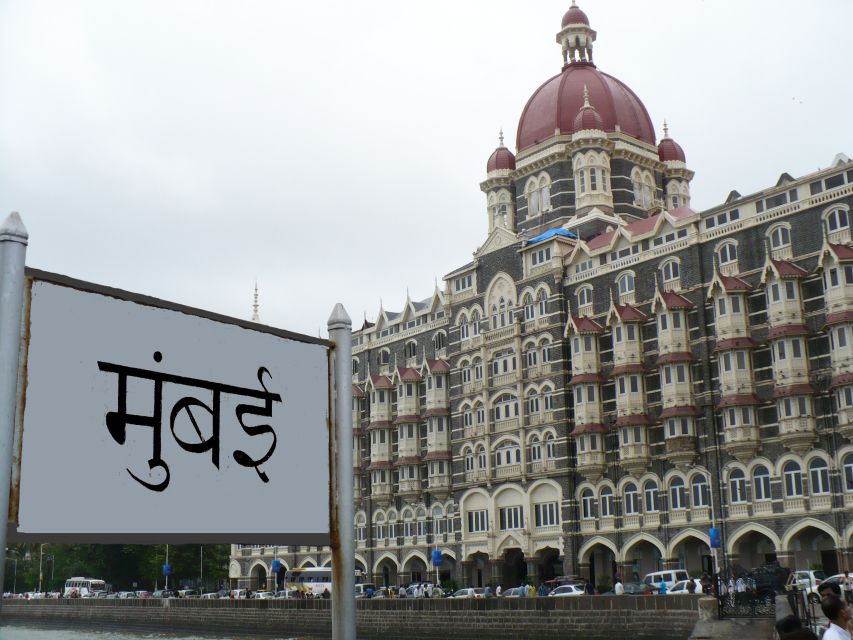
- Dharavi gets the longest stop: Set aside 110 minutes for its narrow lanes, recycling yards, bakeries, and workshops.
- The route pairs everyday work with famous landmarks: Visit the Gateway of India, Dhobi Ghat, CST, and Mani Bhavan in one outing.
- A private car helps link distant sights: Air conditioning, tolls, parking, and taxes are included in the $70-per-person price.
- Your guide can shape the day around your interests: Past guides have included Dev, Dhermesh, Sunny, and Siddhi, though names can vary.
- This is sightseeing, not a food tour: Lunch is not included, and you should bring water.
- Dress with the rules in mind: Shorts are not allowed.
A day that moves from Dharavi to colonial Mumbai
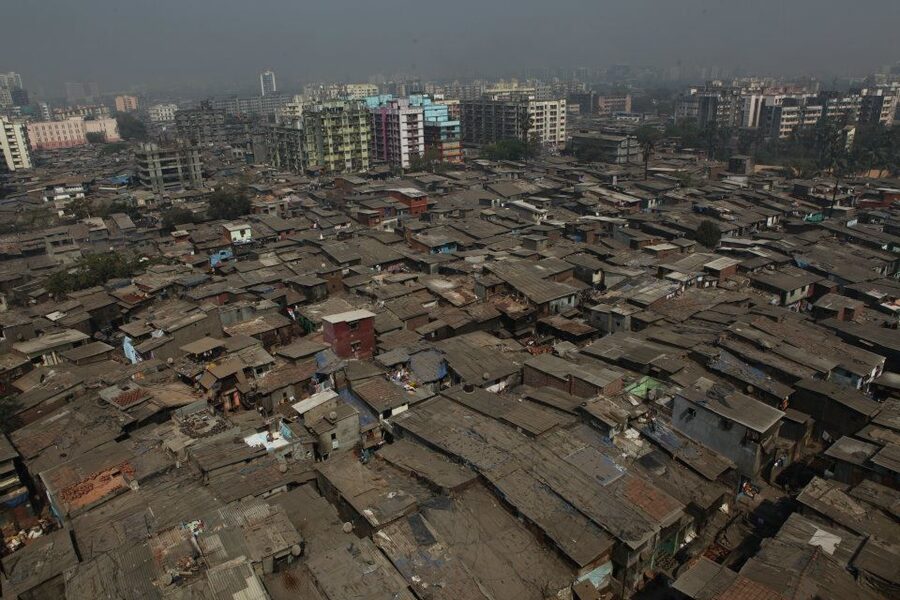
The tour is built around contrasts. In Dharavi, you see the work and close-knit daily life of an enormous urban community; elsewhere, you encounter Mumbai’s monumental gateways, colonial-era buildings, sea-facing drive, and open-air laundry. That mix is useful if you have only one day and want more than a succession of photo stops.
The outing lasts six hours, with a private group, an English-speaking guide, and an air-conditioned car. The schedule gives Dharavi about 110 minutes, while the other listed stops receive roughly 15 to 25 minutes each. That balance makes sense: Dharavi needs time on foot, while the car helps connect far-flung sights in a city where distances matter.
The tour information gives a hotel pickup, while the route also names Friends Colony as the pickup and return point. Provide your hotel details and confirm the exact meeting place when arranging the tour. Some earlier outings have also started at a cruise port, and guides have been flexible about requests and priorities.
More Dharavi tours around Mumbai:
- Dharavi slum tour in Mumbai by Female tour guides of the slum
★ 5.0 · 1,976 reviews - Mumbai: Dharavi Slum, DhobiGhat, and Dabbawallas Tour
★ 4.9 · 689 reviews - Dharavi Slum Tour
★ 5.0 · 625 reviews
Walking Dharavi’s working lanes
Dharavi is the emotional center of the day, and the reason to choose this tour over a quick city drive. You walk through narrow lanes and by-lanes, passing local bakeries and sweet shops, small soap and cosmetics makers, tailor shops, and compact cyber cafes. The route also heads toward plastic and metal recycling yards, where the scale and practical ingenuity of local work become more apparent.
The 110-minute visit is long enough to take in several sides of the neighborhood, but it is not a leisurely deep exploration. You will be walking through tight spaces as local residents go about their day. The surroundings are lived-in, not staged for sightseeing, so a respectful manner matters: follow your guide, keep the path clear, and ask before taking photographs.
Kumbharwada, a pottery area within Dharavi, is also part of the experience. The tour frames the neighborhood as a place with a strong community and a distinct spirit, not simply as a site of hardship. That is an important distinction. You are seeing a working community, with livelihoods and routines, rather than a set built for visitors.
An informed local guide adds context that the lanes alone cannot provide. Past tours have included guides named Dhermesh and Dev, among others, but you should not assume a particular person will lead your outing. The most useful guide is one who can explain what you are seeing and respond to your questions without making the neighborhood feel like a spectacle.
Dharavi may be confronting, especially if you have never visited a densely populated area like this. Go with curiosity, patience, and the understanding that this is a visit to a residential and work area. If you want an easy, polished attraction with wide paths and quiet viewing spots, this part of the tour may not suit you.
The Gateway of India and the Taj Mahal Palace
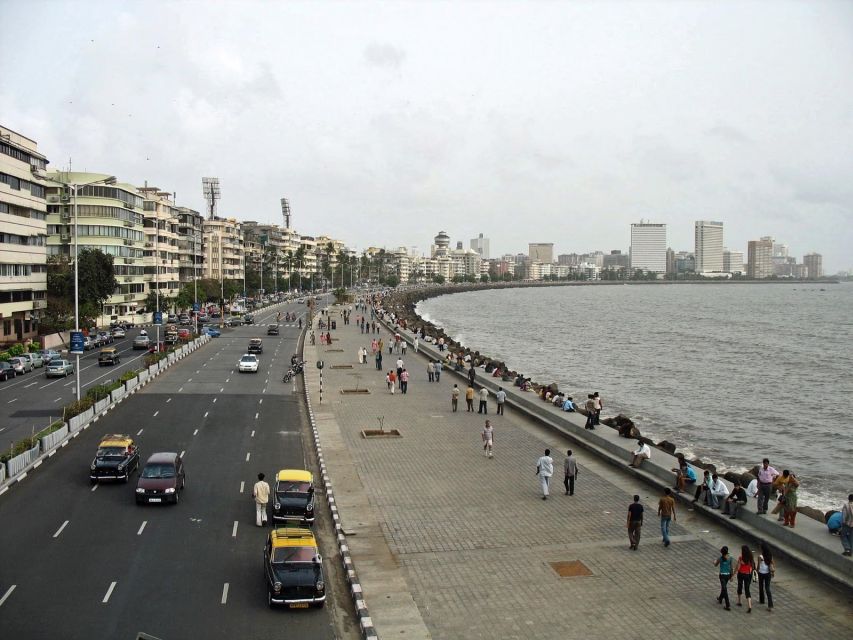
The Gateway of India is one of Mumbai’s defining monuments. It was built to welcome King George V and Queen Mary to India, and the tour allows about 20 minutes here for a guided visit, a walk, and photographs. That is enough to see the structure and hear its basic story, though not enough for an extended stop.
Just around the corner is the Taj Mahal Palace hotel. Its original building was commissioned by Jamshedji Tata and opened to guests on December 16, 1903. The pairing gives you a quick lesson in Mumbai’s layered past: a ceremonial gateway on the waterfront and a landmark hotel with a history of its own.
There is also time for shopping listed at the Gateway stop, but the schedule is short. Treat it as a chance to look around rather than a dedicated shopping session. The private format may allow some adjustment, but the day’s many stops mean there is a limit to how long you can linger.
Marine Drive, CST, and Mumbai’s grand buildings
Marine Drive gets about 15 minutes for a photo stop, guided sightseeing, and a short walk. The curve of the road is known as the Queen’s Necklace, a name tied to the line of lights along the waterfront. It is a brief taste of the city’s coastal edge, not a long seaside break.
Chhatrapati Shivaji Maharaj Terminus, often called CST, receives about 25 minutes. This UNESCO World Heritage Site is a railway station as well as a major architectural landmark. Even from a short visit, you can appreciate its elaborate British-era design and the fact that it remains part of the city’s working transport system.
The broader drive can also pass several notable buildings: Mumbai University, founded in 1857; the Rajabai Clock Tower, sometimes called the Big Ben of India; Bombay High Court; the Prince of Wales Museum; Maharashtra Police Headquarters; Flora Fountain and Hutatma Chowk; the Telegraph Office; the India Post Office building; Kala Ghoda; David Sassoon Library; and the National Gallery of Modern Art. These are largely viewed on the way, rather than each receiving a full stop, so think of them as a moving introduction to the city’s architecture.
Oval Cricket Ground adds a glimpse of cricket’s place in Indian life. The tour’s value here is partly in the guide’s commentary: a city drive can otherwise become a blur of buildings and traffic. Past guides such as Siddhi have adapted explanations to visitors’ interests, though the pace and guide will vary.
More city tours around Mumbai:
- Mumbai: Full-Day Sightseeing Tour of Mumbai
★ 4.9 · 1,822 reviews - Private Mumbai Sightseeing Tour (Traveller’s Choice Award Winner)
★ 5.0 · 1,565 reviews - Highlights of Mumbai Sightseeing Tour: TRAVELLERS CHOICE AWARDED
★ 5.0 · 915 reviews - Highlights of South Mumbai Guided Private Tour in AC Vehicle
★ 5.0 · 620 reviews
Mani Bhavan and the Dhobi Ghat laundry
Mani Bhavan, Mahatma Gandhi’s residence in Mumbai, gets about 25 minutes for a guided visit and walk. It offers a change of scale after the city’s grand public buildings: this is a place connected to Gandhi’s life and work in the city. The stop is especially worthwhile if you want political history alongside architecture.
Dhobi Ghat is Asia’s largest open-air laundry, where clothes are washed. Allow about 25 minutes for the view and explanation. Its rows of washing areas make visible a huge piece of the city’s daily service economy. It is a striking stop, though the visit is brief and focused on observing the work rather than taking part in it.
The tour’s sequence helps put these places in context. Dharavi shows work within neighborhood lanes; Dhobi Ghat shows a large-scale laundry operation; Mani Bhavan connects the city to a major figure in India’s independence movement. Together, they add human and social history to the better-known monuments.
Kamala Nehru Park and the Hanging Gardens
The route includes Kamala Nehru Park, noted for its skyline view and the Old Woman’s Shoe, a shoe-shaped structure that is a familiar local sight. It is a quick, 15-minute stop, so expect a short walk and a view rather than a long park visit.
Nearby, the Hanging Gardens sit above water tanks near the Tower of Silence, a Parsi burial place. The tour description includes both gardens and the burial site in its broader sightseeing route, though it does not specify a separate stop or visit inside the Tower of Silence. The gardens offer a different perspective on the city after the dense streets and built-up central sights.
The wider route also mentions a Jain temple and Banganga Tank. These places add religious and local history to the city circuit, but the timed itinerary does not give them separate durations. If one is especially important to you, ask the guide whether the route can prioritize it.
What the $70 price covers
At $70 per person, the price buys more than a car ride. It includes an air-conditioned car, an English-speaking guide, tolls, parking, and taxes, with no hidden costs stated. A private group also gives you more room to ask questions or request a shift in priorities than you would have on a large scheduled bus tour.
The value is strongest if you are short on time, want to see several parts of Mumbai, or would rather not work out transport between far-apart sights yourself. A past solo visitor noted that a private outing can feel expensive for one person. That is a fair point: the per-person cost is easier to justify when shared by a group, while a solo traveler pays the full value of a private setup.
Lunch is not included. Bring water, as one past visitor specifically advised, and plan your meal around the six-hour schedule. The tour details do not promise a lunch stop, so ask in advance if you need one built into the route.
Who should choose this tour
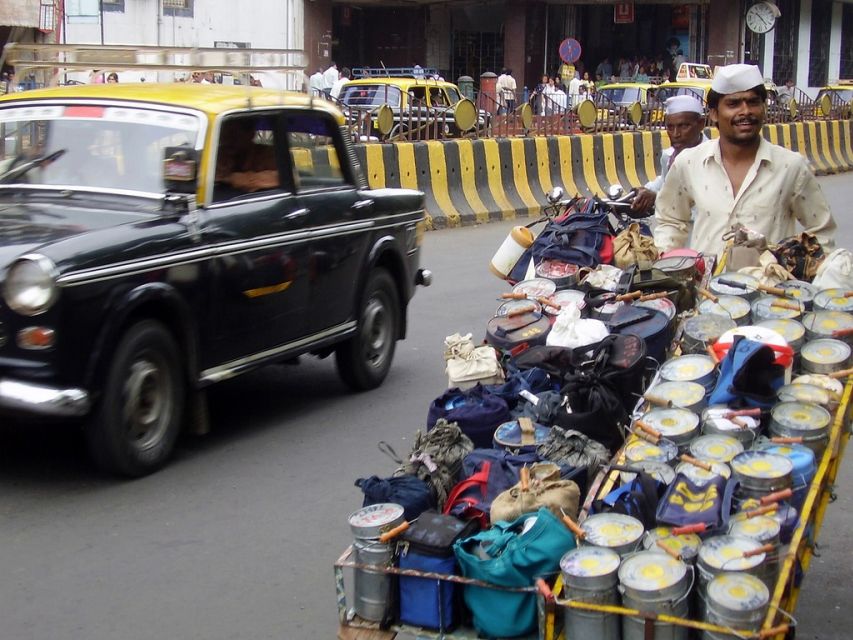
This is a strong fit for a first visit to Mumbai, especially if you have one full day and want both headline sights and a closer look at everyday work. The private format is helpful for couples, families, or small groups who value direct conversation and a flexible pace. It also suits visitors curious about Dharavi who want a guide to explain the neighborhood rather than walk through it alone.
It is less suitable if you want to spend a full day in one area, have a slow museum-focused itinerary, or dislike crowded narrow lanes. The many stops are a strength for coverage, but they also mean you will spend a good portion of the day moving between places and will have limited time at most individual landmarks.
Dress appropriately: shorts are not allowed. English is the stated tour language. The activity offers free cancellation up to 24 hours in advance, and a reserve-now, pay-later option is available, which can help if your Mumbai plans are still taking shape.
Should you book it?

Book this tour if you want a guided introduction to Mumbai that balances famous sights with the working lanes of Dharavi. Its best feature is the combination: you get a substantial neighborhood walk, then a broad city circuit without having to arrange each transfer yourself.
Skip it if you prefer a slow pace or want to spend most of your day at just one or two locations. Before booking, confirm your pickup point, tell the guide which stops matter most, and bring water. For a first day in Mumbai, the mix of local context and landmark coverage makes the price reasonable, particularly when you share the private car.
FAQ
How long is the tour?
The tour lasts six hours. Dharavi is scheduled for about 110 minutes, with shorter visits at the city sights.
What is the price?
The listed price is $70 per person.
Is the tour private?
Yes. It is offered for a private group.
What is included in the price?
An air-conditioned car, an English-speaking guide, tolls, parking, and taxes are included. No hidden costs are stated.
Is lunch included?
No. Lunch is not included.
Where does pickup take place?
Hotel pickup is included, and you are asked to provide your hotel details. Friends Colony is also named as the pickup and return point, so confirm the exact meeting location.
What language does the guide speak?
The stated tour language is English.
Are shorts allowed?
No. Shorts are not allowed.
Just added around Mumbai
- Victorian Gothic Heritage Quarter and Art Deco Walking Tour★ 4.9 · 14 reviews
- Mumbai Airport to Mumbai Hotels : Private Transfers★ 5.0 · 13 reviews
- Private Walking Tour in Dharavi Slums★ 5.0 · 7 reviews
- Mumbai Sightseeing Tour★ 5.0 · 11 reviews
- Vegetarian Indian Cuisine Virtual Cooking Class Experience from Mumbai★ 5.0 · 4 reviews
- Private Mumbai 2-Day Tour Package:City + Slum & Elephanta Island.★ 5.0 · 3 reviews
- Mumbai by Night Guided Tour★ 5.0 · 6 reviews
- Taj Mahal Day Trip Including Same Day Flights from Mumbai★ 5.0 · 3 reviews
Dharavi Slum Tours, compared.

Dharavi slum tour in Mumbai by Female tour guides of the slum
Read our review →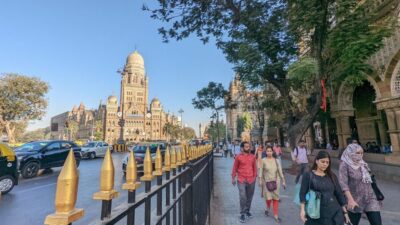


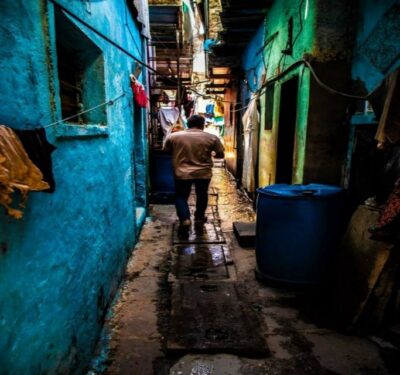
Dharavi Slum Slumdog Millionaire Tour with a Local
Read our review →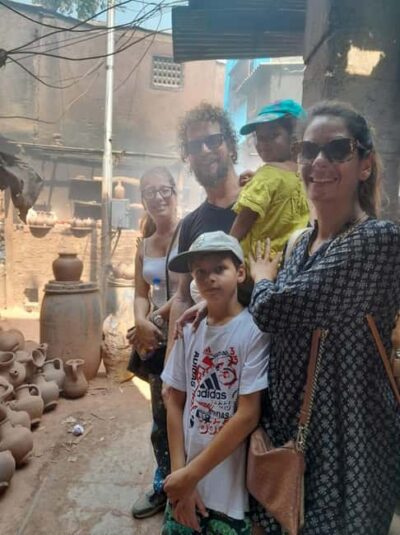
Mumbai Slum Tour – Visit Dharavi Slum with Local Guide
Read our review →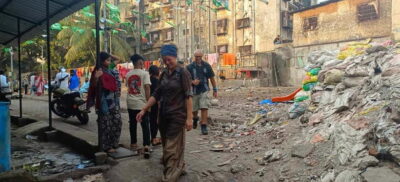
Dhobi Ghat Laundry and Dharavi Slum Tour with Local
Read our review →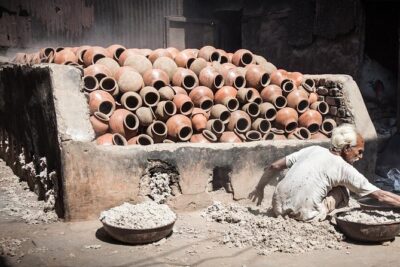
Browse the lists this tour appears in