
Reviewed · DHARAVI SLUM TOURS
Dharavi Slum Walking Tour: Daily Life in Asia’s Largest Slum
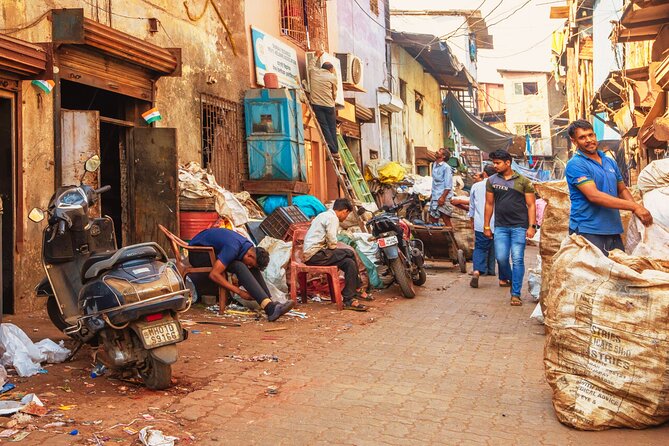
Dharavi makes more sense on foot than through a passing car window. This small-group walk takes you from working industrial lanes into residential passages, then to Kumbharwada, where potters continue a craft passed down through generations.
I like two things about this route: it shows Dharavi as a place where people live and work, not just as a symbol of poverty, and a local guide can explain the industries and daily routines you would likely miss on your own. Guides such as Sufiyan and Bala have been praised for clear explanations and personal insight.
One consideration: the narrow residential lanes can feel close and busy, and the subject calls for care and respect. This is a look at people’s homes and workplaces, not a staged attraction, so come ready to listen and follow your guide’s lead.
Key points
- Workshops before stereotypes: See how recycling, leatherwork, pottery, food production and textiles shape daily work in Dharavi.
- A local voice: The guide speaks Hindi and English, and guides named Sufiyan and Bala have led tours.
- Kumbharwada’s pottery tradition: The walk ends in the historic potters’ colony, where artisans shape clay pots using inherited techniques.
- A close-up of home life: The route moves through residential lanes where families cook, children play and neighbors talk.
- Small group, short walk: The group is capped at 15, and the tour lasts about two hours, sometimes up to two and a half.
- Low-cost, high-context outing: At $5.59 per person, this is an inexpensive way to understand a part of Mumbai many visitors otherwise see only from a distance.
Start at Third Wave Coffee, then enter Dharavi
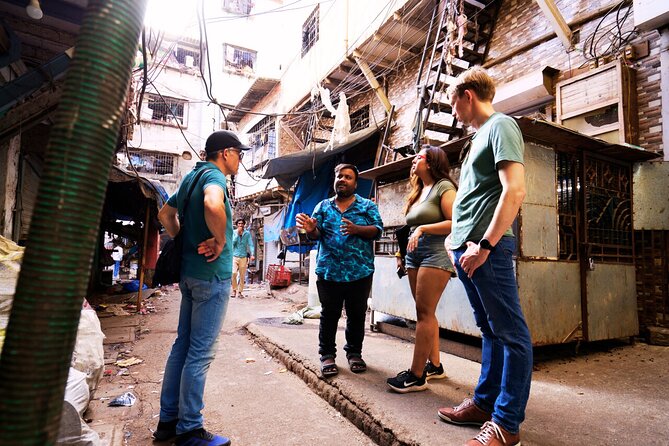
The meeting point is Third Wave Coffee at Tip Road, Unit no. 58, Ground, Ram Mahal, Senapati Bapat Marg, Marinagar Colony, Mahim, Mumbai. You begin outside the neighborhood, then walk in with your guide rather than trying to navigate its lanes alone.
That guided entry matters. Dharavi is a large, working neighborhood, and a local guide can help make sense of what you are seeing, explain the different kinds of work, and answer questions as they arise. The guide speaks Hindi and English, which helps connect the tour’s details with the wider story of daily life.
The route begins in an industrial area. You may see recycling, leatherwork, pottery, food production and textiles, all presented as parts of a local economy rather than as isolated curiosities. The point is not simply to look at workshops. It is to understand how work, home and community fit together in a place where space is limited and livelihoods are made close to where people live.
Follow the work through the industrial lanes

Dharavi is often described as Asia’s largest slum, but that label can flatten a complicated place into a single image. The tour gives you a more useful frame: an active neighborhood with small businesses and people making a living through skilled work.
Recycling is one of the industries named on the route, alongside leather, pottery, food and textiles. You can expect your guide to explain the activities you pass and how they relate to life in Dharavi. The supplied details do not promise a visit inside every workshop, so think of this as a guided walk through working areas, not a series of formal factory tours.
This is where a guide’s local insight becomes especially valuable. Sufiyan and Bala are among the guides named by people who have taken the tour. Sufiyan has been described as someone born and raised in the neighborhood, while Bala was praised for putting figures into more understandable terms. Your guide may be someone else, but the experience depends heavily on having a person who can explain the setting clearly and answer questions.
I would bring curiosity, not a checklist of dramatic sights. Some of the most useful details may be small: what is being made, how people use a particular space, or how a neighborhood industry works. You are there to learn, and the walk’s value rests more on context than on a big landmark.
More Dharavi tours around Mumbai:
- Dharavi slum tour in Mumbai by Female tour guides of the slum
★ 5.0 · 1,976 reviews - Mumbai: Dharavi Slum, DhobiGhat, and Dabbawallas Tour
★ 4.9 · 689 reviews - Dharavi Slum Tour
★ 5.0 · 625 reviews
Enter the residential lanes with care
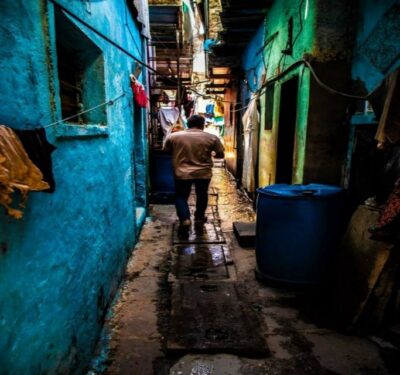
After the industrial section, the walk turns into narrow residential lanes. Here the focus shifts from work to ordinary routines: children playing, families cooking and neighbors talking across doorsteps. These are not scenes arranged for a tour. They are glimpses of home life in a densely lived-in neighborhood.
That change in pace is important. You see that Dharavi is not only a place of production, but also a community where people raise families and share everyday space. A guide can help you understand what you are looking at without reducing residents to background scenery.
The close quarters are also the tour’s main point of sensitivity. Some visitors may find it uncomfortable to walk through residential areas as an outsider. If that is you, it is worth considering your reasons for going and how you plan to behave. Listen when your guide explains local norms, avoid treating people’s homes as exhibits, and ask before taking photographs. The tour is designed to foster understanding and connection, but respect is still your responsibility.
The group limit of 15 helps keep the walk from becoming a large procession. It does not make the lanes private or remove the need for discretion, but it gives the guide a better chance to speak with the group and respond to questions. If you prefer a very quiet, private visit, note that this is a shared group tour, not a one-to-one walk.
Finish among the potters of Kumbharwada
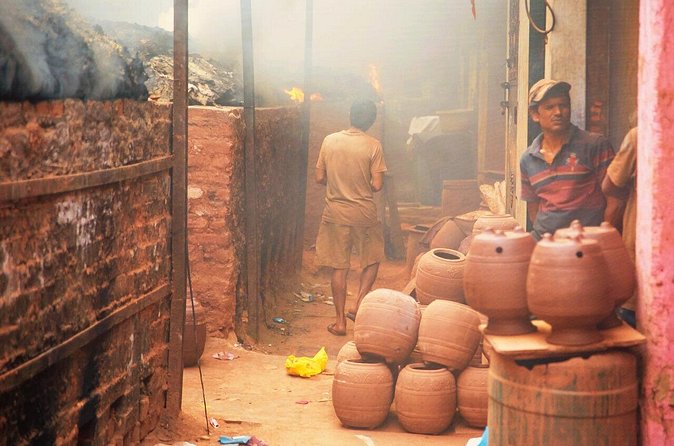
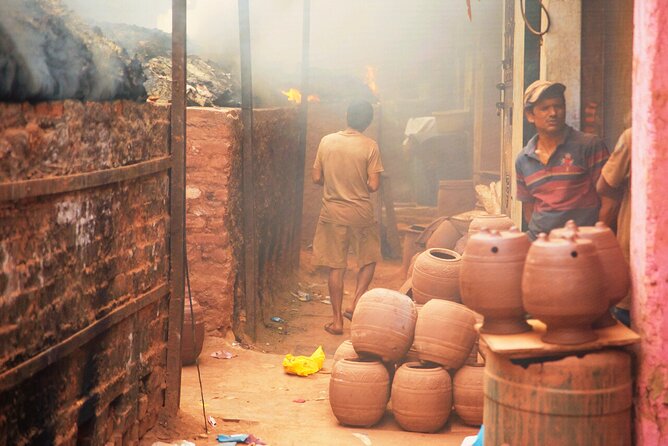
The walk concludes in Kumbharwada, Dharavi’s historic potters’ colony. This is the route’s clearest craft-focused stop. Artisans shape clay pots using traditions passed down through generations, giving you a chance to see a specific skill within the wider mix of neighborhood industries.
Kumbharwada gives the walk a strong ending because it brings the themes of work, family and local knowledge together. Pottery is not presented as a museum display. It remains part of a living community and a continuing trade. You can watch the process and hear your guide explain its place in the area.
Dhobi Ghat is also named among the tour’s key sites, though the detailed route description focuses on the industrial area, residential lanes and Kumbharwada. If visiting Dhobi Ghat is especially important to you, confirm the exact route before booking rather than assuming it is included on every departure.
The tour ends at Sunder Vilas, 90 Feet Road, Muslim Nagar, RP Nagar, Dharavi. That is a different location from the coffee shop meeting point, so plan for the walk to finish in the neighborhood rather than return you to where you started.
What the guide adds to the experience
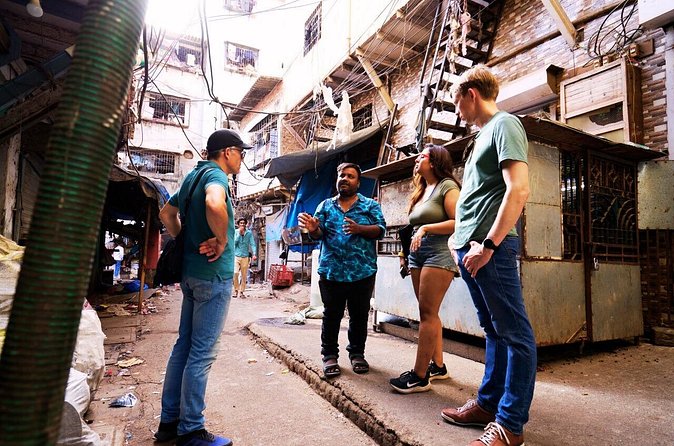
The guide is the main reason to choose this walk over wandering through Dharavi without one. An English- and Hindi-speaking guide can explain the work you see, give context to the residential areas, and help you ask questions in a respectful way. The guide’s ability to make details clear is especially useful when the subject is unfamiliar or when a statistic alone would not tell you what daily life feels like.
Names associated with past tours include Sufiyan and Bala. Sufiyan’s personal connection to Dharavi, described as having been born and raised there, can bring a local perspective that a visitor cannot supply. Bala has been praised for explaining numbers in ways that make them easier to grasp. These names are useful clues, but they are not a guarantee that either person will lead your departure.
The tour is described as an opportunity to meet residents and hear their stories. Treat that as a chance for human connection, not a promise that every stop includes a conversation. People are at work and at home, and their availability may vary. The guide can introduce the setting, but the value of the walk does not depend on turning every resident into a source of information.
More walking tours around Mumbai:
- Group Guided Walking Tour in Fort and Colaba
★ 5.0 · 1,073 reviews - Private Guided Walking Tour in Fort & Colaba
★ 5.0 · 895 reviews - Private Guided Walking Tour in Bandra Queen of Suburbs
★ 5.0 · 383 reviews - Private Guided Spiritual Walk in Banganga Hindu Temples
★ 5.0 · 271 reviews
Is two hours enough to understand Dharavi?
Two hours, or sometimes up to two and a half, is enough for an introduction, not a full account of life in Dharavi. The route covers a range of settings: industrial, residential and craft-focused. That mix gives you more perspective than a brief drive-through, while keeping the visit manageable within a Mumbai itinerary.
The pace is likely to feel more like a guided neighborhood walk than a sequence of long stops. You should expect to keep moving through narrow lanes and to spend time listening as the guide explains what you are seeing. The route requires a moderate level of physical fitness, so consider that if walking is difficult for you.
Small groups make a difference in a neighborhood where space is tight. The maximum is 15 people, which gives the tour an upper limit without promising an intimate private outing. If the group is full, you will still be sharing the experience with others, so stay close enough to hear the guide and be mindful of residents moving through the same lanes.
Does $5.59 represent good value?
At $5.59 per person, this is a low-cost guided activity for a roughly two-hour walk. The value is not in a long list of included attractions. It is in having a local guide translate the industries, residential routines and pottery tradition into a more complete picture of Dharavi.
That kind of context can change how you understand the neighborhood. Without it, you might notice only crowded lanes or unfamiliar work. With a guide, you can learn about recycling, leatherwork, food production, textiles and pottery as livelihoods, and hear stories that place those activities within community life.
The price makes the tour an easy addition for many budgets, but it should not be the only reason to book. If you are seeking a light sightseeing stroll or a polished presentation, this may not be the right fit. The subject can be confronting, and the route goes through real homes and workplaces. Book because you want to listen and learn, not because you expect a spectacle.
The tour has a 5 out of 5 rating from 39 reviews, with 100 percent recommending it. The most consistently praised elements are the guide’s clarity, local insight, and ability to make the walk feel informative and safe. Those are precisely the qualities that matter most here, though the experience will still vary with the guide and the group on your day.
Practical details before you go

The experience uses a mobile ticket, and confirmation is provided at booking. It is near public transportation, but the supplied details do not specify a particular station or route, so check your own directions to Third Wave Coffee before setting out.
Wear shoes and clothing suitable for walking, and arrive prepared for about two hours on foot. That is practical advice based on the stated duration and moderate fitness requirement, rather than a claim about a specific surface or weather condition. The tour requires good weather; if poor weather cancels it, you are offered another date or a full refund.
You can cancel for a full refund up to 24 hours before the start time. Cancellations or changes made less than 24 hours before the experience are not accepted for a refund, and the cut-off follows local time. These terms are worth checking if your Mumbai plans are still shifting.
Who should book this Dharavi walk?

This tour suits you if you want to understand Mumbai beyond its major sights and are comfortable walking through a residential community with a guide. It is especially useful if you are curious about local industries and want a grounded introduction to the mix of work and home life in Dharavi.
It may not suit you if you are uncomfortable visiting a lived-in neighborhood as an outsider, need a fully private tour, or are looking for a relaxed, conventional sightseeing route. The walk is short and inexpensive, but its subject deserves attention and restraint.
I would book it for the guide-led context, the range of work on the route and the chance to see Kumbharwada’s pottery tradition. Go with open questions, listen more than you photograph, and treat the people you encounter as neighbors going about their day, not part of a display.
FAQ
How long is the Dharavi walking tour?
The guided walk lasts about two hours, with the tour duration also described as two to two and a half hours.
How much does the tour cost?
The listed price is $5.59 per person.
Where does the tour start?
It starts at Third Wave Coffee, Tip Road, Unit no. 58, Ground, Ram Mahal, Senapati Bapat Marg, Marinagar Colony, Mahim, Mumbai.
Where does the tour end?
It ends at Sunder Vilas, 90 Feet Road, Muslim Nagar, RP Nagar, Dharavi, Mumbai.
What language does the guide speak?
The local guide speaks Hindi and English.
How many people can join the tour?
The maximum group size is 15 travelers.
What places and activities are included?
The walk covers Dharavi’s industrial area, residential lanes and Kumbharwada, the historic potters’ colony. The activities named include recycling, leatherwork, pottery, food production and textiles. Dhobi Ghat is also named among the key sites, though the detailed route description does not explain that stop.
Is the tour suitable for all fitness levels?
The stated requirement is a moderate level of physical fitness.
Can I cancel for a refund?
You can cancel at least 24 hours before the start time for a full refund. Cancellations and changes made less than 24 hours before the start time are not accepted for a refund.
Just added around Mumbai
- Victorian Gothic Heritage Quarter and Art Deco Walking Tour★ 4.9 · 14 reviews
- Mumbai Airport to Mumbai Hotels : Private Transfers★ 5.0 · 13 reviews
- Private Walking Tour in Dharavi Slums★ 5.0 · 7 reviews
- Mumbai Sightseeing Tour★ 5.0 · 11 reviews
- Mumbai by Night Guided Tour★ 5.0 · 6 reviews
- Vegetarian Indian Cuisine Virtual Cooking Class Experience from Mumbai★ 5.0 · 4 reviews
- Private Mumbai 2-Day Tour Package:City + Slum & Elephanta Island.★ 5.0 · 3 reviews
- Taj Mahal Day Trip Including Same Day Flights from Mumbai★ 5.0 · 3 reviews
Dharavi Slum Tours, compared.
Dharavi slum tour in Mumbai by Female tour guides of the slum
Read our review →

Dharavi Slum Slumdog Millionaire Tour with a Local
Read our review →
Mumbai Slum Tour – Visit Dharavi Slum with Local Guide
Read our review →
Dhobi Ghat Laundry and Dharavi Slum Tour with Local
Read our review →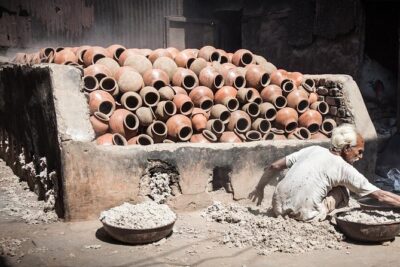
Browse the lists this tour appears in