
Reviewed · DHARAVI SLUM TOURS
Group Tour of Dharavi Slum walk with local Guide
Dharavi is not one kind of place. This two-hour walk moves through both its workshops and residential lanes, with a guide who lives there and grew up in the community. That local perspective can help you understand what you are seeing instead of treating the area as a spectacle.
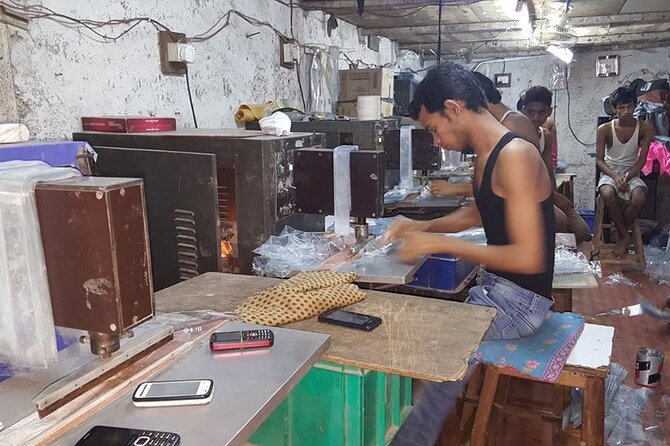
I like two things in particular: the route visits small-scale industries, from leather work and pottery to plastic recycling, and it makes room for everyday life, including homes, schools, a market and a shrine project involving Muslim residents and Hindu worshippers. The tour costs $12.26 per person, a modest price for a guided walk with bottled water included.
One consideration: this is a close-up visit to a working residential area, not a polished attraction. The narrow lanes and active workshops may feel intense, and the tour does not include food or tea. Go with curiosity and respect, and be ready to listen as much as you look.
Key points before you book
- Your guide lives in Dharavi: The guide is described as someone born and raised in the community, bringing personal context to the walk.
- Work and home life share the route: You visit industrial and residential areas, rather than seeing only workshops or only housing.
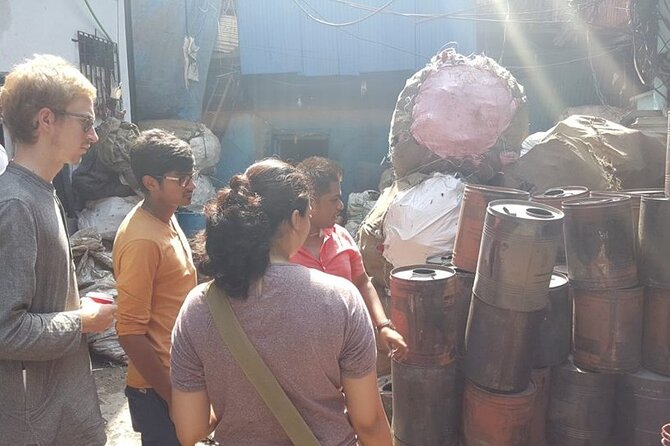
- The industries are varied: Expect to learn about leather work, pottery, soap-making, bakery work, colour dyeing, plastic recycling and the reuse of vegetable-oil cans.
- The group is capped at 15: That limit can make it easier to hear the guide and ask questions, though the lanes themselves are small.
- The walk ends in Dharavi: The stated end point is near Sai Multispeciality Hospital, where you can arrange an Uber or local taxi.
- Bring your own snack: Bottled water is included, but food, coffee and tea are not.
A guide who knows Dharavi from home
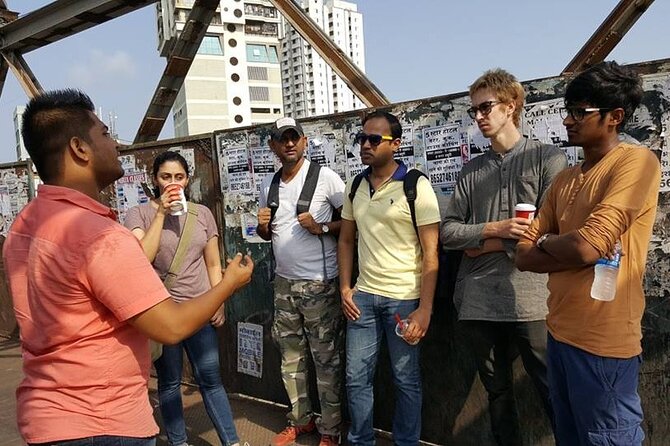
A local guide is the heart of this walk. The experience is described as led by someone who lives in Dharavi and grew up there, so the guide can explain the area through personal familiarity as well as the visible trades and buildings. That matters on a visit where a passing glance can easily leave you with more questions than answers.
Guides named in accounts of past tours include Bharti, Abhishek and Mahesh. The specific guide is not guaranteed, but the common thread is a local connection and an open invitation to ask questions. One account describes a guide who was friendly and professional; another highlights how a guide’s own life in Dharavi helped explain the contrast between work areas and homes. Those are useful qualities to look for in any walk through a place that is both a neighborhood and a place of business.
The group limit is 15 people. That is small enough to give the guide a chance to address questions, but it is still a group walk through narrow lanes and active work areas. If you want to pause over a particular process or ask several detailed questions, speak up when there is room. The guide’s explanations are a central part of the experience, not a background soundtrack.
More Dharavi tours around Mumbai:
- Dharavi slum tour in Mumbai by Female tour guides of the slum
★ 5.0 · 1,976 reviews - Mumbai: Dharavi Slum, DhobiGhat, and Dabbawallas Tour
★ 4.9 · 689 reviews - Dharavi Slum Tour
★ 5.0 · 625 reviews
From leather work to pottery and soap
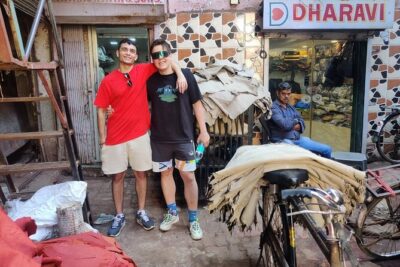
The route includes several kinds of small-scale production. You may see leather industries, pottery work, soap-making, a bakery and colour dyeing. These are not simply items on a checklist: together, they show how much work is packed into the area and how varied its local economy is.
At a leather workshop, the value of a guide is in helping you make sense of the activity and setting. A workshop can look like a jumble of materials and tools if you do not know what is being made or how the work fits into the neighborhood. The same goes for pottery, soap and dyeing. Your guide can provide context while you walk, and you can ask questions about what you are seeing.
The tour also passes a bakery. Food production is one of the practical details that can make a neighborhood walk feel grounded: it connects the area’s workplaces to the needs of daily life. Still, the walk does not include food or drinks beyond bottled water. If you want a snack or a cup of tea, plan to have it separately rather than expecting a tasting stop.
The appeal here is not a staged demonstration. You are walking through places where work is happening, so the scene may be busy, compact or hard to take in at once. Keep your attention on the guide and the people at work, and avoid treating a working space like a display built for visitors.
Recycling is part of the story
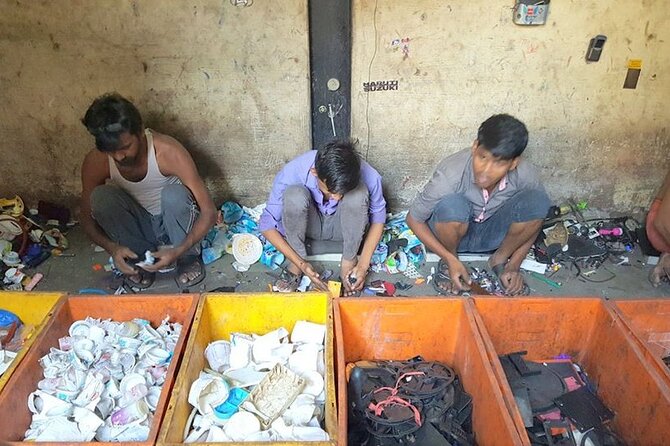
Plastic recycling is one of the listed stops, alongside the recycling of vegetable-oil cans. These examples add an important dimension to the tour: Dharavi is not only a place where goods are made, but also where materials are sorted and put to further use.
Recycling can be easy to overlook when it is part of a dense working area. A guide can point out what is being handled and explain why a particular activity matters locally. The walk’s mix of production and reuse helps you see the area as an interconnected set of livelihoods, not a single industry.
You should not expect every activity to be presented as a formal exhibit. The route is a walk through working and residential space, and the focus is on seeing the area with a local guide. Some processes may be more visible than others on the day. The useful approach is to listen, ask when appropriate and let the guide set the pace around workplaces.
A glimpse of homes, schools and the market
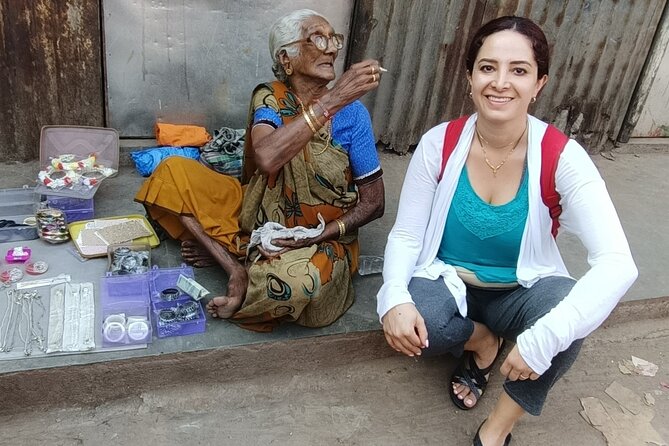
The tour also enters residential lanes and includes a look at houses in Dharavi. This is where the walk asks for particular care. A home is not a tourist sight, and residents are going about their day. Follow the guide’s lead, stay with the group and be thoughtful about where you look or point a camera.
Schools and hospitals are part of the route’s broader picture of everyday life. Their presence helps shift the focus from industry alone to the services and routines that make up a neighborhood. The tour does not promise a visit inside these places, so think of them as part of the area you encounter, not as scheduled indoor stops.
A slum market is also included. Markets offer a practical view of local commerce, but the details of what you will see are not specified. Treat it as a place where people are shopping and working, not a performance for visitors. The guide can help explain what is happening and answer questions as the group moves through.
One unusual detail on the route is a group of Muslim residents making a shrine for Hindus. It offers a specific example of people working across religious lines in a shared neighborhood. That is a small but meaningful moment in a tour that is strongest when it gives you concrete examples rather than sweeping claims about Dharavi.
More walking tours around Mumbai:
- Group Guided Walking Tour in Fort and Colaba
★ 5.0 · 1,073 reviews - Private Guided Walking Tour in Fort & Colaba
★ 5.0 · 895 reviews - Private Guided Walking Tour in Bandra Queen of Suburbs
★ 5.0 · 383 reviews - Private Guided Spiritual Walk in Banganga Hindu Temples
★ 5.0 · 271 reviews
The small alley and the famous film connection
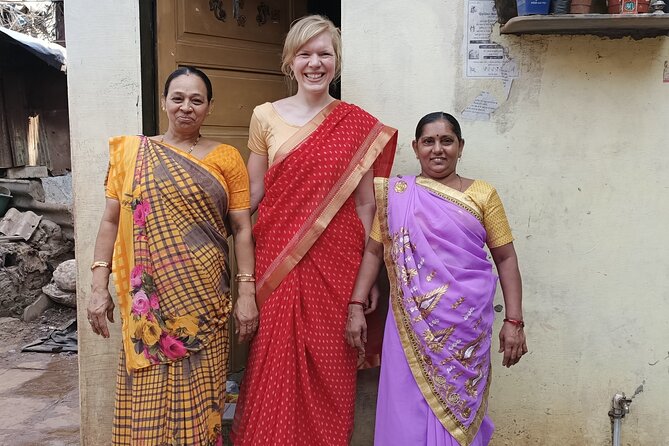
The walk includes a small alley and a place associated with the filming of Slumdog Millionaire. That film reference may help you recognize a setting, but it is only one part of a much broader visit. The tour’s greater value lies in seeing the work and residential areas together, with a local guide explaining what you encounter.
Do not expect the film connection to turn the walk into a movie tour. The route is described as a visit to the place where the film was shot, but the emphasis is on the industries and community. If you are mainly interested in film locations, this may be a brief point of interest rather than the main event.
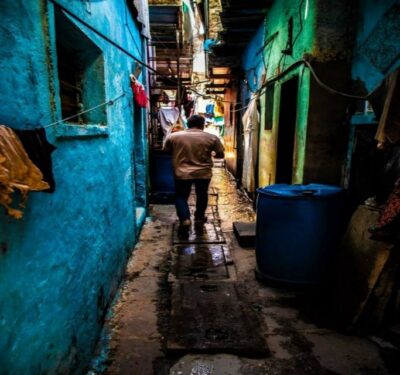
The alley is also a reminder that the scale of the walk is intimate. You are on foot, moving through compact spaces where the group needs to stay together. A maximum of 15 people helps keep the group manageable, but it does not make the lanes wide or quiet. Wear comfortable walking shoes and be prepared to move at the guide’s pace.
Two hours, one start point and a different finish
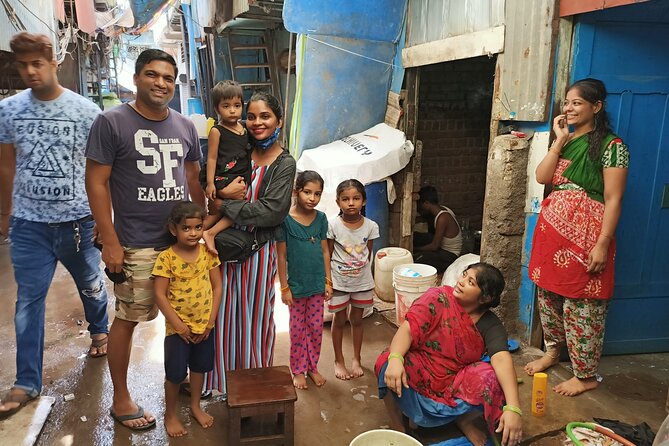
The walk lasts about two hours. It starts at Third Wave CoffeeTip Road, Unit no. 58, Ground, Ram Mahal, Senapati Bapat Marg, Marinagar Colony, near Mahim station. The stated end point is Sai Multispeciality Hospital & Research Centre on 90 Feet Road in Dharavi, so you finish somewhere different from where you began.
That point-to-point route is worth noting when planning the rest of your day. You can arrange an Uber or local taxi from the end point. The tour information does not specify a return transfer, so do not assume you will be driven back to the start.
A mobile ticket is available, and confirmation is provided at booking. The experience is described as suitable for most people, though the route is a walking tour through small lanes and working areas. If you have a specific concern about taking part, check with the operator before booking rather than assuming the route will suit every need.
Bottled water is included. Food, coffee and tea are not, and tips are also excluded from the price. At $12.26 per person, the cost covers an English-speaking guide and a two-hour walk, not a meal or transport. For a visitor who wants context and direct contact with a local guide, that is a sensible use of a small slice of a Mumbai day. The price is less compelling if you want a passive sightseeing stop or expect a packaged food experience.
You can cancel for a full refund up to 24 hours before the tour starts. Changes or cancellations made later than that are not accepted for a refund, so check your plans before the cutoff.
Who will get the most from this walk
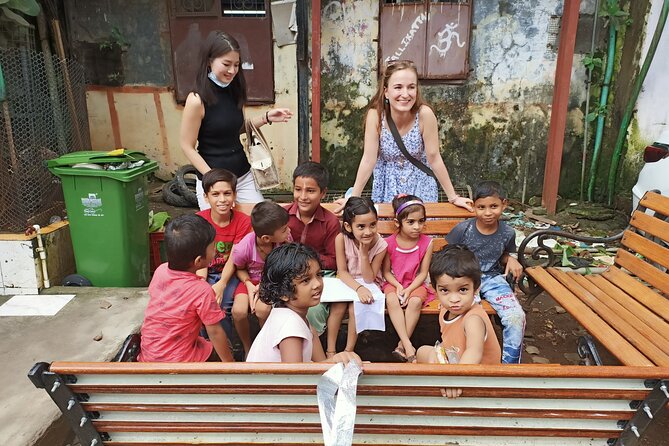
This tour suits you if you want to understand more than Mumbai’s headline sights and are comfortable visiting a residential area with a guide. It is especially useful if you are curious about how work, housing, markets and recycling fit together in one place. The guide’s connection to Dharavi gives you a way to ask questions that a self-guided wander would not provide.
It may be less suitable if you prefer a quiet, carefully staged attraction or want the tour to include food, tea or a ride back to the start. The route involves walking through narrow lanes and active work areas, so you should be comfortable following a group and staying attentive to your surroundings.
The best way to approach the visit is with respect and restraint. Let the guide decide where the group can pause, ask questions without treating residents as exhibits, and remember that this is someone’s home as well as a workplace. In return, you get a more grounded view of Dharavi than a quick drive-by can offer.
Should you book the Dharavi walk?
Book this walk if you want a short, low-cost introduction to Dharavi led by someone with a personal connection to the community. The combination of workshops, recycling, homes, a market and local explanations gives the two hours a clear purpose. I would choose it for the chance to understand how work and daily life share the same streets.
Skip it if you want a conventional sightseeing tour with transport, refreshments or a film-focused itinerary. The experience asks you to walk, pay attention and approach a residential neighborhood thoughtfully. If that sounds right for you, the $12.26 price and two-hour format make it an accessible way to learn about a side of Mumbai that is easy to misunderstand from a distance.
FAQ
How long is the Dharavi walking tour?
It lasts about two hours.
What is included in the tour price?
An English-speaking guide and bottled water are included.
Is food or tea included?
No. Food, coffee and tea are not included.
How large is the group?
The tour has a maximum of 15 participants.
Does the guide live in Dharavi?
The tour is described as led by a guide who lives in Dharavi and grew up there.
Where does the tour start?
It starts at Third Wave CoffeeTip Road, Unit no. 58, Ground, Ram Mahal, Senapati Bapat Marg, Marinagar Colony, near Mahim station in Mumbai.
Where does the tour end?
It ends at Sai Multispeciality Hospital & Research Centre on 90 Feet Road in Dharavi. You can arrange an Uber or local taxi from the end point.
Can I cancel for a refund?
You can cancel at least 24 hours before the start time for a full refund. Cancellations made less than 24 hours before the start time are not refunded.
Just added around Mumbai
- Victorian Gothic Heritage Quarter and Art Deco Walking Tour★ 4.9 · 14 reviews
- Mumbai Airport to Mumbai Hotels : Private Transfers★ 5.0 · 13 reviews
- Private Walking Tour in Dharavi Slums★ 5.0 · 7 reviews
- Mumbai Sightseeing Tour★ 5.0 · 11 reviews
- Mumbai by Night Guided Tour★ 5.0 · 6 reviews
- Vegetarian Indian Cuisine Virtual Cooking Class Experience from Mumbai★ 5.0 · 4 reviews
- Private Mumbai 2-Day Tour Package:City + Slum & Elephanta Island.★ 5.0 · 3 reviews
- Taj Mahal Day Trip Including Same Day Flights from Mumbai★ 5.0 · 3 reviews
Dharavi Slum Tours, compared.
Dharavi slum tour in Mumbai by Female tour guides of the slum
Read our review →

Dharavi Slum Slumdog Millionaire Tour with a Local
Read our review →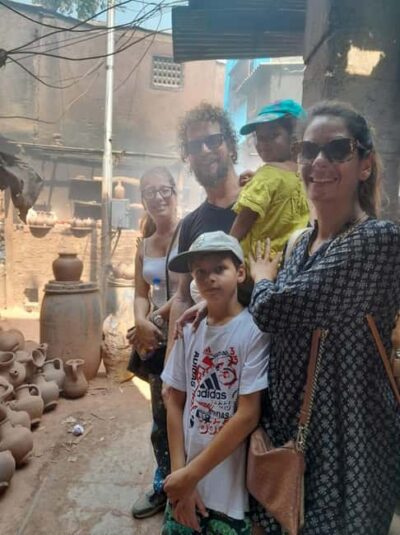
Mumbai Slum Tour – Visit Dharavi Slum with Local Guide
Read our review →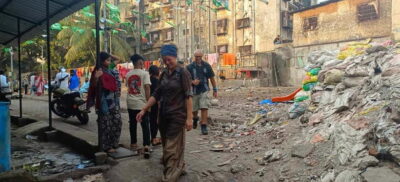
Dhobi Ghat Laundry and Dharavi Slum Tour with Local
Read our review →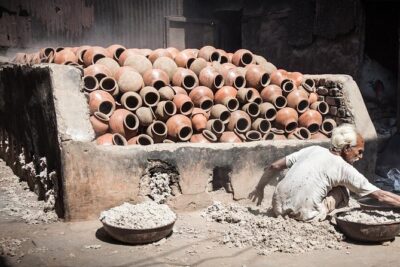
Browse the lists this tour appears in