

Reviewed · DHARAVI SLUM TOURS
Mumbai: Dharavi Slum 2-Hour Walking Tour
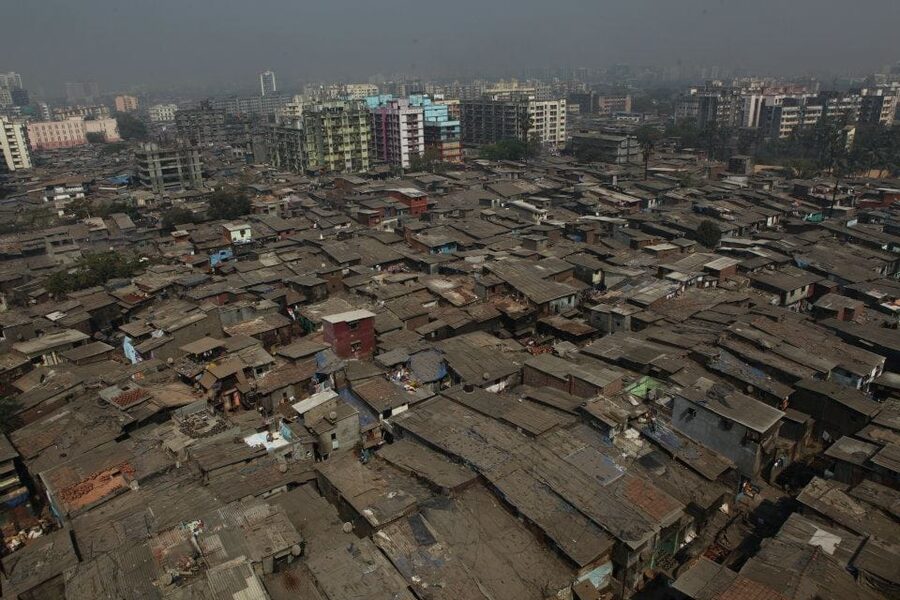
Dharavi is not a stop for gawking at poverty. This two-hour walk offers a closer look at a working neighborhood, where narrow lanes connect homes, workshops, schools and places of worship. The focus is on how people live and work, not on recreating scenes from Slumdog Millionaire.
I like two things in particular: you get to see local trades up close, from plastic recycling to pottery and dye production, and a small group gives you room to ask questions. A guide named Dinesh, who grew up in Dharavi, led one tour, offering a useful local perspective. The main consideration is the strict no-camera rule, so you need to be comfortable experiencing the walk without taking photos.
At a glance
- A working neighborhood, not a film set: Dharavi became widely known through Slumdog Millionaire, but the tour focuses on daily life and local businesses.
- Trades at close range: Depending on the route, you may see recycling, leatherwork, pottery, soap making, papadum baking and dye production.
- A guide with local ties: Dinesh, one guide, grew up in Dharavi. The provider is Mystical Mumbai.
- Small group size: The tour is limited to 10 people, which can make it easier to hear the guide and ask questions in narrow lanes.
- No camera, modest dress: Bring comfortable shoes, water and a hat or cap. Cameras and short skirts are not allowed.
- A two-hour walk: Meet at Café Coffee Day opposite Mahim Railway Station and finish at Mahim Junction.
Seeing Dharavi Beyond the Film

Dharavi became a familiar name around the world after Slumdog Millionaire was released in 2008. That fame can leave you with a narrow picture of the neighborhood before you arrive. This walk is a chance to replace some of that shorthand with a closer view of a place where people live, work, study and worship.
The experience is described as a walk through one of the world’s largest slum communities. Estimates put Dharavi’s population between 700,000 and one million, a wide range that itself hints at how difficult it is to reduce such a large place to a neat statistic. Your guide can help you make sense of the scale through the streets and working areas you visit.
I appreciate that the tour cautions against expecting a showcase of extreme poverty. That does not mean the neighborhood has no hardships, or that two hours can explain life here in full. It does mean the walk aims to show more than the stereotypes that often cling to the word slum: ingenuity, hard work, small businesses and a strong sense of community.
More Dharavi tours around Mumbai:
- Dharavi slum tour in Mumbai by Female tour guides of the slum
★ 5.0 · 1,976 reviews - Mumbai: Dharavi Slum, DhobiGhat, and Dabbawallas Tour
★ 4.9 · 689 reviews - Dharavi Slum Tour
★ 5.0 · 625 reviews
From Mahim Station Into the Lanes

The meeting point is Café Coffee Day opposite Mahim Railway Station on Tulsi Pipe Road. Look for your guide in a purple shirt with a footprint logo. The tour ends at Mahim Junction, so you finish in a different place from where you started.
At two hours, the walk is short enough to fit into a Mumbai day without taking over your schedule, but long enough to move beyond a quick look from the street. You will be on foot in narrow alleyways, so comfortable shoes matter more than dressing for a polished city outing. Bring water and a hat or cap, and dress modestly.
The group is limited to 10 people. That is a useful size for a walk through tight corridors, where a large crowd could make it harder to keep together or hear the guide. It also gives you a better chance to ask about what you are seeing, though the experience still depends on the guide and the route on the day.
Workshops, Recycling and Daily Work
One of the most distinctive parts of the walk is its attention to work. Dharavi is not presented simply as a residential area, but as a place with a range of trades and small-scale production. The activities named for the tour include plastic recycling, leatherwork, pottery, soap making, dye production and the baking of papadums.
The recycling activity is especially revealing. You may see how used materials, including vegetable oil cans, are handled and put to work again. This kind of detail turns an abstract idea about resourcefulness into something you can observe in a specific trade. It also makes clear that Dharavi’s economy is not a backdrop to daily life; work is woven into the neighborhood itself.
Pottery workshops, leather works and places where papadums are baked offer other windows into local production. The tour does not promise that every workshop will be visited, and the exact route may vary. Think of the list as a guide to the kinds of work you might encounter, not a guarantee of a fixed set of stops.
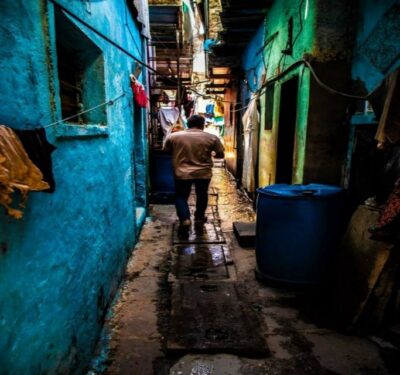
The narrow lanes are part of the experience, too. A past route moved through industrial and residential sections, a Muslim area, a market street and very small corridors. The change from workshops to homes and community spaces helps explain how closely daily life and work sit together here. You are not just looking at a set of businesses; you are walking through a neighborhood where several parts of life share limited space.
Community Spaces, Homes and the Guide’s Perspective

The walk can also include schools and churches used by residents, as well as other places connected to community life. These stops matter because they broaden the picture beyond production and commerce. They show that the neighborhood is not only a place to earn a living, but also a place where people gather, learn and worship.
Dinesh, a guide who grew up in Dharavi, led one tour and shared detailed information about different parts of the area. That local connection can add a perspective that a visitor cannot get from looking at the lanes alone. One past outing even included a visit to the guide’s home, but you should treat that as an example of a possible personal touch, not a promised stop.
You can ask questions during the walk, and the small group format helps keep the experience conversational. A useful approach is to ask about the work or community space in front of you rather than trying to turn a complex neighborhood into a single story. Two hours can offer a grounded introduction, but it cannot stand in for the many different lives lived here.
More walking tours around Mumbai:
- Group Guided Walking Tour in Fort and Colaba
★ 5.0 · 1,073 reviews - Private Guided Walking Tour in Fort & Colaba
★ 5.0 · 895 reviews - Private Guided Walking Tour in Bandra Queen of Suburbs
★ 5.0 · 383 reviews - Private Guided Spiritual Walk in Banganga Hindu Temples
★ 5.0 · 271 reviews
The Film Connection, Kept in Perspective
The tour includes a place connected with a scene from Slumdog Millionaire. That detail may appeal if the film brought Dharavi to your attention, but it is only one part of the walk. The neighborhood is not a movie attraction, and a film location is best understood as a small footnote to a much larger place.
One route has also passed through corridors associated with a character from the film. The practical value of that stop is less about reenacting a scene and more about seeing how a well-known story can shape outside impressions of a real community. If you come mainly for a film photo, this tour will not suit you: cameras are prohibited, and the broader purpose is learning about Dharavi as a lived-in area.
That photography rule is worth taking seriously. The tour information says cameras are not allowed and photography is strictly prohibited. Leave your camera behind and do not plan on documenting the walk with a phone. The restriction may feel limiting if you usually record every stop, but it keeps your attention on the guide and the place rather than on getting a picture.
Is $65 Good Value for Two Hours?
At $65 per person, this is not a low-cost city stroll. The value rests on the guided access and interpretation: in two hours, you can see several types of work and community spaces while hearing context that would be difficult to get from wandering the lanes on your own. The group limit of 10 also makes the price more understandable than it would be for a large, impersonal tour.
Still, value depends on what you want. If you are looking for a long excursion, a full account of Dharavi’s history or time inside every kind of workshop, two hours will feel brief. If you want a focused introduction with a local guide and are willing to listen more than photograph, the format is better suited to you.
Transportation is listed as available on request, so check the details if you need it rather than assuming it is part of the walk in every case. Personal expenses are not included. Booking terms allow you to reserve without paying immediately, and you can cancel up to 24 hours in advance for a full refund.
Practical Details Before You Go
Wear comfortable shoes. The route runs through narrow alleys, and you will be walking for the full two hours. Bring a water bottle and a hat or cap, and dress modestly. Short skirts are not allowed.
The tour is in English and is not suitable for wheelchair users. The camera ban is strict, so do not bring a camera with the expectation that you will be able to use it. Check the current start times when booking, and remember that the guide can be identified by a purple shirt with a footprint logo.
A past booking was made in German, but the tour information specifies an English-speaking guide. If you need another language, do not assume it will be available; confirm before booking.
Who Should Book This Dharavi Walk?
I would recommend this tour if you want to understand Mumbai through the everyday work and community life of one of its most talked-about neighborhoods. It is a strong fit for curious visitors who are comfortable walking through narrow lanes, asking questions and leaving the camera behind.
It is less suitable if you need wheelchair access, want to take photographs, or expect a long, detailed visit to a fixed list of workshops. At $65, you are paying for a compact guided introduction rather than an all-day tour. Book it if that is the kind of close-up, people-focused experience you want; skip it if the camera restriction or short duration would frustrate you.
FAQ

How long is the Dharavi walking tour?
The guided walk lasts two hours.
Where does the tour start?
Meet at Café Coffee Day opposite Mahim Railway Station on Tulsi Pipe Road in Mumbai.
Where does the tour finish?
The walk ends at Mahim Junction.
What language is the tour in?
The tour is conducted in English.
How many people are in each group?
The group is limited to 10 participants.
Can I take photographs during the walk?
No. Cameras are not allowed, and photography is strictly prohibited.
What should I bring and wear?
Bring comfortable shoes, a water bottle and a hat or cap. Dress modestly, and do not wear a short skirt.
Can I cancel, and do I have to pay when I book?
You can cancel up to 24 hours in advance for a full refund. The booking option also allows you to reserve now and pay later.
More two-hour experiences around Mumbai
- 2-Hour Guided Tour of Dharavi
★ 5.0 · 359 reviews - Vibrant Markets of Mumbai (2 Hours Guided Walking Tour)
★ 4.4 · 44 reviews - Mumbai: 2-Hour Guided Bandra Walking Tour
★ 4.8 · 34 reviews - Mumbai Street Food Crawl (2 Hours Guided Food Tasting Tour)
★ 3.5 · 6 reviews
Just added around Mumbai
- Victorian Gothic Heritage Quarter and Art Deco Walking Tour★ 4.9 · 14 reviews
- Mumbai Airport to Mumbai Hotels : Private Transfers★ 5.0 · 13 reviews
- Private Walking Tour in Dharavi Slums★ 5.0 · 7 reviews
- Mumbai Sightseeing Tour★ 5.0 · 11 reviews
- Mumbai by Night Guided Tour★ 5.0 · 6 reviews
- Vegetarian Indian Cuisine Virtual Cooking Class Experience from Mumbai★ 5.0 · 4 reviews
- Private Mumbai 2-Day Tour Package:City + Slum & Elephanta Island.★ 5.0 · 3 reviews
- Taj Mahal Day Trip Including Same Day Flights from Mumbai★ 5.0 · 3 reviews
Dharavi Slum Tours, compared.
Dharavi slum tour in Mumbai by Female tour guides of the slum
Read our review →

Dharavi Slum Slumdog Millionaire Tour with a Local
Read our review →
Mumbai Slum Tour – Visit Dharavi Slum with Local Guide
Read our review →
Dhobi Ghat Laundry and Dharavi Slum Tour with Local
Read our review →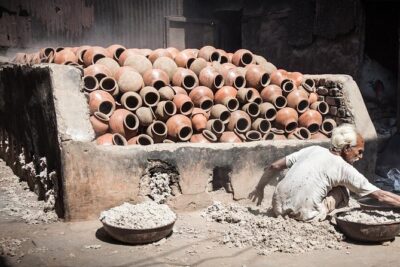
Browse the lists this tour appears in