
Reviewed · DHARAVI SLUM TOURS
Mumbai: Dharavi Slum and Dhobi Ghat Laundry Tour
Dharavi is not just a place to pass through on the way to another Mumbai sight. This three-hour walk shows you the workshops, recycling work and pottery community woven into everyday life, then adds a local train ride and a visit to Dhobi Ghat, where more than 100,000 clothes are washed each day.
I like two things in particular: the local guide makes the work and daily routines easier to understand, and the train ride connects the visits with a slice of ordinary Mumbai life. Guides including Ruba, Subhan and Priti are often singled out for patient explanations and thoughtful answers.
One consideration: Dharavi’s lanes can be narrow and crowded, and photography may be restricted. The Dhobi Ghat visit is listed as 40 minutes, which may feel brief if you want a long look at the laundry operation.
What makes this tour worth your time

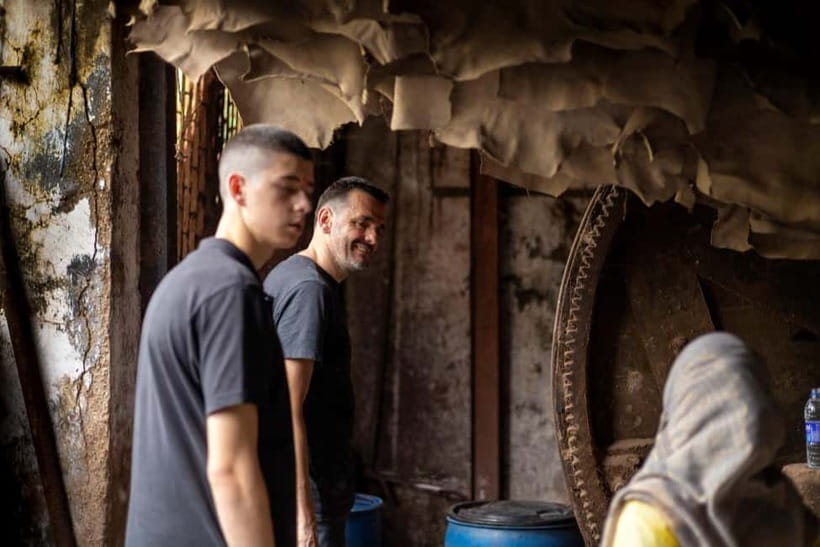
- See Dharavi as a working community: Visit small-scale industries, including leather production and plastic recycling.
- Meet the pottery tradition of Kumbhar Wada: Learn about a community whose craft has continued across generations.
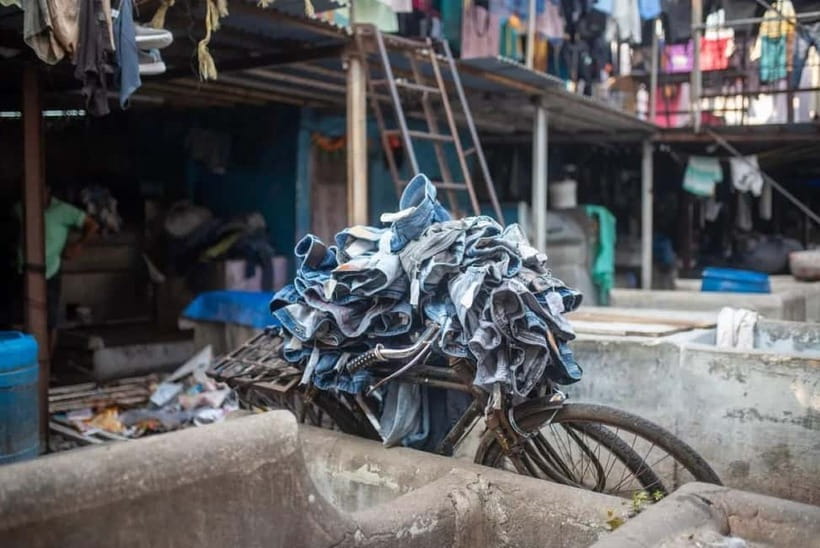
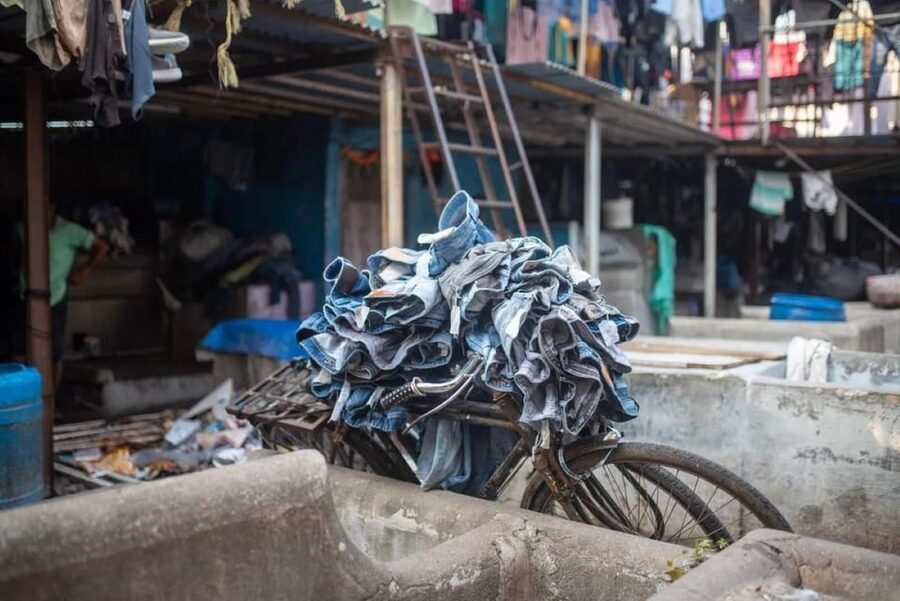
- Watch laundry work at Dhobi Ghat: See traditional washing methods at one of the world’s largest open-air laundries.
- Ride Mumbai’s local train: The 15-minute trip offers a close-up of the city’s daily pace.
- Go with a local English-speaking guide: Guides such as Ruba, Subhan and Priti are praised for clear, considerate explanations.
Dharavi is more than a stop on a map
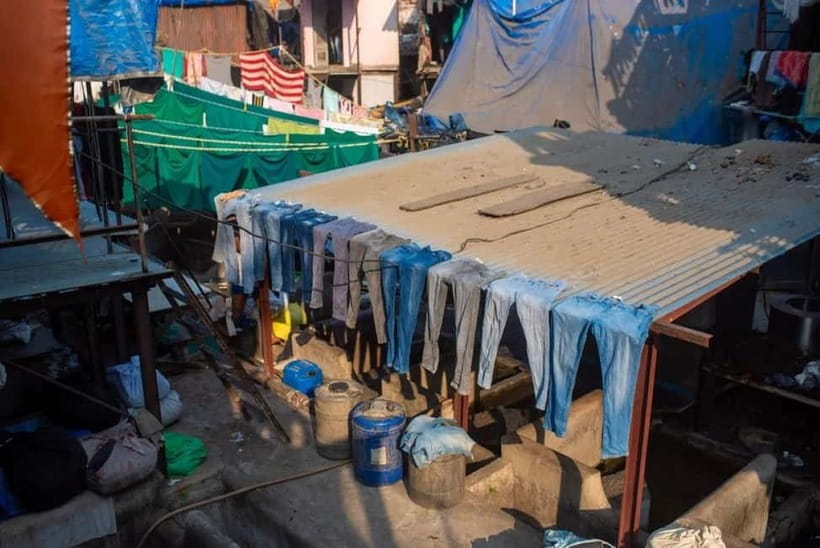
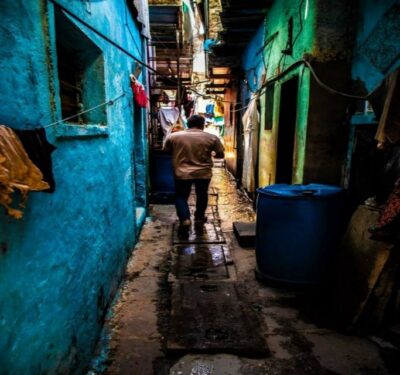
The word slum can make Dharavi sound like a single story. This tour gives you a more useful picture: a dense residential area that is also a place of work, trade and skilled production. Your guide helps connect what you see in the lanes with the livelihoods that keep the community moving.
You’ll visit areas tied to leather work, plastic recycling and pottery. The point is not simply to look at workshops from the outside. A guide can explain how these industries fit into the local economy and what daily work involves, giving you context that is hard to get by walking through on your own.
Kumbhar Wada adds another layer. This pottery-making community is described as centuries old, and its presence helps show that Dharavi is not only a centre of newer small businesses. It is also home to established traditions carried on by local families and craftspeople.
The experience is most rewarding when you arrive curious and ready to listen. You are entering a lived-in neighbourhood, not a staged attraction. Keep your group close, follow your guide’s lead and remember that people are going about their day, not performing for visitors.
More Dharavi tours around Mumbai:
- Dharavi slum tour in Mumbai by Female tour guides of the slum
★ 5.0 · 1,976 reviews - Mumbai: Dharavi Slum, DhobiGhat, and Dabbawallas Tour
★ 4.9 · 689 reviews - Dharavi Slum Tour
★ 5.0 · 625 reviews
A guide makes the difference in Dharavi’s lanes
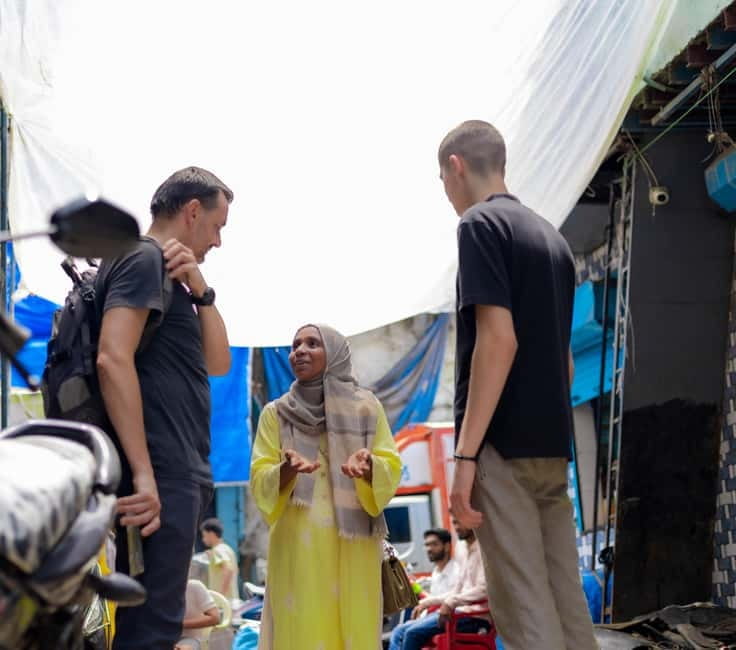
The walk is led in English by a local guide. That matters here: the sights alone cannot explain what a workshop makes, how an industry operates or how the neighbourhood fits into Mumbai. A guide can answer questions as they arise and help you see the work as more than a quick visual stop.
Ruba, Subhan and Priti are among the guides whose names come up repeatedly, alongside guides such as Javed, Jawwad, Sharon and Kavita. The qualities most often praised are clear explanations, patience, friendliness and an ability to make complicated subjects understandable. Several guides are also noted for treating the communities they visit with care.
That respectful approach is important. Dharavi is home to residents whose privacy deserves consideration. Ask before taking photographs, and accept that some areas may not allow cameras. The tour’s guidance on photography is practical, not fussy: it helps keep a visit from becoming intrusive.
The pace may be flexible, but it is still a three-hour outing with substantial walking. One guide reportedly helped a visitor keep to their own pace, but you should not assume the route can be adapted to every mobility need. The tour is not suitable for wheelchair users.
The local train adds a useful slice of Mumbai
A 15-minute train ride is built into the route between Dharavi and Dhobi Ghat. It is short, but it gives the tour a change of scale. Instead of seeing Mumbai only from a road or a vehicle arranged for sightseeing, you get a brief experience of the city’s everyday rail network.
For some people, this will be a highlight. One visitor described riding during rush hour for the first time and finding it safe and inspiring. That is not a guarantee about crowd levels or conditions on your particular departure, so keep close to the guide and follow their instructions.
The train also makes the transition between the two visits feel like part of the experience rather than dead time. You are moving through the city in a way residents commonly do. The ride lasts about 15 minutes, so don’t expect a long rail excursion or a full introduction to Mumbai’s transit system.
The tour information does not clearly state whether the train fare is included. Check this before you go, or be prepared for a small personal expense. Reviews describe guides helping with tickets, but that does not establish that the ticket cost is covered.
Dhobi Ghat brings laundry work into view

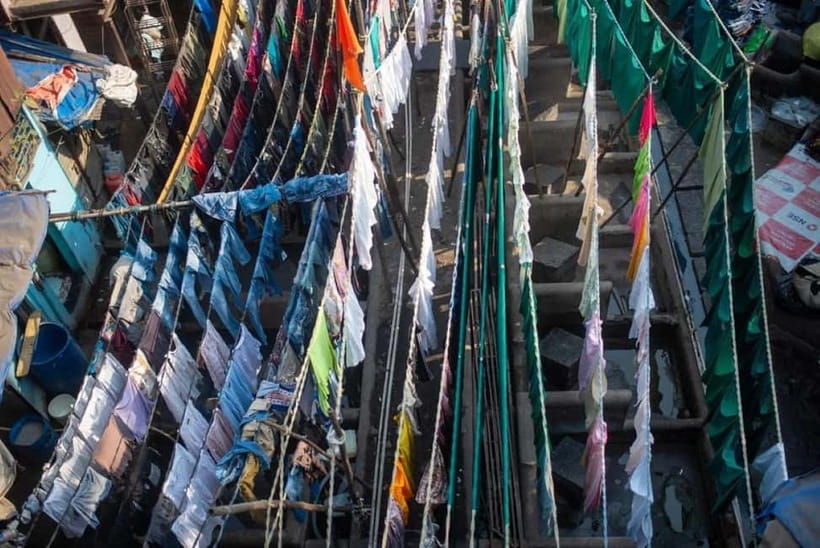
Dhobi Ghat is the tour’s other major stop, and the scale is striking: more than 100,000 clothes are washed there each day, using methods passed down through generations. Rather than treating the laundry as a colourful backdrop, your guide explains the traditional process and the work behind it.
The visit is listed as about 40 minutes. That is enough time for an introduction and a look at the operation, but it may feel short if you want to study the details at length. Some people would prefer more time or a closer view of the washing tanks. Keep that in mind if Dhobi Ghat is your main reason for booking.
The tour includes a visit to the laundry and an opportunity to see its traditional methods. The exact viewing position and access can vary, so don’t assume you’ll walk through every working area or get close to every part of the process. Follow your guide’s directions, particularly where photography or access is limited.
Dhobi Ghat is especially useful in combination with Dharavi. The two stops show different kinds of work and community life, and the contrast helps put Mumbai’s varied livelihoods into perspective. If you’re choosing between visiting only the laundry or joining the full tour, the combined route offers a broader view.
More Dhobi Ghat visits around Mumbai:
- Mumbai: Dhobi Ghat Laundry and Dharavi Slum Tour with Local
★ 5.0 · 469 reviews - Private Combo Tours Sightseeing + Dharavi Slum + Dhobi Ghat & Dabbawalas
★ 5.0 · 245 reviews - Dharavi, Dhobighat, and Mumbai Dabbawallas
★ 5.0 · 168 reviews - Dabbawala, Dhobi Ghat & Dharavi slum Tour with Local Train Ride
★ 5.0 · 102 reviews
Three hours, $5 and a few practical details
At $5 per person, this is unusually inexpensive for a guided three-hour experience that combines two locations, local-industry explanations and a train ride. The value comes less from ticking off attractions than from having a local guide interpret what you’re seeing. Without that context, a quick walk through workshops or a view of laundry lines could leave you with more impressions than understanding.
That low price does not mean every expense is covered. Hotel pickup and drop-off, food, drinks and personal expenses are excluded. The train ticket is not clearly specified, so check whether you need to pay separately. Some guides have offered water, but water is not listed as an inclusion, so bring your own.
The meeting point depends on the option you book. Third Wave Coffee is one listed starting location, and the tour can end at either Third Wave Coffee or Mahalaxmi Station. Confirm your exact meeting and drop-off details before setting out. One visitor experienced a 30-minute rescheduling, so check messages on the day and leave a little margin in your plans.
You can cancel up to 24 hours ahead for a full refund, and a reserve-now, pay-later option is available. These terms are useful if your Mumbai plans are still shifting, but they do not change the need to check the meeting point and departure time.
What to wear, carry and keep in mind
Comfortable walking shoes are essential. Expect plenty of walking through crowded places and narrow lanes, where sturdy footwear will serve you better than sandals that slip or shoes you don’t mind getting dusty.
Bring water, sunscreen and a camera, but treat the camera as optional. Photography may be restricted in some areas, and your guide’s instructions should take priority. Dress modestly and avoid entering private spaces or pointing a camera at residents without permission.
Smoking is not allowed. The tour is also not suitable for children under five, pregnant women or wheelchair users. If you are unsure whether the walking or crowding will work for you, ask the provider before booking rather than relying on the short duration alone.
Who should book this Mumbai tour?
I’d choose this tour if you want to understand Mumbai through its working communities, not just its best-known sights. It suits curious visitors who are comfortable walking in tight, crowded places, are willing to follow local guidance and want to ask questions about the industries they see.
It may not be the right fit if you want a quiet outing, extensive time at each stop or a highly controlled sightseeing route. Dhobi Ghat gets a limited visit, and Dharavi is a real neighbourhood with the noise and movement that entails. The experience depends on approaching it with respect rather than treating it as a spectacle.
For the price, the mix is compelling: Dharavi’s workshops, Kumbhar Wada pottery, Dhobi Ghat’s traditional laundry and a short local train ride. Book it if you want context as much as views, and confirm your meeting point and train-fare arrangements before you go.
FAQ

How long is the tour?
The tour lasts three hours. The local train ride is about 15 minutes, and the Dhobi Ghat visit is listed as about 40 minutes.
What language is the tour conducted in?
The live tour guide speaks English.
What is included in the tour?
The tour includes a guided visit to Dharavi, a visit to Dhobi Ghat, information about local industries and community life, and an opportunity to see Mumbai’s traditional laundry process.
Are hotel pickup, food and drinks included?
No. Hotel pickup and drop-off, food, drinks and personal expenses are not included.
What should I bring?
Wear comfortable walking shoes and bring water, sunscreen and a camera. Photography may be restricted in some areas, so follow your guide’s instructions.
Can I cancel the booking?
You can cancel up to 24 hours in advance for a full refund. A reserve-now, pay-later option is also available.
Is the tour suitable for children under five or wheelchair users?
No. The tour is not suitable for children under five or wheelchair users. It is also listed as unsuitable for pregnant women.
Just added around Mumbai
- Victorian Gothic Heritage Quarter and Art Deco Walking Tour★ 4.9 · 14 reviews
- Mumbai Airport to Mumbai Hotels : Private Transfers★ 5.0 · 13 reviews
- Private Walking Tour in Dharavi Slums★ 5.0 · 7 reviews
- Mumbai Sightseeing Tour★ 5.0 · 11 reviews
- Mumbai by Night Guided Tour★ 5.0 · 6 reviews
- Vegetarian Indian Cuisine Virtual Cooking Class Experience from Mumbai★ 5.0 · 4 reviews
- Private Mumbai 2-Day Tour Package:City + Slum & Elephanta Island.★ 5.0 · 3 reviews
- Transfer from Mumbai Airport to Hotel★ 4.0 · 7 reviews
Dharavi Slum Tours, compared.
Dharavi slum tour in Mumbai by Female tour guides of the slum
Read our review →

Dharavi Slum Slumdog Millionaire Tour with a Local
Read our review →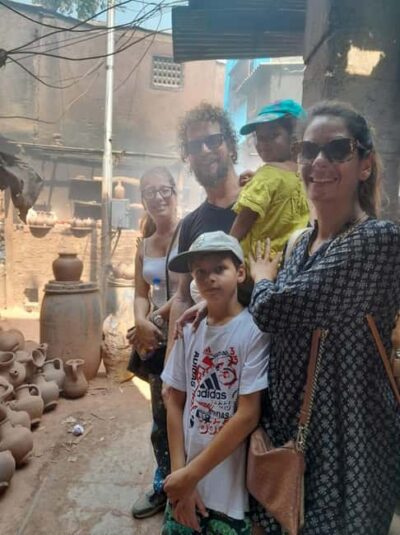
Mumbai Slum Tour – Visit Dharavi Slum with Local Guide
Read our review →
Dhobi Ghat Laundry and Dharavi Slum Tour with Local
Read our review →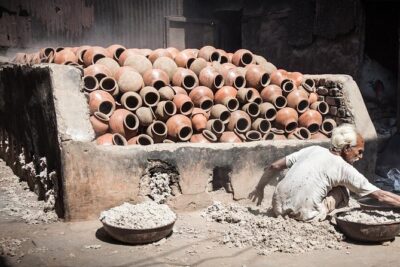
Browse the lists this tour appears in