
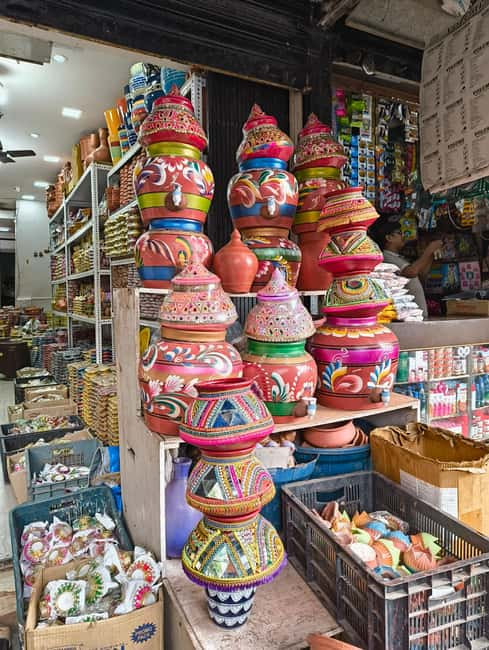
Reviewed · DHARAVI SLUM TOURS
“Mumbai Dharavi Slum Tour”
Dharavi is not simply a maze of narrow lanes. It is also a place of work, with recycling, clothing and luggage production, leather craft and pottery woven into the visit. This tour crosses from an industrial area into residential Dharavi, with a local guide to help you understand what you are seeing and speak with residents.
I like two things in particular: the route connects workshops with everyday neighborhood life, and a guide can help you approach local conversations with respect. One consideration: this is a close-up walk through a densely lived-in area, so it may feel confronting, and you should dress for the weather and avoid very short outfits.
- Cross the railway bridge from the meeting point near Mahim station into Dharavi.
- See recycling and production work, including plastics, wood, cardboard, clothing, backpacks and luggage.
- Move from industrial lanes to residential streets, markets and community spaces.
- Learn about pottery in Kumbharwada, where you can see traditional pot-making skills.
- Walk with a local guide who can explain the area and help you speak with residents.
- Plan for two to three and a half hours, with bottled water included and meals not included.
From Mahim Station Across the Railway Bridge

The tour begins at a coffee shop near Mahim train station on the west side. The exact starting point can depend on the option you select, so check your booking details before setting out. From there, you cross a railway bridge into Dharavi, a simple transition that also marks a change in what the guide is explaining.
At the start, your guide places Dharavi in a wider context by talking about slums around the world and how Dharavi fits into that picture. This framing matters. Without it, a visitor can mistake a complicated, working neighborhood for a collection of hardship stories. A local guide can help you notice the people, trades and routines that are easy to miss when you do not know where to look.
English and Hindi are offered, and you can expect the guide to lead you through alleys that would be hard to navigate on your own. Guides associated with the tour have included Javed, Ruqaiyya, Ravi and Kavita. Names and assignments can vary, but the best reason to have a guide here is practical as well as personal: you get explanations and a way to communicate, rather than simply wandering through private streets.
Recycling and Small-Scale Manufacturing
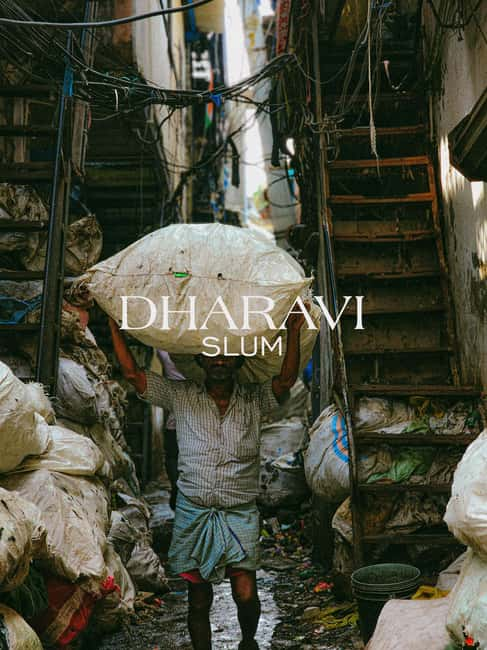
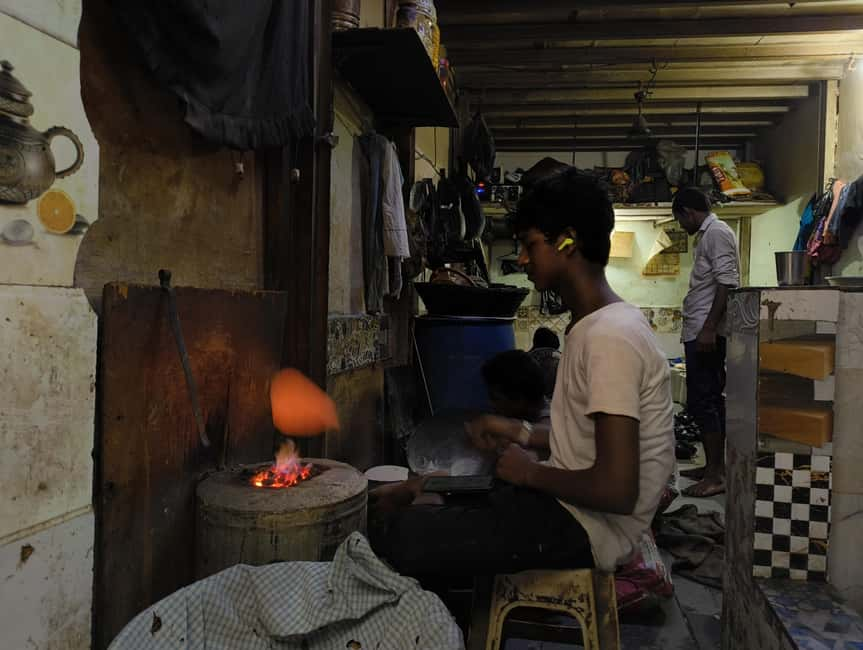
The first part of the walk focuses on Dharavi’s industrial area. You may see recycling activity involving plastics, wood and cardboard, alongside sites that make clothing, backpacks and luggage. The value is in seeing how much work happens within the neighborhood, rather than treating Dharavi only as a residential district.
A guided walk gives you a chance to ask what different workshops do and how the work connects to the people who live nearby. The tour also covers migrants in Dharavi and their living conditions, adding context to the industries you see. The information provided does not promise access to every worksite, so approach this section as a guided look at local production, not a guaranteed factory visit or hands-on demonstration.
There is a useful balance to keep in mind. Workshops can make the neighborhood’s economic activity visible, but the people working there are not exhibits. Follow your guide’s lead, listen before starting a conversation and ask before taking photographs. The tour offers help with speaking to locals, but it does not promise that every person you meet will want to talk.
More Dharavi tours around Mumbai:
- Dharavi slum tour in Mumbai by Female tour guides of the slum
★ 5.0 · 1,976 reviews - Mumbai: Dharavi Slum, DhobiGhat, and Dabbawallas Tour
★ 4.9 · 689 reviews - Dharavi Slum Tour
★ 5.0 · 625 reviews
Crossing Into Residential Dharavi
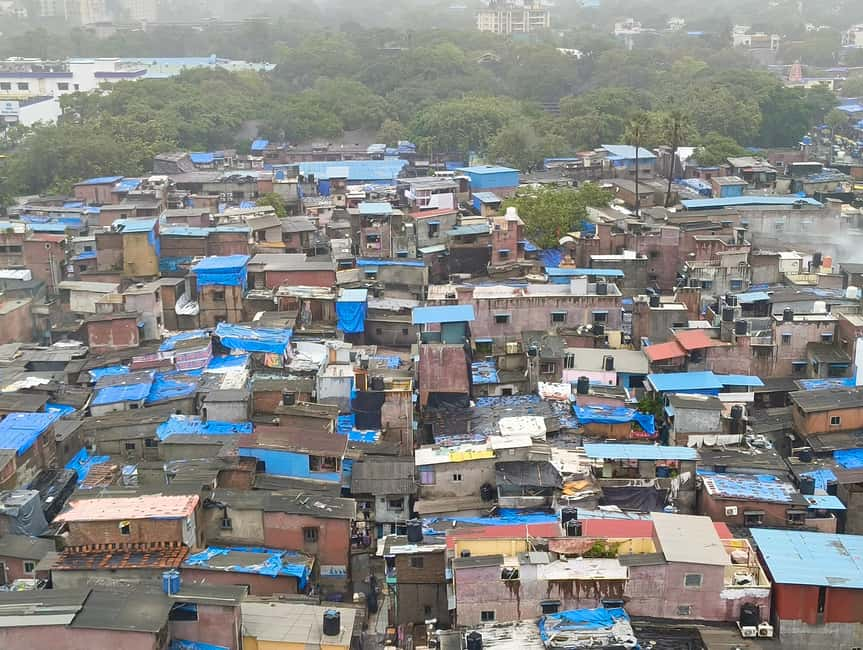
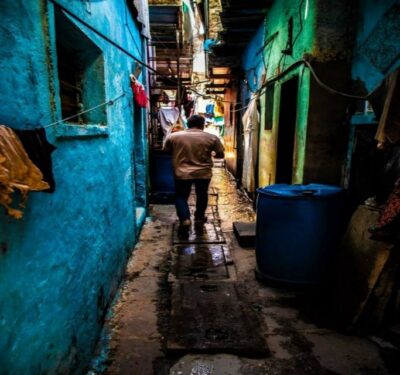
After the industrial area, the route crosses a street into the residential part of Dharavi. Here the emphasis shifts from production to the conditions of everyday life. You will see narrow lanes, homes and shared neighborhood spaces, and your guide will discuss living conditions as you go.
The tour also points out what it describes as Mumbai’s largest sewer. It is a striking detail, but the broader point is the infrastructure that shapes daily life in a dense community. You may find this part of the walk sobering. Give yourself time to take in the surroundings without turning people’s homes into a spectacle.
The lanes are described as confusing and unfamiliar to visitors. That is precisely where a guide is useful: you can concentrate on what is around you while someone familiar with the area handles the route and explains what you are seeing. Still, narrow streets can feel close and busy, and this is not a stroll through a purpose-built visitor attraction. If you want a polished, hands-off sightseeing experience, this may not be the right fit.
Markets, Schools and Local Craft
The residential section includes a local market selling fresh produce. Markets are useful places to understand a neighborhood’s everyday rhythm, and here the stop adds a familiar point of reference amid the close-packed lanes. You can see the trade and food activity without needing the tour to turn every moment into a formal presentation.
You will also learn about various schools and their educational practices. The tour description does not specify whether you enter the schools, so do not count on a classroom visit. The value is in hearing how education works in the area and how local institutions fit into daily life.
The route also covers leather manufacturing. As with the other production stops, this gives you another view of work happening within Dharavi and of the skills tied to local livelihoods. Your guide can explain the process, though the precise activity you see may depend on what is operating when you visit.
Kumbharwada and the Pottery Tradition
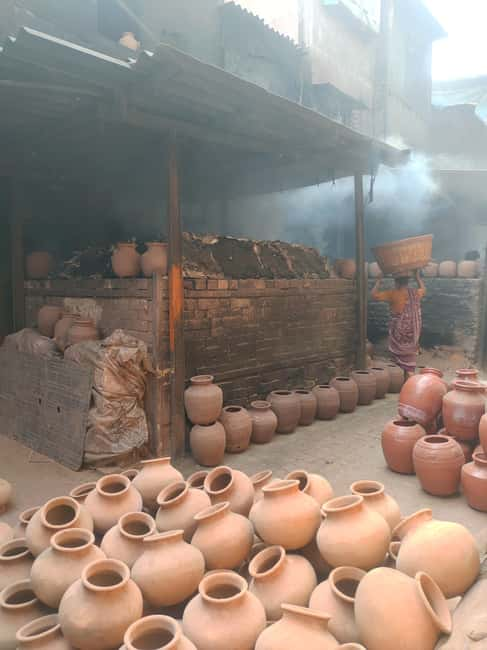
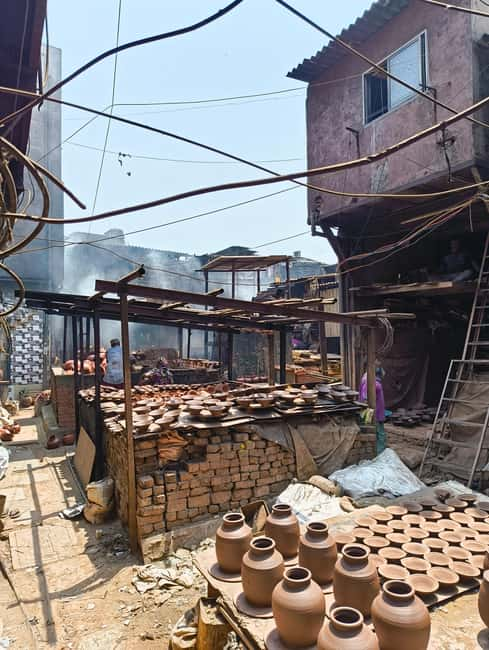
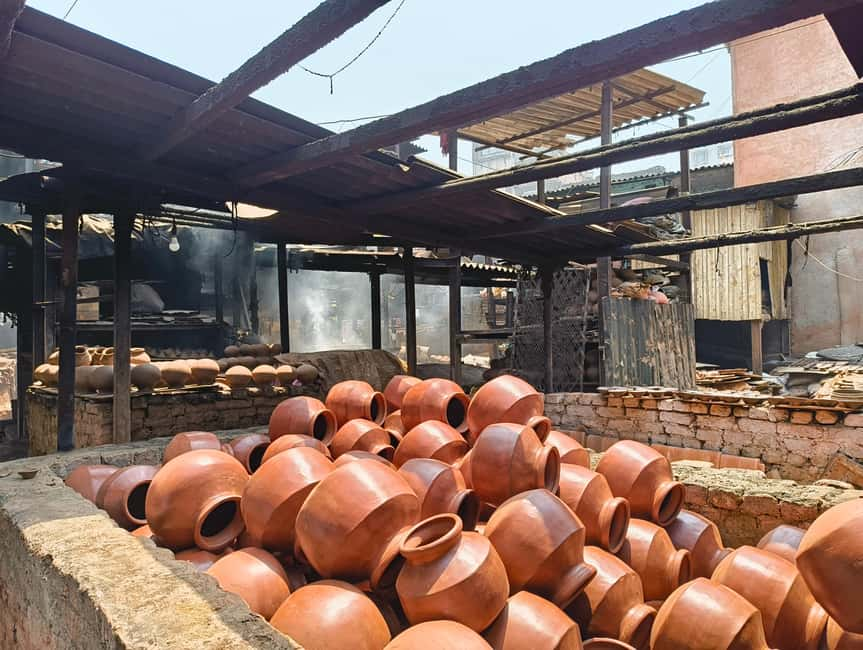
Kumbharwada is known for pottery, and the tour includes a visit to see traditional pot-making skills. This stop changes the pace from recycling and manufacturing sites to a craft with a clear, visible process. Watching a pot take shape can make the work easier to appreciate than hearing about it in the abstract.
It also helps round out the picture of Dharavi. The neighborhood is not defined by one industry or one story; the route touches several kinds of work, from recycled materials to leather and pottery. You can ask your guide what you are seeing, but the details of any demonstration are not guaranteed.
More tours and days out around Mumbai:
- Mumbai: Full-Day Sightseeing Tour of Mumbai
★ 4.9 · 1,822 reviews - Private Mumbai Sightseeing Tour (Traveller’s Choice Award Winner)
★ 5.0 · 1,565 reviews - Elephanta Caves & Island Guided Private Tour
★ 5.0 · 1,327 reviews - Group Guided Walking Tour in Fort and Colaba
★ 5.0 · 1,073 reviews
Speaking With Residents, With Care
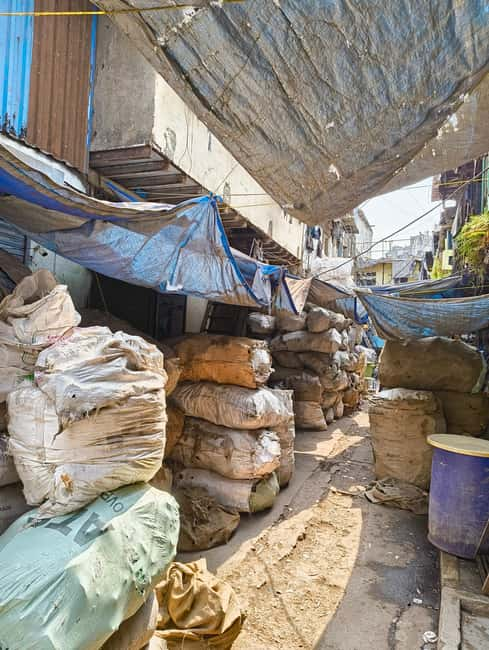
One of the tour’s most useful features is the guide’s help with speaking to locals. A guide can provide a little context, help you make an appropriate introduction and bridge a language gap. That can turn a walk through unfamiliar lanes into a more human exchange, but conversation should remain voluntary and respectful.
The right approach is simple: be curious, not intrusive. Listen to your guide about where to stop and how to behave, and do not assume people want to be photographed or questioned. The tour’s promise is an opportunity to connect, not a guarantee of personal access to residents.
The guides named by people who have taken this tour include Javed, described as enthusiastic and well informed; Ruqaiyya, praised for her English and easy manner; Ravi, who grew up in the area and was noted for knowing its lanes and stories; and Kavita, who also grew up locally. These details suggest that the experience can depend a great deal on who leads it. They are not a promise that you will be assigned a particular guide.
Timing, Price and What You Get
The stated duration ranges from two to three and a half hours, while the Dharavi walk itself is listed as about two hours. Check the available starting time and duration for your chosen option. The longer end of the range gives more room for explanations and stops; if your schedule is tight, leave a buffer rather than planning another activity immediately afterward.
At $4.39 per person, the quoted price is unusually low for a guided neighborhood walk. It includes an English-speaking guide and packaged bottled water, but not meals. The value is less about the water and more about having someone local to explain the setting, guide you through the lanes and help with communication. Check the current price when booking, as prices can change.
You meet at a coffee shop near Mahim station and return to the coffee shop area near the station at the end. The route is on foot, so wear an outfit suited to the weather and comfortable for walking. The guidance also asks women not to wear overly short outfits. Take that as practical advice for visiting a residential neighborhood, and choose clothing that lets you feel comfortable and respectful.
Private groups are available. If you prefer a more personal pace or want to ask questions without keeping up with a larger party, that option may suit you, though the specific group arrangements are not stated. English and Hindi are the listed guide languages.
The activity allows you to reserve now and pay later, and cancellation is free up to 24 hours in advance for a full refund. Those terms offer flexibility, but the key decision is whether this kind of visit matches your interests. You are going to see a lived-in community, not a staged cultural show.
Who Should Take This Walk
I would choose this tour if you want to understand Dharavi through its work and daily routines, and you are comfortable walking through residential streets with a guide. It is especially suited to curious visitors who want to ask questions, learn about local industries and hear from someone who knows the area.
It may not suit you if you are looking for a light sightseeing stop, dislike close quarters or feel uneasy visiting a residential neighborhood as a visitor. The most respectful way to take part is to stay attentive, follow the guide’s advice and remember that people you meet are going about their lives.
Should You Book the Mumbai Dharavi Slum Tour?
Book it if you want a guided, grounded look at Dharavi’s industries, residential lanes and local craft traditions, and if you are prepared to approach the visit with care. The low quoted price makes it a strong value for a guided walk, especially when local explanation and help with conversation are important to you.
Skip it if you want a comfortable, polished attraction with predictable access to every stop. The route’s appeal is its proximity to real work and daily life, and that calls for patience and respect. If that sounds like the kind of experience you want, this is a practical way to see more than a map of unfamiliar alleys.
FAQ
How long does the tour last?
The stated duration is between two and three and a half hours. The Dharavi walking portion is listed as about two hours, and available starting times depend on the option you choose.
Where does the tour meet?
You meet at a coffee shop near Mahim train station on the west side. The exact starting location can depend on the selected option, so check your booking details.
What languages are available?
The live guide languages listed are English and Hindi.
What is included in the price?
An English-speaking guide and packaged bottled water are included. Meals are not included.
What should I wear?
Wear clothing suited to the weather. The tour advises women not to wear overly short outfits.
Can I book a private group?
Yes. A private group option is available.
Can I cancel for a refund?
Yes. You can cancel up to 24 hours in advance for a full refund.
Just added around Mumbai
- Victorian Gothic Heritage Quarter and Art Deco Walking Tour★ 4.9 · 14 reviews
- Mumbai Airport to Mumbai Hotels : Private Transfers★ 5.0 · 13 reviews
- Private Walking Tour in Dharavi Slums★ 5.0 · 7 reviews
- Mumbai Sightseeing Tour★ 5.0 · 11 reviews
- Mumbai by Night Guided Tour★ 5.0 · 6 reviews
- Vegetarian Indian Cuisine Virtual Cooking Class Experience from Mumbai★ 5.0 · 4 reviews
- Private Mumbai 2-Day Tour Package:City + Slum & Elephanta Island.★ 5.0 · 3 reviews
- Taj Mahal Tour From Cruise Port, Mumbai, Cochin and Goa★ 5.0 · 8 reviews
Dharavi Slum Tours, compared.
Dharavi slum tour in Mumbai by Female tour guides of the slum
Read our review →

Dharavi Slum Slumdog Millionaire Tour with a Local
Read our review →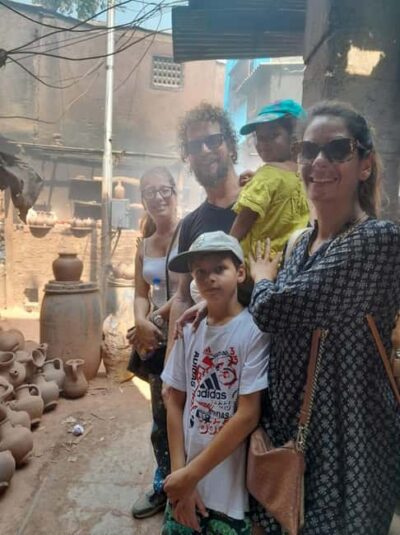
Mumbai Slum Tour – Visit Dharavi Slum with Local Guide
Read our review →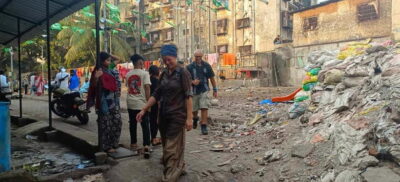
Dhobi Ghat Laundry and Dharavi Slum Tour with Local
Read our review →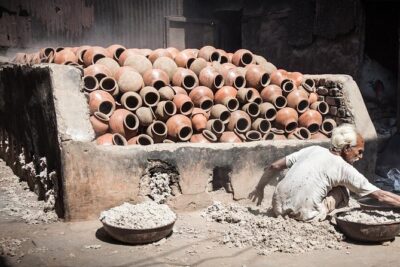
Browse the lists this tour appears in