
Reviewed · DHARAVI SLUM TOURS
Mumbai: Dharavi Slum Walking Tour with Local Slum Dweller
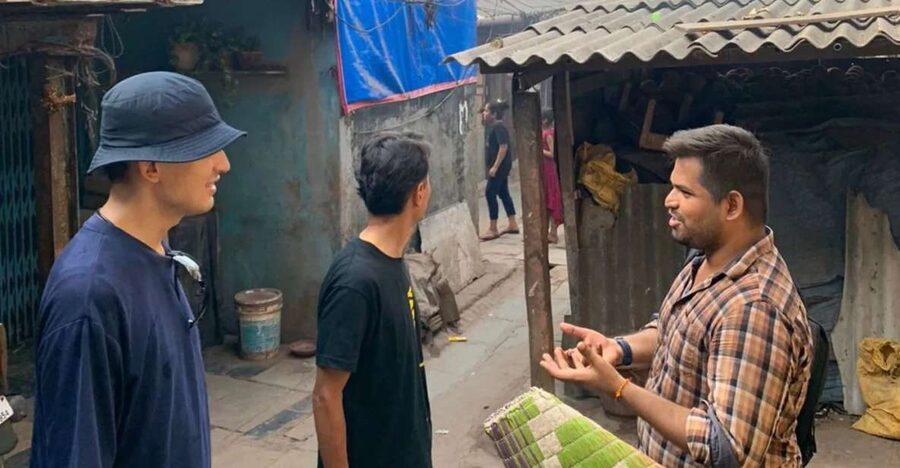
Dharavi is not a place to understand from a car window. On this walk, a local guide leads you through its narrow lanes and working areas, explaining how homes, workshops and businesses fit into daily life. The tour’s strongest feature is that it puts residents, not outside commentary, at the center of the story.
I like two things in particular: the chance to see small-scale industries and recycling at work, and the personal perspective guides can offer, sometimes including an introduction to their own family or home. One consideration: this is a real residential and work neighborhood, not a visitor attraction built for sightseeing, so you’ll need to stay attentive to residents’ privacy and comfort.
- Recycling is a major part of the local economy: See how plastic and vegetable oil cans are reused, and hear about the informal recycling trade.
- Workshops share space with everyday life: The route can pass leather makers, soap manufacturers, dye makers, a bakery, schools, hospitals and homes.
- A local guide sets the tone: Guides named on past tours include Abhishek, Bharti, Dhruvesh, Hardik Tank and Rakesh.
- You can add pottery or lunch: Choose a hands-on pottery session, a vegetarian meal with a local family, or the option that suits you.
- The tour starts and ends at Third Wave Coffee: Water and an English-speaking guide are included; wear closed-toe shoes.
A resident’s perspective on Dharavi
Dharavi is often reduced to a label or a film reference. This walk gives you a fuller picture by showing how people live and work here, with a local guide explaining what you’re seeing as you go. That context matters: an alley, workshop or market can look like a jumble at first, but a resident can explain the trades and routines that make it a functioning neighborhood.
The tour describes Dharavi’s annual economic output as roughly $1 billion, much of it linked to informal recycling. Treat that figure as an estimate, not a precise measure of every business. Its value as context is clear, though: Dharavi is not simply a place people live. It is also a center of production, repair and reuse.
A local guide can help you make sense of these overlapping roles. Several guides have been named by visitors, including Abhishek, Bharti, Dhruvesh, Hardik Tank and Rakesh. Their individual styles will differ, but the practical advantage is the same: you have someone who can answer questions, explain local details and help keep the visit respectful.
From the filming location to working lanes
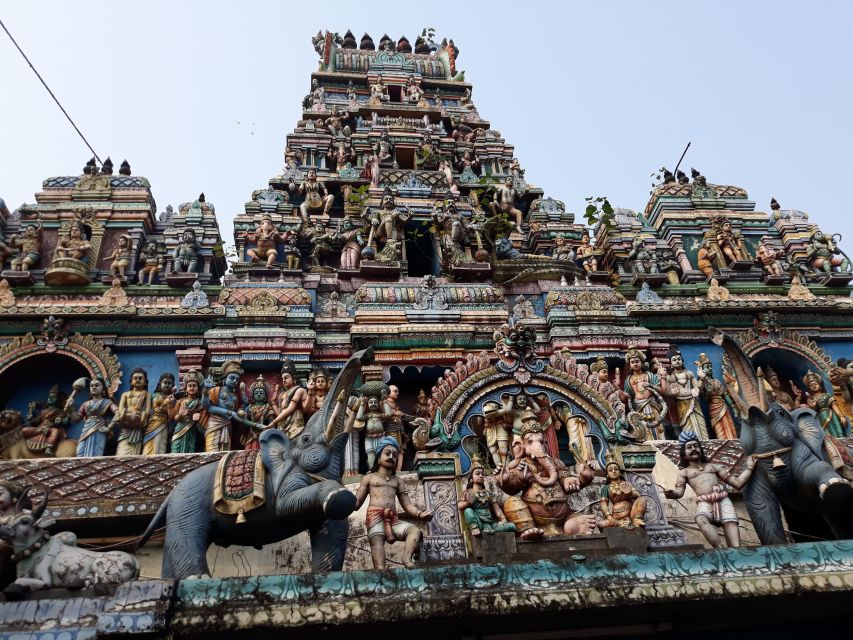
The walk begins after you meet your guide at Third Wave Coffee. From there, the route takes you through parts of Dharavi, including the place where Slumdog Millionaire was filmed. That stop may be familiar from the screen, but the more useful part of the visit is what follows: seeing a neighborhood that is much more than a movie location.
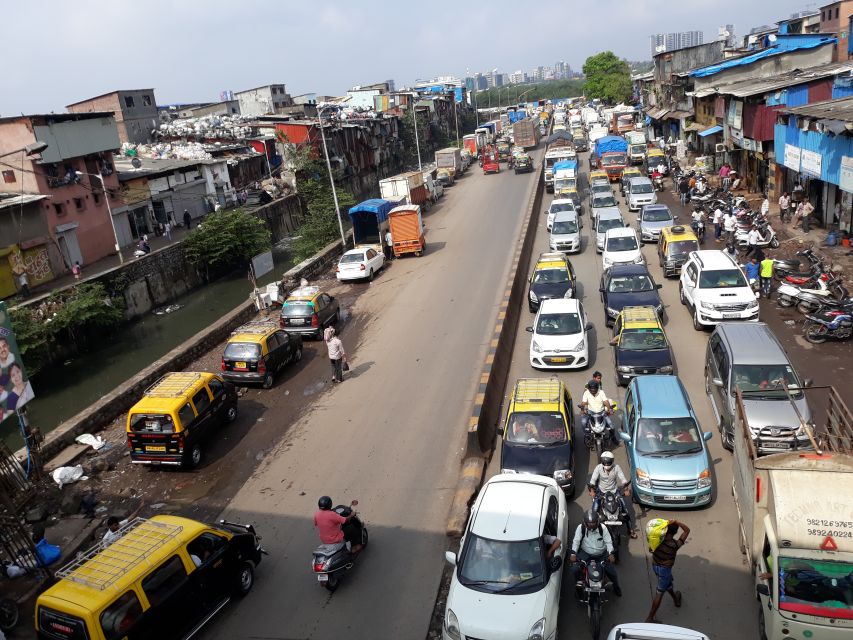
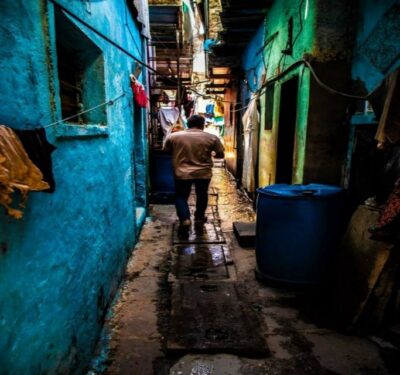
As you continue, expect to pass narrow alleyways and a mix of houses and businesses. The route can include leather workshops, soap makers, colored dye makers, a bakery, schools and hospitals. These are working places, not displays arranged for a tour, so the pace and what you see may depend on what is happening locally.
That proximity is part of the experience, but it calls for a light touch. You are walking through people’s daily routines, not a museum. I’d keep your voice low, follow your guide’s cues and avoid treating workers or residents as photo subjects. The guide’s role is not only to explain the area, but also to help the group move through it without getting in the way.
More Dharavi tours around Mumbai:
- Dharavi slum tour in Mumbai by Female tour guides of the slum
★ 5.0 · 1,976 reviews - Mumbai: Dharavi Slum, DhobiGhat, and Dabbawallas Tour
★ 4.9 · 689 reviews - Dharavi Slum Tour
★ 5.0 · 625 reviews
Recycling, workshops and practical ingenuity
Recycling is one of the most revealing parts of the walk. Your guide explains why plastic recycling matters to the community and shows examples of how materials are reused, including vegetable oil cans. The point is not just to admire clever solutions. It is to see how a local trade supports livelihoods and turns discarded materials into useful goods.
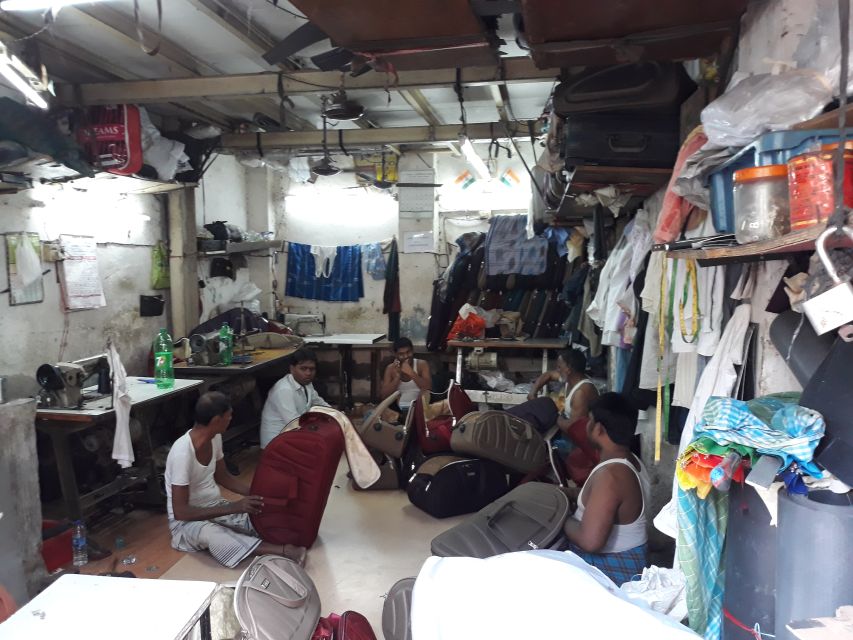
The small scale of many workshops is striking. Leather goods and other products are made in tight spaces, often close to homes and other businesses. You’ll get a look at how work and domestic life share the same neighborhood, rather than being separated into neat commercial and residential zones.
There’s a lot to take in, so it helps to ask questions as you go. Guides have been praised for giving detailed explanations and making time for questions, but you shouldn’t expect a lecture on every business. This is a walk through a living district, and the best conversations may grow from whatever you encounter along the way.
A notable moment on the route is seeing Muslims making a shrine for Hindus. It offers a simple, specific example of cooperation within the community. Rather than making a broad claim about how everyone lives, it lets you see one act of shared care for yourself.
Market lanes and the everyday neighborhood
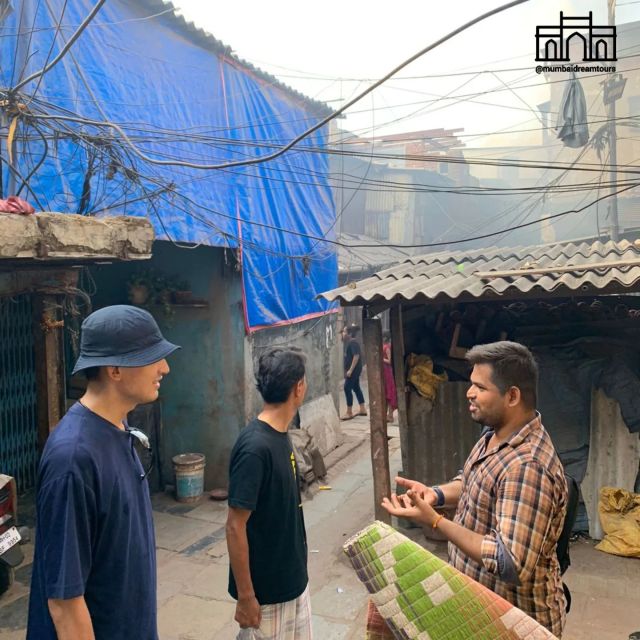
The market area gives you another view of local life. Your guide can point out how commerce works alongside housing and production, and explain what makes the market important to the surrounding community. It is a useful counterweight to the workshops: Dharavi is not only about making things, but also about the daily exchange of food and goods.
You’ll also pass schools, a bakery, hospitals and homes. These details help keep the tour grounded. It’s easy to focus on the unusual or unfamiliar, but the neighborhood’s ordinary services are just as telling. They show the range of needs being met within the area.
The lanes can be narrow, and the walk may feel close to people’s private lives. If you’re uneasy about that, consider whether a guided visit is right for you. A local guide can help frame what you see, but the visitor still has a responsibility to be discreet and respectful.
Optional pottery and lunch with a family

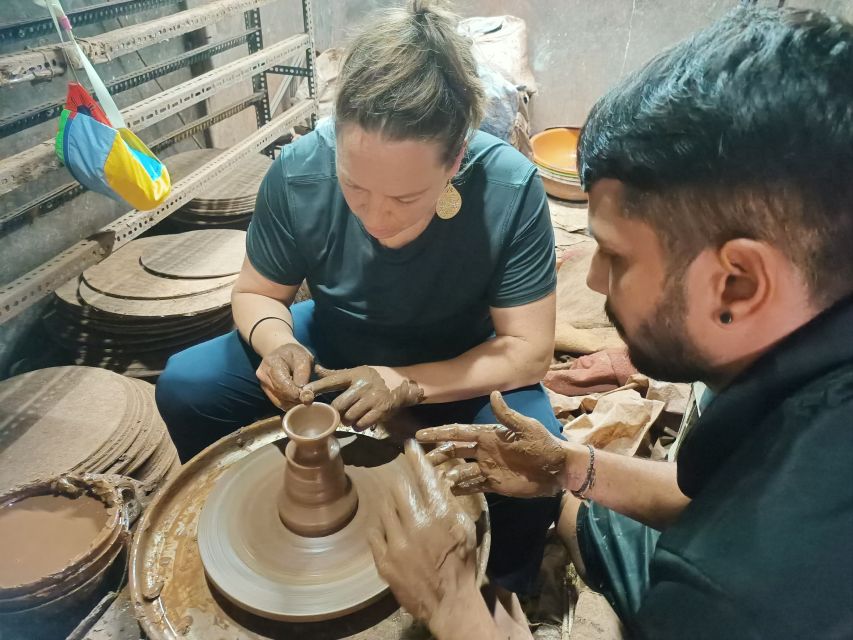
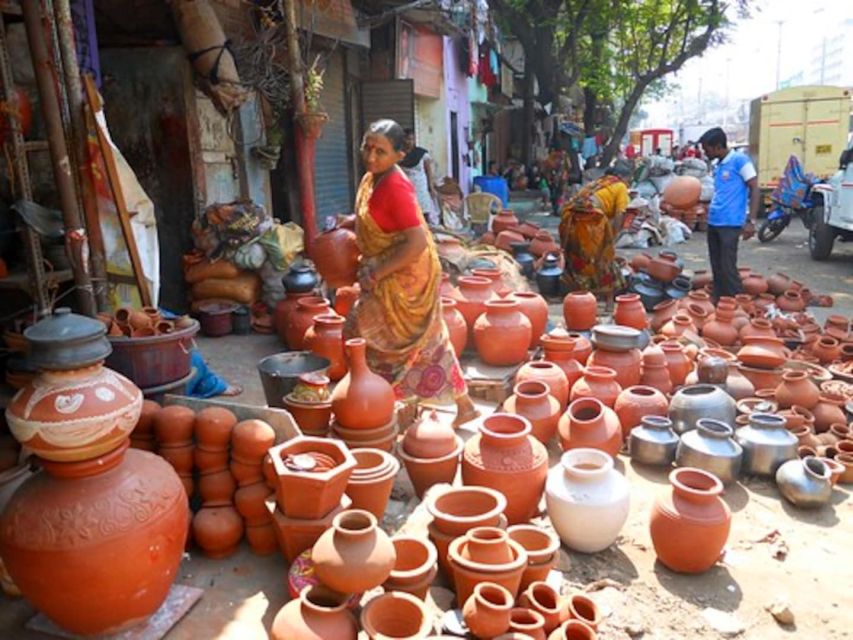
If you choose the pottery option, the tour includes a visit to a local potter’s workshop. You’ll get an introduction to pottery making, then have a chance to try throwing clay on a wheel and make a piece of Kumbharwade art. This is the more hands-on add-on, and a good choice if you’d rather do something than spend the whole visit observing.
The vegetarian lunch option offers a different kind of exchange. You eat with a local family, sitting on the floor and eating with your hands. It’s a chance to share a meal in a home setting, rather than treating the visit as a series of outside observations. Choose this if you’re comfortable with an informal meal and curious about everyday hospitality.
Both options depend on the package you select, so check what’s included before booking. The basic tour includes a guide and water. Lunch and pottery are only included when you choose the relevant option, and the exact extra cost is not specified here.
More walking tours around Mumbai:
- Group Guided Walking Tour in Fort and Colaba
★ 5.0 · 1,073 reviews - Private Guided Walking Tour in Fort & Colaba
★ 5.0 · 895 reviews - Private Guided Walking Tour in Bandra Queen of Suburbs
★ 5.0 · 383 reviews - Private Guided Spiritual Walk in Banganga Hindu Temples
★ 5.0 · 271 reviews
What the $14 price gets you
At $14 per person, the base price is modest for a guided walk with a local perspective. You’re paying for more than a route through the lanes: the guide helps make the neighborhood legible, introduces local context and can answer questions that would be hard to resolve by walking alone.
The value depends on what you want from the visit. If you’re looking for a polished attraction with fixed exhibits, this is not that. The experience is strongest for someone who wants to understand how workshops, recycling, markets and homes operate side by side. The optional lunch or pottery session may add value, but the extra price is not provided, so compare the package details before deciding.
The tour is in English, includes water and returns to the original meeting point. No duration or group size is specified, so check those details with the provider if they matter to your plans. You can reserve now and pay later, and cancellation is permitted up to 24 hours in advance for a full refund.
Who will get the most from this walk
I’d recommend this tour if you’re curious about Mumbai beyond its familiar landmarks and want a resident’s explanation of a place often misunderstood from afar. It suits visitors who are comfortable walking through working areas, listening, asking questions and accepting that some details are best left unphotographed.
It may be less suitable if you want a quiet, highly controlled sightseeing experience or feel uncomfortable entering a residential neighborhood as a visitor. The tour’s value rests on genuine contact with daily life, and that requires care from both guide and group.
For practical preparation, wear closed-toe shoes and bring a scarf. Keep your belongings close and follow your guide’s directions in tight spaces. Most of all, approach the walk with curiosity rather than a checklist of dramatic sights. Dharavi’s workshops and recycling practices are remarkable, but its people are not there to perform for you.
Should you book the Dharavi walk?
Book it if you want a guided, grounded look at Dharavi’s industries and daily life, and you’re prepared to visit respectfully. At $14, the base tour offers good value for a local-led walk; pottery or a family lunch can add a more personal element if those options appeal to you. If your main interest is a film-location photo or a quick look at hardship, choose another activity. This walk is most worthwhile when you’re ready to listen, ask thoughtful questions and see the neighborhood on its own terms.
FAQ

Where does the tour start and end?
Meet your guide at Third Wave Coffee. The activity ends back at the same meeting point.
What language is the tour in?
The tour is offered in English.
How much does the tour cost?
The listed price is $14 per person. The cost of optional lunch or pottery selections is not specified here.
What is included in the basic tour?
The tour includes a guide, water and the Dharavi walk.
Is vegetarian lunch included?
Lunch is included only if you choose the option that includes a vegetarian meal with a local family.
Can I try pottery during the tour?
Yes. You can select an option that includes a visit to a potter’s workshop, an introduction to pottery making and a chance to use a wheel.
What places and activities might I see?
The walk can include leather workshops, soap and dye makers, a bakery, schools, hospitals, homes, the market area and recycling activity. It also visits the place where Slumdog Millionaire was filmed.
What should I bring?
Bring a scarf and wear closed-toe shoes.
Is the tour refundable if I cancel?
You can cancel up to 24 hours in advance for a full refund.
Can I reserve without paying right away?
Yes. The reserve-and-pay-later option lets you hold a spot without paying today.
Just added around Mumbai
- Victorian Gothic Heritage Quarter and Art Deco Walking Tour★ 4.9 · 14 reviews
- Mumbai Airport to Mumbai Hotels : Private Transfers★ 5.0 · 13 reviews
- Private Walking Tour in Dharavi Slums★ 5.0 · 7 reviews
- Mumbai Sightseeing Tour★ 5.0 · 11 reviews
- Mumbai by Night Guided Tour★ 5.0 · 6 reviews
- Vegetarian Indian Cuisine Virtual Cooking Class Experience from Mumbai★ 5.0 · 4 reviews
- Private Mumbai 2-Day Tour Package:City + Slum & Elephanta Island.★ 5.0 · 3 reviews
- Taj Mahal Day Trip Including Same Day Flights from Mumbai★ 5.0 · 3 reviews
Dharavi Slum Tours, compared.
Dharavi slum tour in Mumbai by Female tour guides of the slum
Read our review →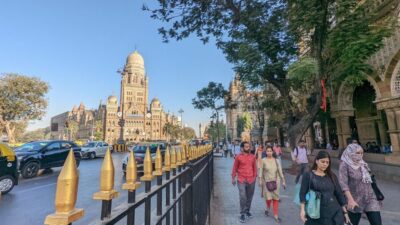
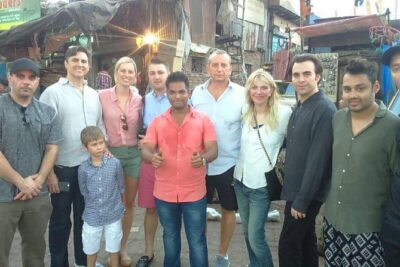

Dharavi Slum Slumdog Millionaire Tour with a Local
Read our review →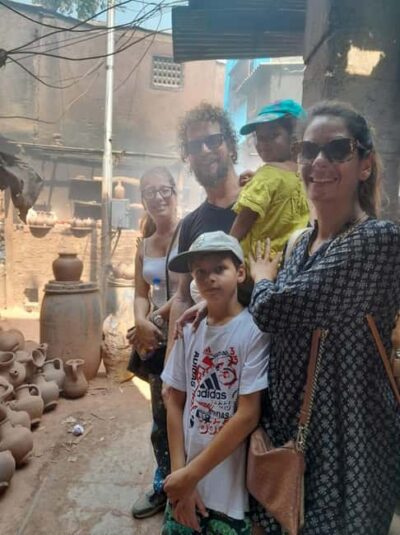
Mumbai Slum Tour – Visit Dharavi Slum with Local Guide
Read our review →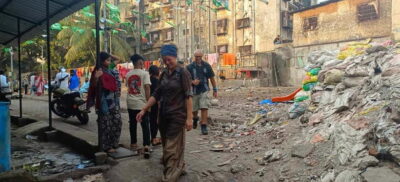
Dhobi Ghat Laundry and Dharavi Slum Tour with Local
Read our review →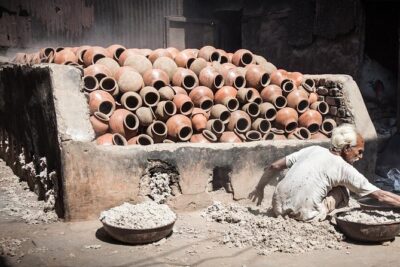
Browse the lists this tour appears in