
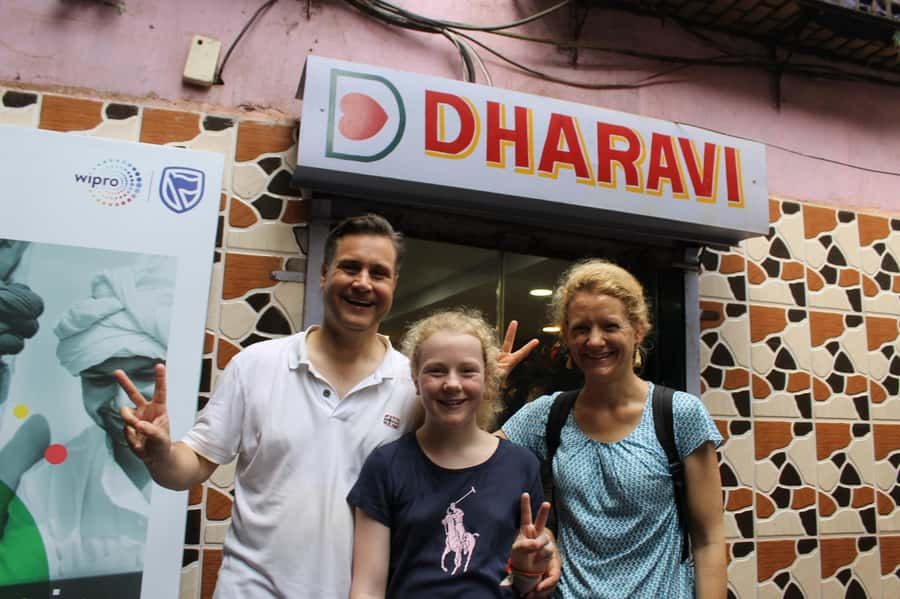
Reviewed · DHARAVI SLUM TOURS
Mumbai: Dharavi Slumdog Tour -See the real Slum with a Local
Dharavi is not a film set or a single story about poverty. It is a lived-in Mumbai neighborhood where homes and small industries share tight quarters, and a local guide can help you understand how daily life and work fit together. The tour visits residential areas, workshops and a location used in Slumdog Millionaire.
I like two things in particular: the chance to hear from a guide who lives in Dharavi, and the look at practical work such as plastic recycling, garment production and leather making. One consideration is that this is a visit to people’s homes and workplaces, not a staged attraction, so you’ll need to be thoughtful about privacy and comfortable with close-up views of everyday life.
What to know before you book
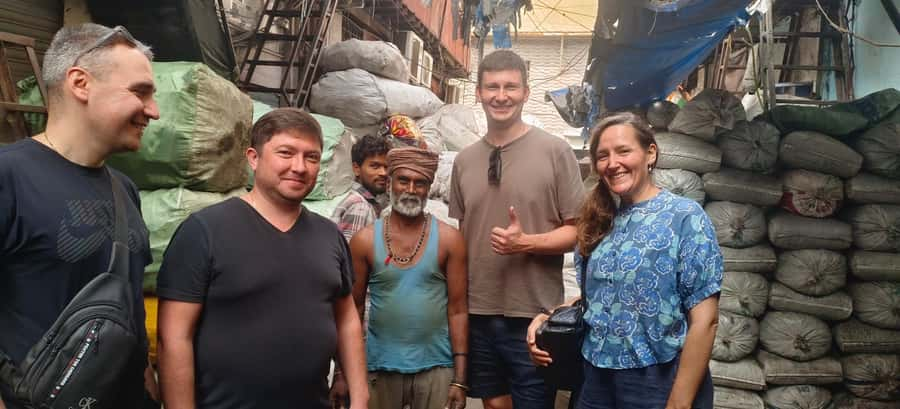
- A resident guide leads the walk: Guides named by past guests include Zeeshan, Bharti, Abishek, Mohammed, Faizan and Rakesh. Your assigned guide may be someone else.
- Work is a central part of the visit: Expect to learn about plastic recycling, garments and textiles, leather and metal businesses.
- Home life is part of the picture: You’ll see where people live, work and spend time with family, as well as areas where children play.
- There’s a Slumdog Millionaire connection: The tour includes a filming location inside Dharavi.
- Meet at Third Wave Coffee in Mahim: The cafe is opposite Mahim railway junction, on the west side. The tour ends back at the meeting point.
- The advertised price is $4.99 per person: Entry tickets and water are included, making it an inexpensive way to visit with a guide rather than trying to make sense of the area on your own.
Seeing Dharavi beyond the movie image
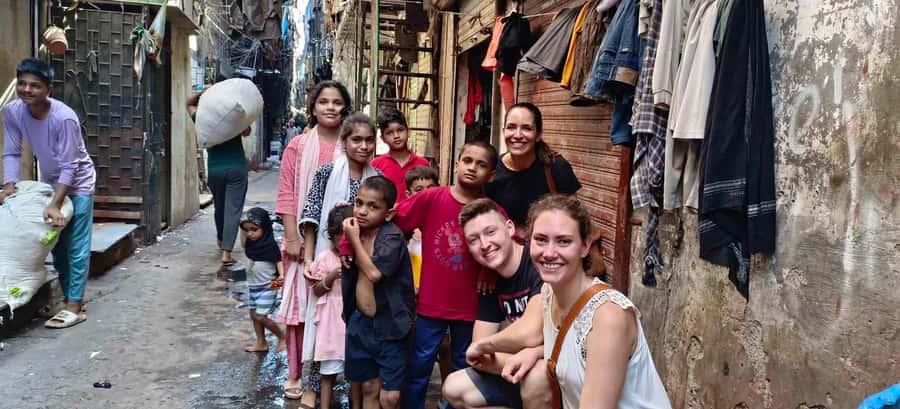
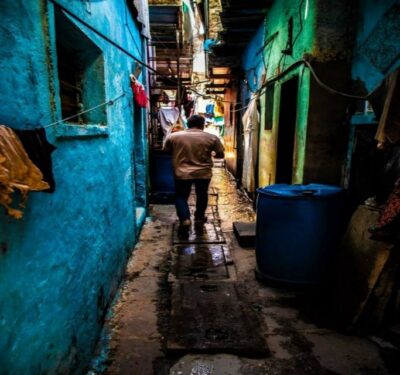
The word slum can flatten a place into a label. Dharavi is a large, densely populated part of Mumbai, but this tour aims to show you more than crowding or hardship. You’ll see a neighborhood where people make a living, raise families and run businesses amid difficult conditions.
That fuller picture is what makes a guided visit worthwhile. A local guide can explain what you are looking at, offer context for the work happening around you and help you understand how residential and industrial life overlap. Past guides have included people who grew up in or live in Dharavi, including Zeeshan and Bharti. That personal perspective can add meaning that a self-guided walk would lack.
I also appreciate that the tour is framed as a way to challenge stereotypes, rather than as a safari through other people’s lives. Still, good intentions do not remove the need for care. You are entering a community, not a museum. Listen to your guide, keep your attention on the people and places around you, and ask before photographing anyone.
More Dharavi tours around Mumbai:
- Dharavi slum tour in Mumbai by Female tour guides of the slum
★ 5.0 · 1,976 reviews - Mumbai: Dharavi Slum, DhobiGhat, and Dabbawallas Tour
★ 4.9 · 689 reviews - Dharavi Slum Tour
★ 5.0 · 625 reviews
Starting at Third Wave Coffee in Mahim
The meeting point is Third Wave Coffee in Mahim, opposite Mahim railway junction on the west side. You can wait outside or sit inside the cafe; the guide will meet you there and ask your name. This clear rendezvous matters in a busy city, especially if you are new to Mahim.
The tour ends back at the same meeting point, so you do not need to plan for a different drop-off location. The available details do not give a tour duration or group size, so check those before booking if you have a tight schedule or prefer a smaller group.
English is the listed language. Water and the entry ticket for the visit inside Dharavi are included, so you will not need to arrange those separately. Pets are not allowed.
Homes, work and the everyday rhythm
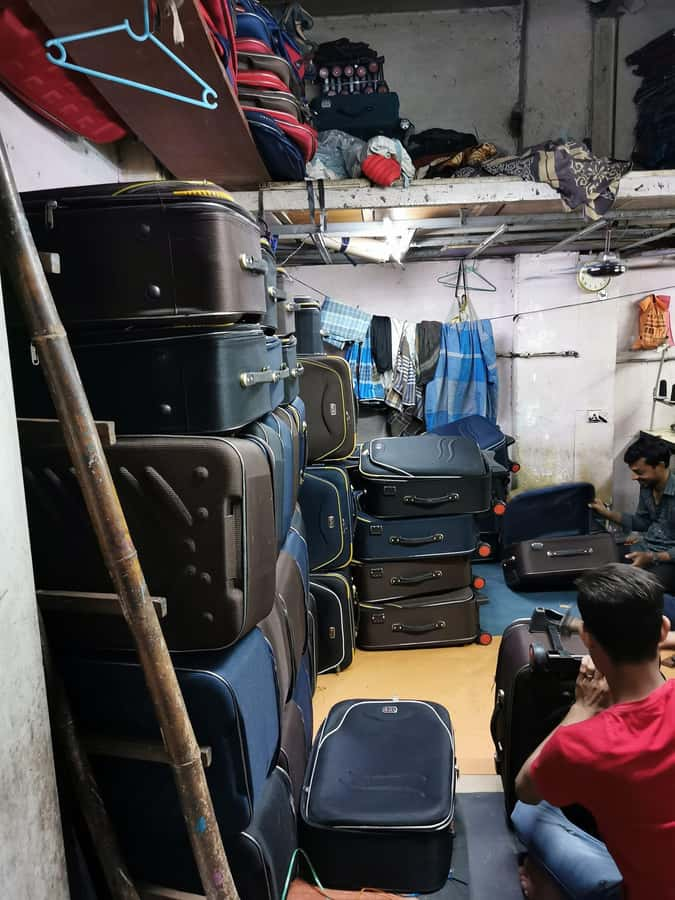
Inside Dharavi, the guide shows you places where people live, work and spend time with family. You may see children playing and daily routines unfolding alongside workshops and commercial activity. The point is not to inspect people’s private lives, but to understand how a community functions in limited space.
A good guide makes a difference here. Abishek was praised for giving a useful amount of information while leaving room for questions. Bharti, who lives in Dharavi with her family, was noted for offering a personal perspective while being sympathetic to residents’ privacy. Those are qualities worth looking for: clear explanations, room for conversation and a sense of when not to intrude.
You should expect a sober, sometimes confronting visit. The tour does not turn difficult living conditions into a cheerful spectacle, and it should not. But it also makes space for the skill, enterprise and cooperation involved in daily life. The contrast can be striking: the same lanes that serve as paths between homes may also connect workshops and businesses.
Workshops that turn waste into work
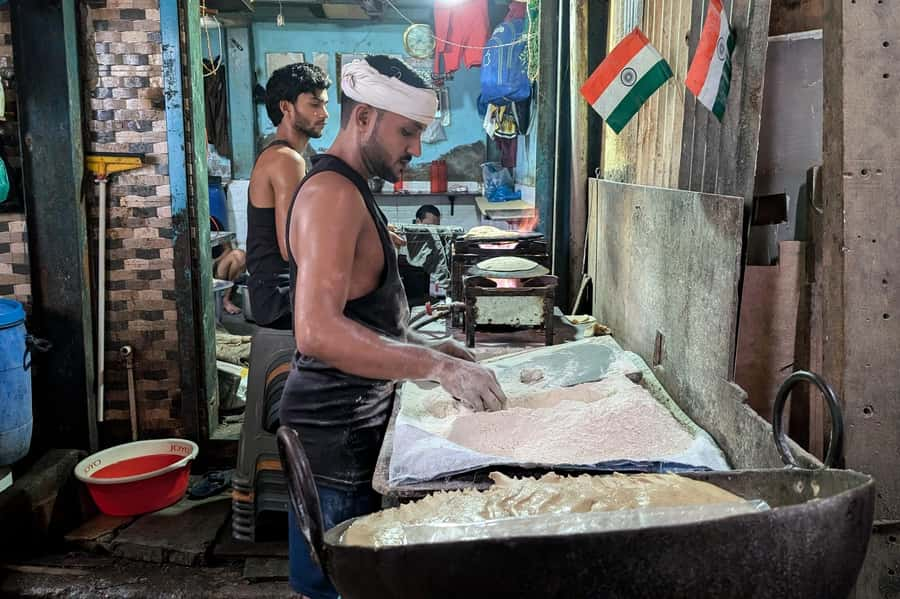
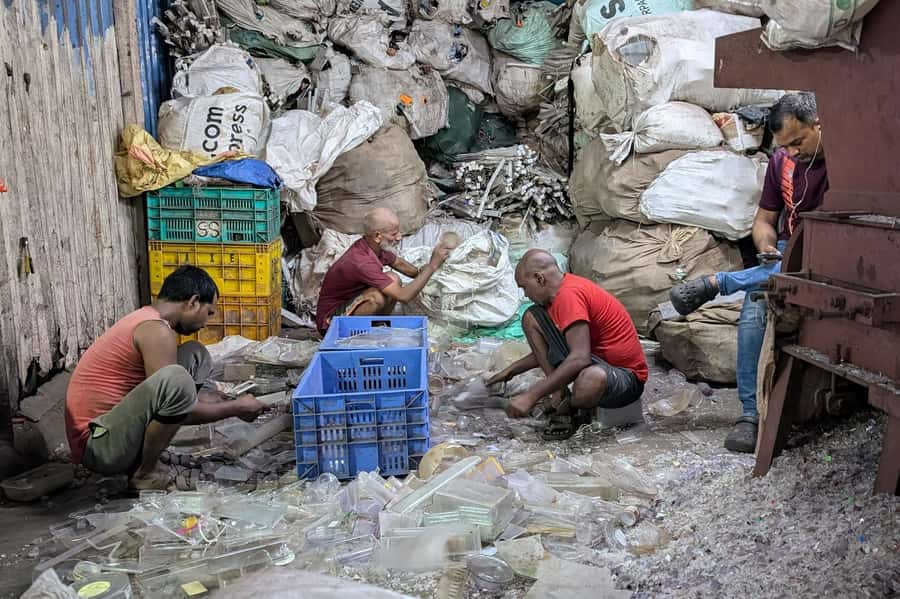
The tour focuses on industries operating within Dharavi, including plastic recycling, garments and textiles, leather and metal. Instead of treating the area only as a residential neighborhood, the guide helps you see it as a place of production, where materials are processed and goods are made.
Plastic recycling is one of the clearest examples of the practical work you may encounter. The tour describes recycling activity alongside other small industries, and the visit can help you see how much work takes place behind the scenes of ordinary goods. Garment and textile work, leather production and metal businesses add to that picture.
One guide also showed a laundry area, explaining how individual laundry lots are managed from collection through processing and delivery. That stop is not guaranteed on every route, but it illustrates the value of having someone explain a process as you see it. Without that context, you might notice the activity but miss how the work is organized.
The tour states that Dharavi’s businesses generate around $1 billion in annual income. Treat that figure as a broad measure of the area’s economic activity, not as a claim that residents share equally in that wealth. The important takeaway is that Dharavi is not only a place where people live. It is also a major center of work and enterprise.
More tours and days out around Mumbai:
- Mumbai: Full-Day Sightseeing Tour of Mumbai
★ 4.9 · 1,822 reviews - Private Mumbai Sightseeing Tour (Traveller’s Choice Award Winner)
★ 5.0 · 1,565 reviews - Elephanta Caves & Island Guided Private Tour
★ 5.0 · 1,327 reviews - Group Guided Walking Tour in Fort and Colaba
★ 5.0 · 1,073 reviews
A film location, with real life around it
The tour visits a place where Slumdog Millionaire was filmed. That connection may interest you if you know the movie, but the more useful part is seeing the location within the neighborhood that exists beyond the screen.
A film can make a setting memorable while leaving out the everyday context. Here, the guide can help connect the screen image to homes, businesses and routines that continue after filming ends. Keep the movie detail in proportion: it is one stop in a tour focused on Dharavi itself, not the main event.
The name Slumdog Millionaire may also shape what you expect to see. Go in ready to question that image rather than confirm it. The tour’s purpose is to show a place with many sides, including hard conditions and impressive work, not to prove that a film captured the whole story.
How a local guide shapes the visit
The guide is the key to this experience. Zeeshan was praised for explaining complex subjects through simple comparisons and for giving visitors a sense of Dharavi’s history and varied industries. Mohammed was described as friendly and informative, while Faizan was noted for keeping the walk engaging. These names give you a sense of the guiding team, but they are not a promise that one particular person will lead your tour.
A local guide can also help make conversations feel more natural. You can ask how different communities live and work alongside one another, how a business operates, or what daily life looks like. One guide used her own experience as a Dharavi resident to explain the area, bringing a personal viewpoint that a visitor could not supply.
That does not mean every question has a simple answer. Dharavi is complex, and one walk cannot explain every part of it. I would treat the tour as a thoughtful introduction, then keep your conclusions open rather than expecting a neat summary of a large community.
Respect, privacy and the occasional commercial stop
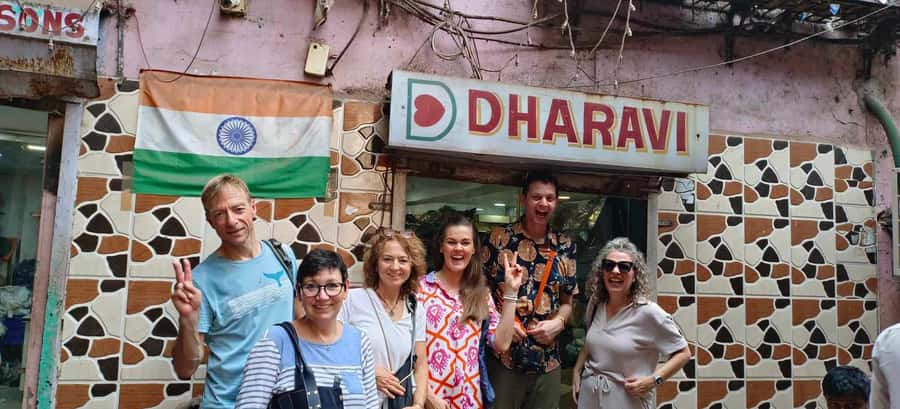
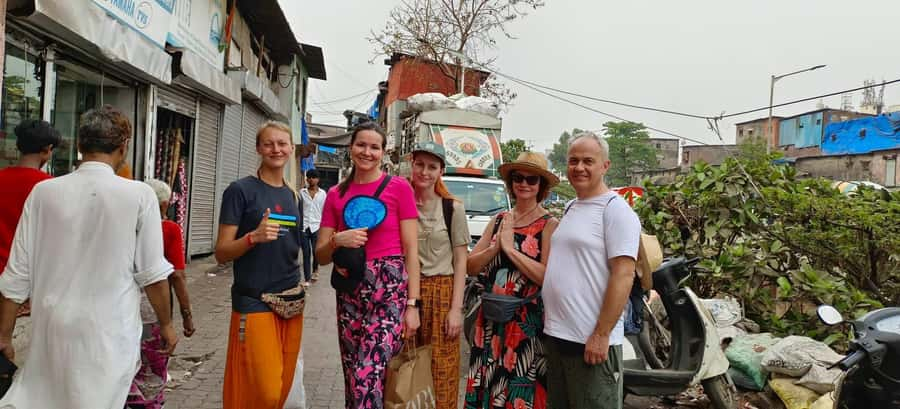
The tour emphasizes respectful access with a resident guide. That is a useful safeguard, but you still have a part to play. Follow the guide’s lead around homes and workplaces, avoid blocking narrow routes and ask before taking photographs. The supplied information does not set out a photography policy, so check directly with your guide rather than assume.
There is one possible drawback to keep in mind: a leather shop may be included near the end of the visit. A stop like this can be useful if you want to see products made locally, but it can feel uncomfortable if you feel pressured to buy. One account of the experience raised concerns about high prices and whether the people doing production work benefit from shop sales.
If you are not interested in shopping, ask your guide at the start whether a store stop is part of your route and whether you can opt out. That is a fair question, and it can help you decide what the visit will involve. The tour should stand on its educational value, not on your willingness to purchase anything.
Is $4.99 good value?
At $4.99 per person, the price is low for a guided visit that includes an English-speaking local resident guide, entry tickets and water. The strongest value is not the list of inclusions, though. It is having someone explain the industries and neighborhood life as you walk, and help you make sense of what you see.
That price also makes it easier to choose a guided visit over an unaccompanied one. Dharavi is a lived-in community, so going with a resident guide offers context and a more respectful way to approach the area. Still, check what the price covers and whether any optional purchases or other costs apply. The available information does not specify tour length, group size or transport beyond the meeting point.
The booking terms allow you to reserve and pay later, and you can cancel up to 24 hours in advance for a full refund. Those options offer flexibility if your Mumbai plans are still taking shape.
Who will appreciate this walk
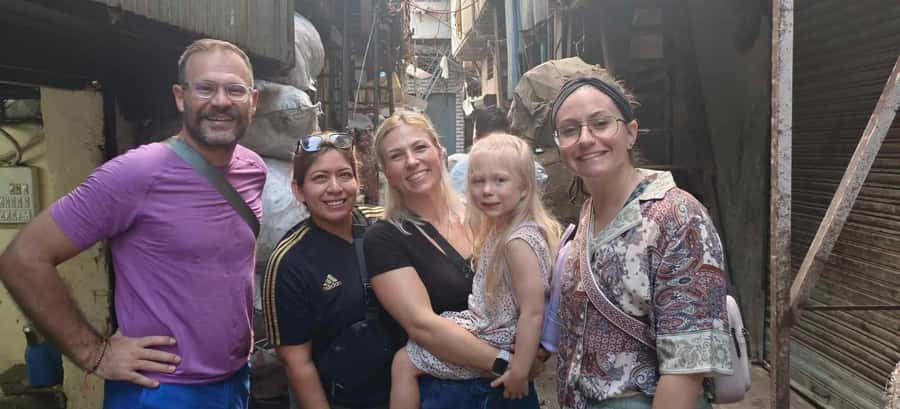
This tour suits you if you want to understand a working neighborhood rather than tick off a movie location. It is especially useful if you are interested in small-scale industry, recycling, the way homes and workplaces share space, or hearing about Dharavi from someone who lives there.
It may be less suitable if you want a polished attraction, a light sightseeing stroll or a tightly specified itinerary. The subject can be confronting, and the visit asks you to pay attention to people’s privacy. If you are uneasy about entering residential areas or uncertain about the ethics of slum tourism, consider whether a local guide and a respectful approach feel right for you.
Should you book the Dharavi tour?
I would book this tour if you want a local-led introduction to Dharavi’s homes, industries and daily routines, and you are prepared to visit with care. Its low price, resident guide and range of work-related stops make it a strong value for a short, focused look at an important part of Mumbai.
Before you go, ask about the route, duration, group size and whether the leather shop is included. Those details are not specified here, and they can shape the experience. If the answers suit your plans, this is a thoughtful way to see beyond the familiar movie image and learn from someone with a close connection to the neighborhood.
FAQ
Where does the tour start and end?
It starts at Third Wave Coffee in Mahim, opposite Mahim railway junction on the west side. The tour ends back at the same meeting point.
What language is the tour in?
The listed language is English.
What is included in the price?
The tour includes an English-speaking local resident guide, entry tickets to visit inside Dharavi and water.
Which industries might I see?
The tour covers businesses such as plastic recycling, garment and textile work, leather production and metal work. A laundry area may also feature, depending on the route.
Does the tour visit a Slumdog Millionaire filming location?
Yes. The tour includes a place inside Dharavi where Slumdog Millionaire was filmed.
Can I cancel, and when do I pay?
You can reserve and pay later. You can cancel up to 24 hours in advance for a full refund.
Just added around Mumbai
- Victorian Gothic Heritage Quarter and Art Deco Walking Tour★ 4.9 · 14 reviews
- Mumbai Airport to Mumbai Hotels : Private Transfers★ 5.0 · 13 reviews
- Private Walking Tour in Dharavi Slums★ 5.0 · 7 reviews
- Mumbai Sightseeing Tour★ 5.0 · 11 reviews
- Mumbai by Night Guided Tour★ 5.0 · 6 reviews
- Vegetarian Indian Cuisine Virtual Cooking Class Experience from Mumbai★ 5.0 · 4 reviews
- Private Mumbai 2-Day Tour Package:City + Slum & Elephanta Island.★ 5.0 · 3 reviews
- Taj Mahal Day Trip Including Same Day Flights from Mumbai★ 5.0 · 3 reviews
Dharavi Slum Tours, compared.
Dharavi slum tour in Mumbai by Female tour guides of the slum
Read our review →

Dharavi Slum Slumdog Millionaire Tour with a Local
Read our review →
Mumbai Slum Tour – Visit Dharavi Slum with Local Guide
Read our review →
Dhobi Ghat Laundry and Dharavi Slum Tour with Local
Read our review →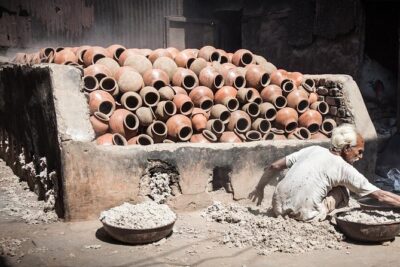
Browse the lists this tour appears in