
Reviewed · DHARAVI SLUM TOURS
Mumbai Dharavi Slum, Dhobi Ghat & Dabbawala Lunchbox Tour
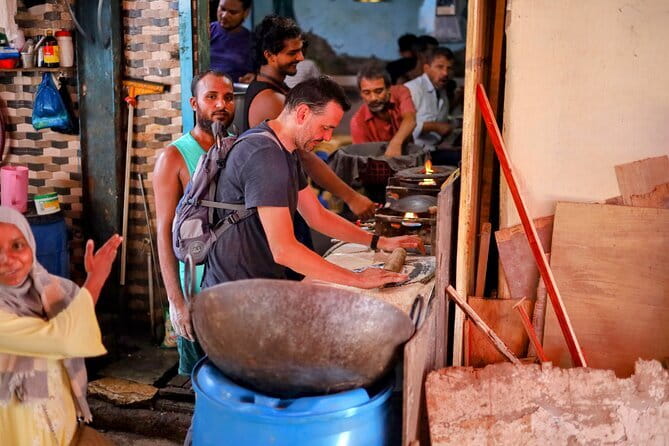
Dharavi’s narrow lanes and small workshops tell a more useful story about Mumbai than a view from a hotel rooftop can. On this 3.5-hour walk, you see work, homes, and local enterprise up close, then connect that daily life to two other city institutions: Dhobi Ghat’s communal laundry and the dabbawala meal-delivery network.
I like the three very different stops and the guides’ strong local connection. Subhan, for example, lives in Dharavi, and guests have praised his careful explanations and the sense of ease he brings to the walk. I also like that the tour makes room for questions rather than treating each stop as a quick photo opportunity.
The main consideration is the pace on foot. The tour covers several neighborhoods in a short time, and its 1.5 hours in Dharavi includes walking through compact lanes. It is not suitable for wheelchair users or people with mobility impairments, and children under five are not eligible.
At a glance: three sides of Mumbai in 3.5 hours
- Dharavi’s small industries: See work tied to recycling, pottery, textiles, and leather goods, and learn how local workshops fit into a wider network of businesses.
- Dhobi Ghat from close range: Watch washermen carry out traditional laundry work in Mumbai’s long-running open-air laundry.
- The dabbawala operation: Get an introduction to the system that sorts and delivers home-cooked meals around the city.
- A guide with local ties: Guides have included Subhan, who lives in Dharavi, as well as Jay, Ravi, Javed, Sharron, and Yash. The guide assigned to your departure can vary.
- A modest price, with a few exclusions: At $17 per person, the tour includes a local guide and local transport, according to the activity details. Meals, drinks, and transport to the meeting point are not included.
- A small-group walk: The format is intended to be personal and interactive, but you should still expect sustained walking and close quarters in some lanes.
Dharavi is more than a headline
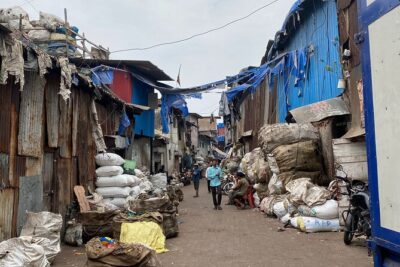
Dharavi is often reduced to a single label. This tour gives you a chance to see the area through its work and daily routines instead: workshops, small businesses, homes, and the links between them. The tour description specifically names recycling, pottery, textiles, and leather goods, which helps set expectations. You are not visiting a single factory or museum. You are walking through a lived-in neighborhood where work and home life can sit close together.
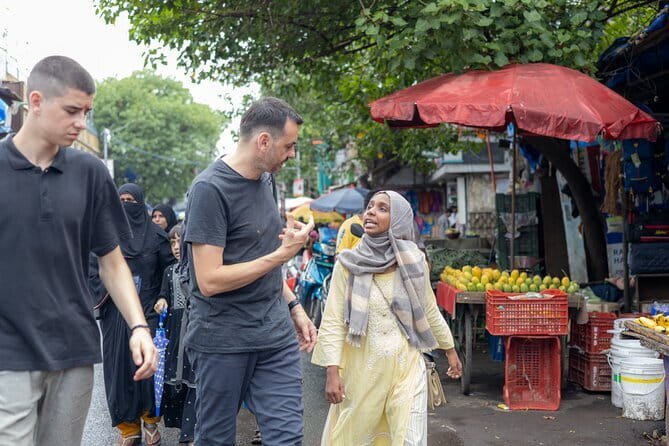
The 90-minute Dharavi visit is the longest part of the schedule, and for good reason. It gives your guide time to explain how small businesses operate and how residents make a living, rather than simply pointing out a few lanes and moving on. Several guides have been praised for answering questions patiently and explaining the area with personal knowledge. Subhan, in particular, has been described as a local resident, a connection that can give the conversation added context.
That local perspective matters. Dharavi is not just a place to observe; it is a community where people live and work. Approach the walk with curiosity and respect. If you want to take photographs, be considerate around residents and workers, and ask permission before photographing individuals. The supplied details recommend bringing a camera, but they do not spell out photography rules for every location.
You may find the close-up view emotionally striking. One account described homes so small that several people could fit in a room barely the size of a dining table, alongside the warmth and care shown toward stray animals. That kind of detail can challenge easy assumptions, but remember that no single walk can represent every person’s experience. The guide’s explanations are valuable precisely because they help you see a range of work and daily life, not reduce the neighborhood to hardship.
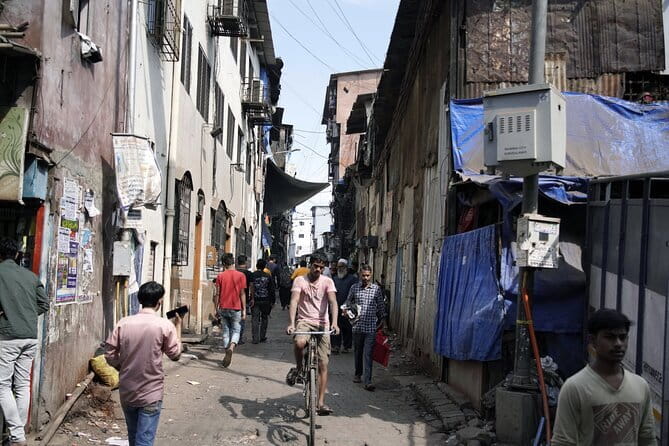
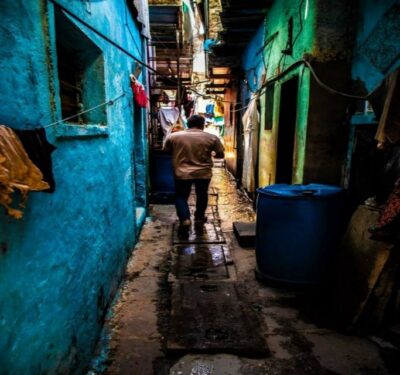
There is also a practical side: narrow lanes and a lot of walking. Wear shoes you can comfortably use for several hours, carry water, and be ready to move through tight spaces. If you need step-free access or have difficulty walking, this is not the right tour.
More Dharavi tours around Mumbai:
- Dharavi slum tour in Mumbai by Female tour guides of the slum
★ 5.0 · 1,976 reviews - Mumbai: Dharavi Slum, DhobiGhat, and Dabbawallas Tour
★ 4.9 · 689 reviews - Dharavi Slum Tour
★ 5.0 · 625 reviews
Dhobi Ghat: laundry on a city scale
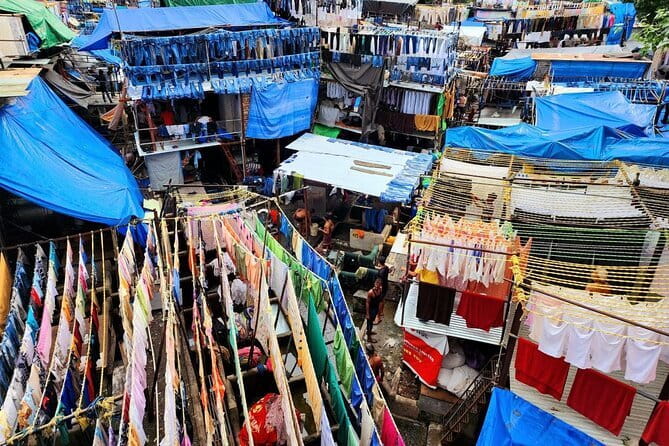
Dhobi Ghat is Mumbai’s historic open-air laundry, where washermen, known as dhobis, carry out traditional washing in a shared work setting. The tour sets aside about 35 minutes here. That is enough to see the operation and hear how the work is done, though it is a shorter stop than Dharavi.
The visual appeal is immediate: clothes being washed, scrubbed, and hung to dry in an organized communal space. But the useful part is understanding that this is not a staged display. It is a workplace and a continuing tradition, part of the city’s day-to-day life despite Mumbai’s rapid changes.
Some guides have been able to take groups inside or closer to the working area, giving a more direct view than a distant lookout alone. The exact access can depend on how the visit is arranged, so do not assume every departure follows precisely the same route. Either way, your guide’s context helps make sense of what you are seeing and how the laundry functions.
This stop offers a good contrast with Dharavi. One is a network of small businesses and homes; the other is a concentrated work site with a clear task and rhythm. Together, they show how much of Mumbai’s character comes from practical systems that keep the city running.
Dabbawalas: a lesson in everyday logistics
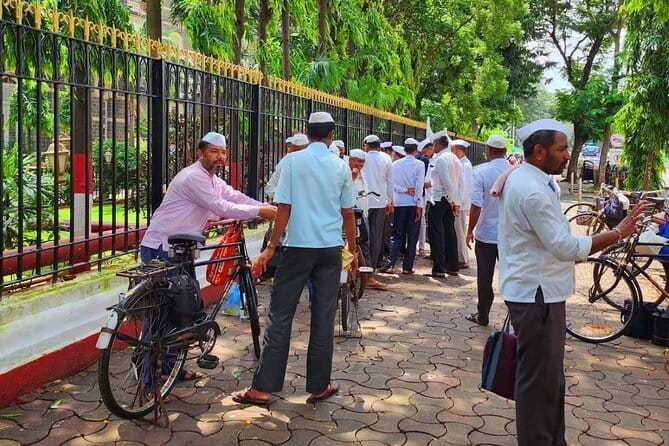
The dabbawala system delivers home-cooked meals across Mumbai. The tour gives this subject about 40 minutes, including an explanation of how lunchboxes are sorted, moved, and delivered with a high degree of organization and little reliance on technology.
The point is not simply that the system is efficient. It is that a complex service can depend on coordination, routine, and clear methods rather than screens and apps. Your guide can explain the system’s history and its place in Mumbai’s food culture, helping you connect one mealbox to the many people and steps behind its journey.
This stop is described as a guided visit, not a meal. Food and drinks are not included, so do not book expecting lunch as part of the price. The tour name may suggest a shared meal, but the activity is about learning how the lunchbox network works.
The dabbawala segment also gives the route a useful frame. Dharavi’s enterprises, Dhobi Ghat’s laundry work, and the meal-delivery network all rely on people organizing labor and solving practical problems. You leave with a clearer sense of how daily systems shape the city, not just what its famous sights look like.
The route, meeting point, and walking pace
The listed route begins at one of two possible starting locations, both identified as Burger King, and finishes at one of two drop-off locations, both listed as Third Wave Coffee. Meeting details may vary depending on the option you book, and the exact information is provided after booking. Check those details before setting out rather than assuming the route begins at the branch nearest your hotel.
The three guided segments total about 2 hours and 45 minutes: 40 minutes for the dabbawalas, 35 minutes at Dhobi Ghat, and 1.5 hours in Dharavi. The overall activity lasts 3.5 hours, so the remaining time allows for movement between stops and the practical needs of a walking tour.
Local transport is included according to the activity highlights, while transport to the meeting point is not. The details do not specify the exact form of local transport or how much of the route is walked, so plan for both movement between areas and sustained walking at the stops. The experience is explicitly described as involving lots of walking.
The tour is in English and uses a local guide. The small-group format is meant to allow a more personal visit, with time for questions. Guides named by past participants include Subhan, Jay (also identified as Jawwad), Ravi, Javed, Sharron, and Yash. These names are useful context, not a guarantee that a particular guide will lead your date.
More Dhobi Ghat visits around Mumbai:
- Mumbai: Dhobi Ghat Laundry and Dharavi Slum Tour with Local
★ 5.0 · 469 reviews - Mumbai: Dharavi Slum and Dhobi Ghat Laundry Tour
★ 5.0 · 317 reviews - Private Combo Tours Sightseeing + Dharavi Slum + Dhobi Ghat & Dabbawalas
★ 5.0 · 245 reviews - Dharavi, Dhobighat, and Mumbai Dabbawallas
★ 5.0 · 168 reviews
Is $17 good value?
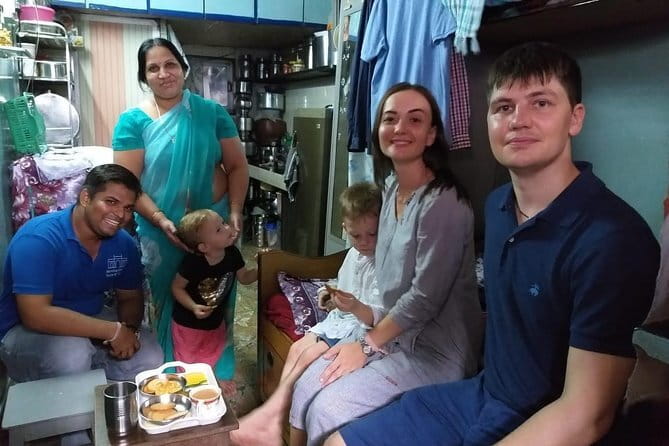
At $17 per person, this is a strong-value way to see three distinct parts of Mumbai in one outing. The price covers a guide and, according to the activity details, local transport. You also get a planned route and someone who can explain the social and practical context behind what you see. That guidance is especially valuable in Dharavi, where a walk without context could leave you with more assumptions than understanding.
The tour does not include meals or drinks, and you must make your own way to the meeting point. Bring a water bottle and have a meal before or after if you need one. At this price, the experience is not a luxury outing with catered stops; its value lies in access, interpretation, and a compact route through places you might not understand as well on your own.
The schedule is also efficient for a short stay in Mumbai. In half a day, you get a look at local industry, laundry work, and food delivery. The trade-off is limited time at each stop, especially the 35-minute Dhobi Ghat visit. If one subject matters most to you, ask the guide questions while you are there, since the route moves on.
Who should book this walk?
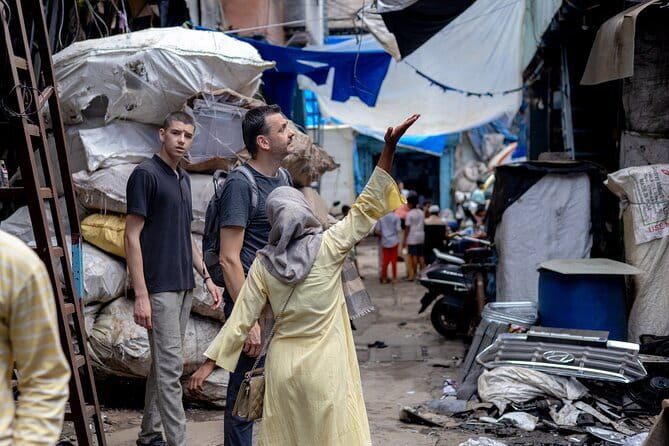
I would recommend it to curious adults who want to understand how Mumbai works at street level, not just collect landmark photos. It suits visitors who are comfortable walking, open to asking questions, and prepared to see both enterprise and difficult living conditions without treating the neighborhood as a spectacle.
Families with older children may also find it worthwhile. One family completed the tour with a 13-year-old, and the experience can prompt thoughtful conversations about work, housing, and community. Children under five are not suitable, according to the activity information.
This is a poor fit if you have limited mobility, use a wheelchair, or want a relaxed outing with little walking. It may also disappoint if you expect a meal, a private visit with one guaranteed guide, or a long stop at every site. The itinerary is purposeful and compact.
Bring comfortable shoes, water, a hat, and sunscreen. A camera is recommended, but use it thoughtfully around people’s homes and workplaces. Smoking, alcohol, drugs, and littering are not allowed.
Should you book it?

Book this tour if you want a guided, grounded look at working Mumbai and are willing to walk through close, active neighborhoods. The strongest reason to go is the combination of local explanation and three distinct subjects, with Dharavi at the center. If you prefer a low-effort sightseeing loop or need accessible routes, choose another activity.
At $17, the value is convincing for an English-language guided experience with local transport included. Keep your expectations practical: no lunch is supplied, the route involves substantial walking, and guide assignments can change. If those terms suit you, this is a useful way to spend a half-day and leave with a fuller picture of the city.
FAQ
How long is the tour?
The tour lasts 3.5 hours. The guided stops are about 40 minutes with the dabbawalas, 35 minutes at Dhobi Ghat, and 1.5 hours in Dharavi.
What language is the tour in?
The live guide speaks English.
What is included in the price?
A local guide and a walking tour are included. The activity highlights also say local transport is included. Meals, drinks, and transport to the meeting point are not included.
Is lunch included?
No. The tour explains Mumbai’s dabbawala lunchbox system, but meals and drinks are not included.
Where does the tour start and finish?
The listed starting location is Burger King, with two starting options shown. The listed drop-off is Third Wave Coffee, also with two options. The meeting point may vary by booking option, and details are provided after booking.
How much walking should I expect?
Expect plenty of walking. The tour covers several stops, and the Dharavi visit includes walking through neighborhood lanes.
Is the tour suitable for wheelchair users?
No. The activity is not suitable for wheelchair users or people with mobility impairments.
Can children join the tour?
Children under five are not suitable for the activity. The supplied information does not specify other age restrictions.
What should I bring?
Wear comfortable walking shoes and bring water. A hat, sunscreen, and camera are also recommended.
Can I cancel for a refund?
You can cancel up to 24 hours in advance for a full refund.
More dabbawala tours around Mumbai
- Dabbawala, Dhobi Ghat & Dharavi slum Tour with Local Train Ride
★ 5.0 · 102 reviews - Mumbai Gems: 2-Day Private Tour with Elephanta, Slum & Dabbawala
★ 5.0 · 63 reviews - Mumbai Dharavi Slum, Dhobi Ghat & Dabbawala Lunchbox Tour
★ 5.0 · 43 reviews - Local Transport & Dabbawallah Tour
★ 5.0 · 40 reviews
Just added around Mumbai
- Victorian Gothic Heritage Quarter and Art Deco Walking Tour★ 4.9 · 14 reviews
- Mumbai Airport to Mumbai Hotels : Private Transfers★ 5.0 · 13 reviews
- Private Walking Tour in Dharavi Slums★ 5.0 · 7 reviews
- Mumbai Sightseeing Tour★ 5.0 · 11 reviews
- Mumbai by Night Guided Tour★ 5.0 · 6 reviews
- Vegetarian Indian Cuisine Virtual Cooking Class Experience from Mumbai★ 5.0 · 4 reviews
- Private Mumbai 2-Day Tour Package:City + Slum & Elephanta Island.★ 5.0 · 3 reviews
- Taj Mahal Day Trip Including Same Day Flights from Mumbai★ 5.0 · 3 reviews
Dharavi Slum Tours, compared.
Dharavi slum tour in Mumbai by Female tour guides of the slum
Read our review →
Dharavi Slum Slumdog Millionaire Tour with a Local
Read our review →
Mumbai Slum Tour – Visit Dharavi Slum with Local Guide
Read our review →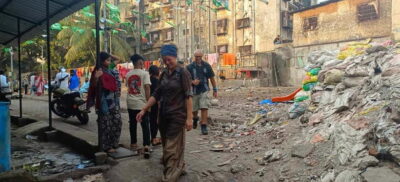
Dhobi Ghat Laundry and Dharavi Slum Tour with Local
Read our review →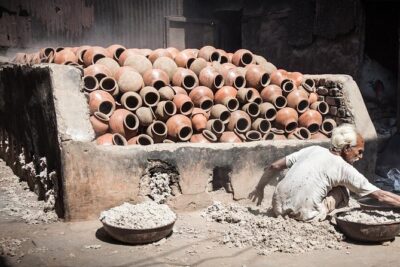
Browse the lists this tour appears in