
Reviewed · DHARAVI SLUM TOURS
Best Mumbai Private Dhobi Ghat Laundry & Slum Tour with Pickup
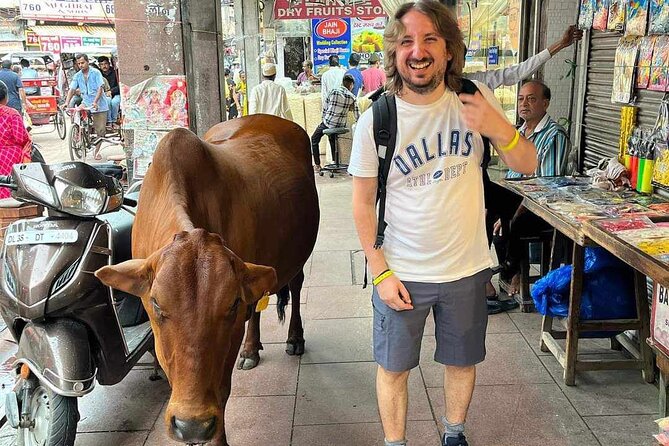
Mumbai’s open-air laundry and Dharavi’s small workshops make an unusual pair: one shows a city at work in public, the other explains how people earn a living in a densely populated neighborhood. I like that you get two very different views of daily life in one short tour, and that a private local guide can explain what you are seeing instead of leaving you to guess.
The main consideration is that this is a close look at people’s homes and workplaces, not a staged attraction. Go with curiosity and respect, and be ready to listen more than you photograph. The tour lasts about three hours, with roughly 30 minutes at Dhobi Ghat and two hours in Dharavi.
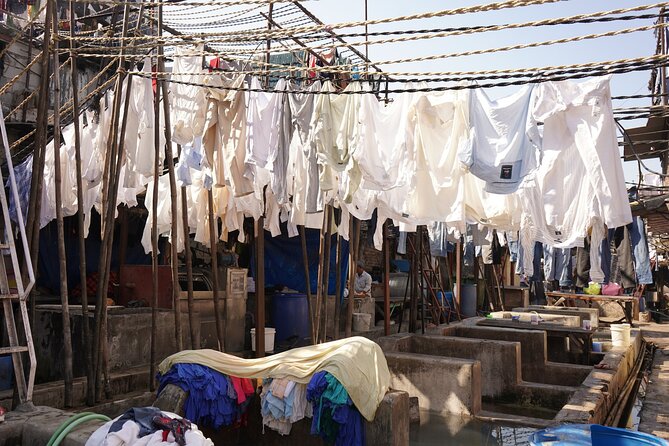
- Dhobi Ghat in half an hour: Watch workers wash, beat, dry, and handle laundry from Mumbai hospitals, hotels, and garment businesses.
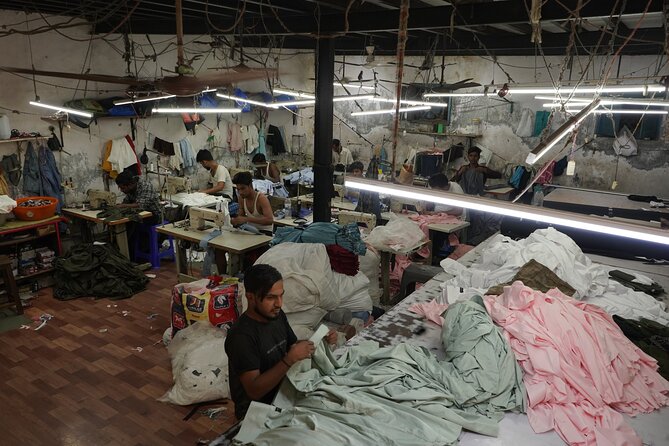
- Two hours in Dharavi: See how local work can include plastic recycling, leather production, and garment or textile businesses.
- Private tour, English-speaking guide: Only your group takes part, so you can ask questions and set a comfortable pace.
- Pickup and drop-off included: Collection can be arranged from your hotel, airport, or port.
- Local guides named on the tour: Alkama, Mohammad, and Zeeshan are among the guides associated with this experience.
- About $43.60 per person: The price covers the guide, transport, and entrance fees, but not food or drinks.
A laundry yard, then a neighborhood at work

This tour puts Dhobi Ghat and Dharavi side by side, and that contrast is its real strength. At the laundry, you see a large, visible operation: workers washing and handling clothes in an open-air setting. In Dharavi, the focus shifts to the neighborhood’s work, homes, and family life, with a guide helping you understand how the place functions.
The combination matters because neither stop tells the whole story of Mumbai on its own. Dhobi Ghat gives you a short, vivid look at a service industry. Dharavi asks for more time and attention, since its businesses and residential lanes are part of a lived-in community, not a display built for sightseeing.
The tour is private, which helps keep the experience personal. You are not trying to hear one guide over a large group, and you can ask about the work or the area as questions occur to you. That does not make every question easy to answer, but it gives the visit a more conversational shape.
Dhobi Ghat: 30 minutes among the washing stones
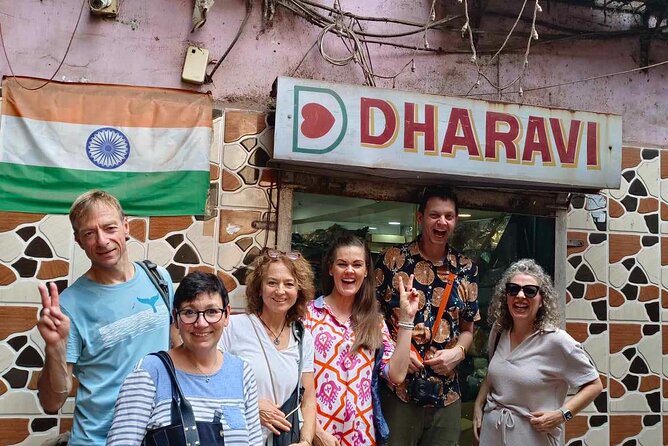
Dhobi Ghat is the first stop, with about 30 minutes set aside for the laundry. The draw is watching the work itself: Dhobiwallahs wash, scrub, and beat clothing and sheets, including laundry from some of Mumbai’s largest hospitals, hotels, and garment industries.
This is not a quiet museum visit. The activity is practical and repetitive, and the scale gives you a sense of how much labor sits behind a service most people barely notice. Your guide can point out the stages of washing, drying, and delivery, helping you follow a process that might otherwise look like a blur of movement.
The short visit is useful for travelers with limited time, but it is also a limit. You should not expect an extended account of every part of the laundry operation in half an hour. Treat it as a compact introduction, and save your questions for the guide rather than assuming the work will explain itself.
Dhobi Ghat has become a familiar stop for international visitors, but it remains a place where people are working. Keep your attention on the guide’s explanations and the people doing the job. If you want to take photographs, ask first and follow any direction you are given.
More Dharavi tours around Mumbai:
- Dharavi slum tour in Mumbai by Female tour guides of the slum
★ 5.0 · 1,976 reviews - Mumbai: Dharavi Slum, DhobiGhat, and Dabbawallas Tour
★ 4.9 · 689 reviews - Dharavi Slum Tour
★ 5.0 · 625 reviews
Dharavi: two hours beyond the movie image
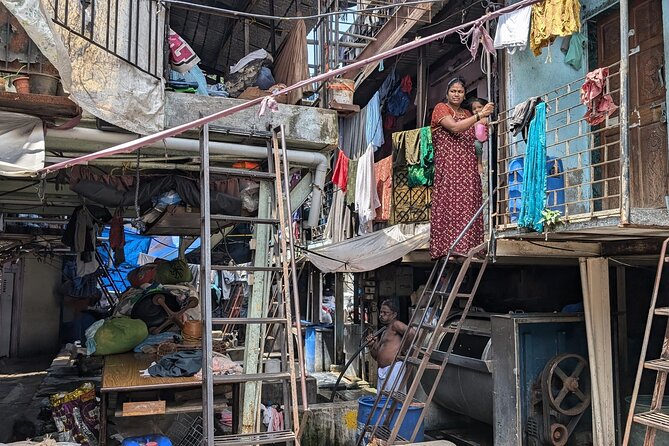
The longer part of the tour is in Dharavi, where you spend about two hours exploring with a local guide. The visit is described as an educational tour of how people live and work, rather than a quick look at hardship. You may see businesses connected to plastic recycling, leather, and garment or textile production, along with the residential spaces where families live and children play.
That mix is important. Dharavi is widely known outside India because of the Oscar-winning film Slumdog Millionaire, and the movie can shape expectations before you arrive. The tour’s central point is that the neighborhood is not simply a picture of extreme poverty. It is also a place of work, family life, and small businesses. Keeping both realities in mind makes for a more thoughtful visit.
The tour information describes Dharavi’s yearly income as about US$1 billion. That figure is a reminder of the scale of economic activity in the area, though it should not be taken to mean that money is shared evenly or that every household has the same experience. Ask your guide how the industries you see operate, and listen for the differences between a business district and a family’s living conditions.
Two hours gives this stop room to breathe. You can ask questions, follow the guide’s explanations, and take in more than one kind of activity. Still, the neighborhood is home to people, not a set. Approach it with humility, avoid treating residents as curiosities, and ask before taking photographs. The supplied tour details do not set out a specific photography policy, so follow your guide’s instructions on the day.
What a local guide adds
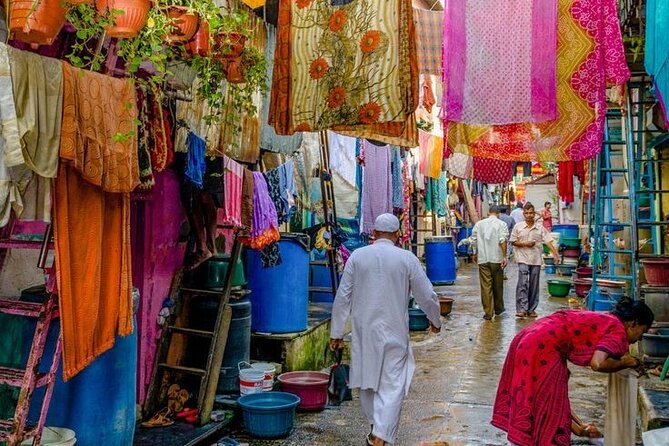
A visit like this depends heavily on the person explaining it. The guide connects what you see to the work and daily routines behind it, and can help you distinguish a functioning business from a scene that might otherwise seem hard to interpret. An English-speaking guide is included, and the tour is presented as led by a local resident guide in Dharavi.
Alkama, Mohammad, and Zeeshan are names associated with this tour. Comments about these guides praise patient explanations, good English, enthusiasm, and the ability to answer questions without rushing the group. Those qualities are especially useful in Dharavi, where a thoughtful explanation can make the difference between looking around and understanding what you are seeing.
One reported outing with Alkama included a choice between traveling by car or train from the pickup location, with the train making a useful addition for someone who had not ridden one in India. That choice is not guaranteed for every departure, so ask when arranging the tour if it matters to you. The main promise is pickup and drop-off, not a particular mode of transport.
Private pickup and a compact three-hour plan
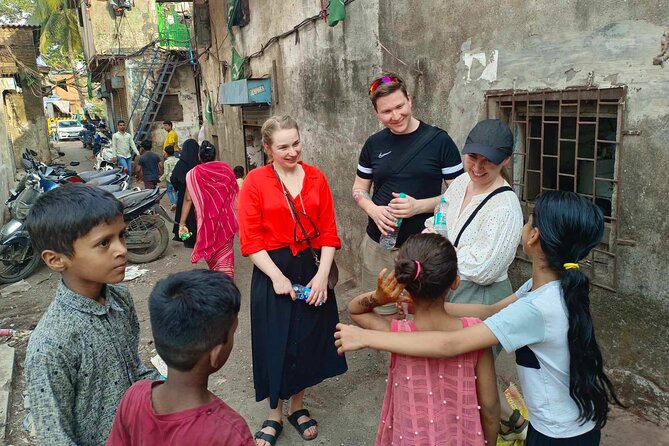
The tour runs for about three hours, including around 30 minutes at Dhobi Ghat and two hours in Dharavi. Pickup and drop-off are included, with collection offered from a hotel, airport, or port. That flexibility can be handy if you are fitting the visit around a short stay or arriving in Mumbai by air or sea.
Because the experience is private, only your group participates. That usually makes it easier to ask questions at your own pace, though the tour still has a defined schedule. The Dhobi Ghat stop is brief, so keep that in mind if you prefer long visits at each site. The longer stretch in Dharavi gives the guide more time to explain the neighborhood and its businesses.
The tour includes entrance fees and an English-speaking local guide. Food and drinks are not included. No meal stop is specified, so plan to eat before or after rather than expecting refreshments along the way.
More Dhobi Ghat visits around Mumbai:
- Mumbai: Dhobi Ghat Laundry and Dharavi Slum Tour with Local
★ 5.0 · 469 reviews - Mumbai: Dharavi Slum and Dhobi Ghat Laundry Tour
★ 5.0 · 317 reviews - Private Combo Tours Sightseeing + Dharavi Slum + Dhobi Ghat & Dabbawalas
★ 5.0 · 245 reviews - Dharavi, Dhobighat, and Mumbai Dabbawallas
★ 5.0 · 168 reviews
Is $43.60 per person good value?
At about $43.60 per person, this is more than a simple ride to two locations. You are paying for private transport, a guide, and a route that combines two distinct parts of Mumbai in roughly three hours. If you value context and want a guide to help you understand local work and living conditions, that package can be worthwhile.
The value is strongest for a small group that wants an efficient introduction to both sites. Pickup from a hotel, airport, or port can also reduce the effort of coordinating transport yourself. The price includes all entrance fees, so the main extra costs to allow for are food and drinks.
This is not the best choice if you want a long, independent visit or prefer to explore entirely on your own. The Dhobi Ghat portion is short, and the Dharavi visit is guided. Nor should you book it expecting a staged or entertainment-focused look at poverty. The point is to learn about the place and its economy, while remembering that people live and work there.
The experience is popular enough that it is booked, on average, about 25 days ahead. That does not guarantee any particular date will sell out, but it is sensible to plan ahead if your Mumbai schedule is fixed.
Who will get the most from this visit
I’d recommend this tour to travelers who want a grounded look at Mumbai’s daily economy, are comfortable visiting a residential neighborhood with a guide, and have a half-day window to spare. It can also suit first-time visitors who want local context rather than another pass by the city’s best-known sights.
It is a particularly good fit if you are curious about how work happens behind the scenes: how laundry is processed at scale, or how small industries and family life share space in Dharavi. The private format is useful if you have specific questions or prefer not to be part of a large group.
Think twice if you are uncomfortable visiting an inhabited area as part of a tour, or if you expect the outing to match the dramatic image suggested by a film. The guide can add context, but a short visit cannot represent every person’s experience. Go to learn, not to collect a poverty snapshot.
A few practical points before you book
The tour is listed as suitable for most travelers, but no detailed accessibility information is provided. If you have mobility needs or other specific requirements, check with the operator before booking rather than assuming every part of the route will suit you.
This is a private activity, and confirmation is provided at booking. Free cancellation is available if you cancel at least 24 hours before the start time. Changes made less than 24 hours before the start time are not accepted, and cancellations within that period are not refunded.
Dress and behave as you would when entering a working neighborhood, and let your guide set the tone for interaction. A respectful question can open a useful conversation; a camera pointed at someone without permission can close one. The best souvenir from this visit is a clearer sense of how these places work.
Should you book the Dhobi Ghat and Dharavi tour?
Book it if you want a compact, guided introduction to two very different sides of Mumbai and value the explanations as much as the sights. The private format, included pickup, and local guide make the $43.60 price reasonable for a three-hour outing, especially if you have limited time.
Skip it if you want an unstructured wander, or if you would rather not visit a residential community as part of a sightseeing activity. If you do go, arrive with questions, keep your expectations realistic, and follow your guide’s advice about respectful conduct. That approach makes this more than a quick stop at a famous laundry and a neighborhood known from a film.
FAQ
How long does the tour last?
The tour lasts about three hours. Around 30 minutes are planned for Dhobi Ghat and about two hours for Dharavi.
What places does the tour visit?
It visits Dhobi Ghat, the open-air laundry, and Dharavi, where the guided visit focuses on local work and daily life.
Is the tour private?
Yes. It is a private activity, so only your group participates.
Is pickup included?
Yes. Pickup and drop-off are included, with pickup offered from a hotel, airport, or port.
Is an English-speaking guide included?
Yes. The tour includes a local English-speaking guide.
What kinds of businesses might I see in Dharavi?
The tour describes businesses connected to plastic recycling, leather, and garment or textile production.
Are entrance fees included?
Yes. All entrance fees are included in the tour price.
Are food and drinks included?
No. Food and drinks are not included.
How far ahead is the tour usually booked?
It is booked about 25 days in advance on average.
More private tours around Mumbai
- Private Mumbai Sightseeing Tour (Traveller’s Choice Award Winner)
★ 5.0 · 1,565 reviews - Elephanta Caves & Island Guided Private Tour
★ 5.0 · 1,327 reviews - Private Guided Walking Tour in Fort & Colaba
★ 5.0 · 895 reviews - Highlights of South Mumbai Guided Private Tour in AC Vehicle
★ 5.0 · 620 reviews
Just added around Mumbai
- Victorian Gothic Heritage Quarter and Art Deco Walking Tour★ 4.9 · 14 reviews
- Mumbai Airport to Mumbai Hotels : Private Transfers★ 5.0 · 13 reviews
- Private Walking Tour in Dharavi Slums★ 5.0 · 7 reviews
- Mumbai Sightseeing Tour★ 5.0 · 11 reviews
- Mumbai by Night Guided Tour★ 5.0 · 6 reviews
- Vegetarian Indian Cuisine Virtual Cooking Class Experience from Mumbai★ 5.0 · 4 reviews
- Private Mumbai 2-Day Tour Package:City + Slum & Elephanta Island.★ 5.0 · 3 reviews
- Taj Mahal Day Trip Including Same Day Flights from Mumbai★ 5.0 · 3 reviews
Dharavi Slum Tours, compared.
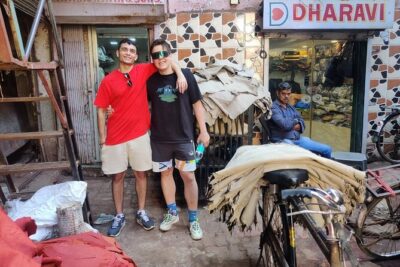
Dharavi slum tour in Mumbai by Female tour guides of the slum
Read our review →
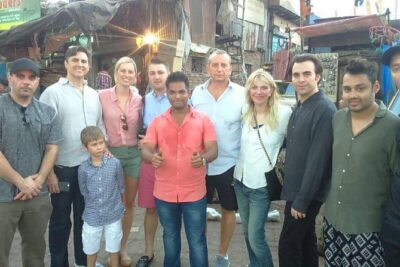
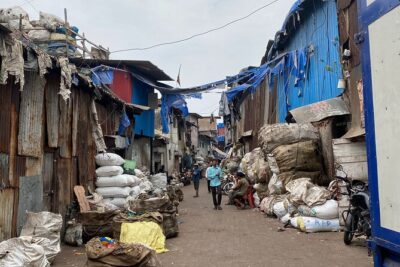
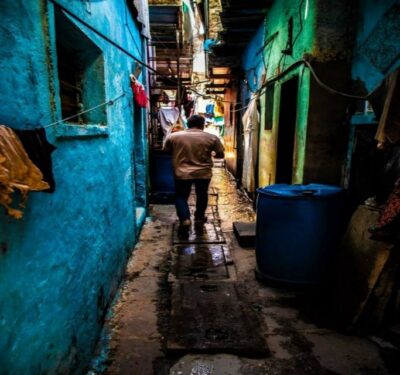
Dharavi Slum Slumdog Millionaire Tour with a Local
Read our review →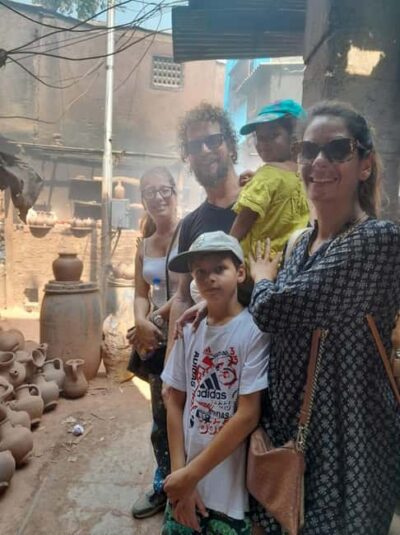
Mumbai Slum Tour – Visit Dharavi Slum with Local Guide
Read our review →
Dhobi Ghat Laundry and Dharavi Slum Tour with Local
Read our review →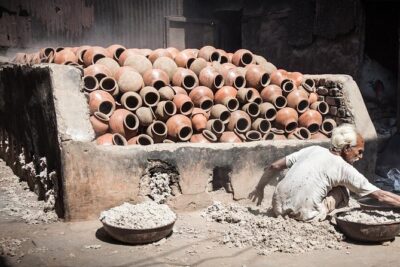
Browse the lists this tour appears in