
Reviewed · DHARAVI SLUM TOURS
Mumbai: Dharavi Slum Tour with Dhobi Ghat (Open-Air Laundry)
Dharavi is more than a name on a map: it is a working neighborhood where pottery, leatherwork, textile production, bakeries, and recycling businesses operate alongside homes. This tour focuses on how people make a living here, then ends at Dhobi Ghat, where clothes are washed, dried, ironed, and sorted by hand.
I like two things about this route: the chance to see small industries at close range, and guides such as Pooja, Varsha, and Anushka, whose local connections can make the neighborhood easier to understand. One consideration: the Dhobi Ghat visit may be brief, and the tour ends at a viewing deck rather than promising access among the laundry workers.
Key points to know
- Dharavi gets most of the time: The walk lasts about 2.5 hours, leaving the laundry stop as the shorter part of the three-hour tour.
- The focus is on work and enterprise: Expect to hear about recycling, textiles, pottery, leatherwork, bakeries, and other small businesses.
- Local guides shape the visit: Pooja, Varsha, and Anushka have all led tours, with visitors praising their explanations and connection to the area.
- Photography calls for judgment: You may take pictures, but some lanes and workplaces are people’s homes and livelihoods. Follow your guide’s direction.
- The price is low, but the package is lean: At $4.94 per person, it includes an English-speaking guide and Dharavi entry tickets, but not meals or hotel transport.
- Dhobi Ghat is viewed at the end: The tour finishes at its viewing deck. Do not book expecting a long, hands-on visit inside the laundry.
Dharavi, seen through its work
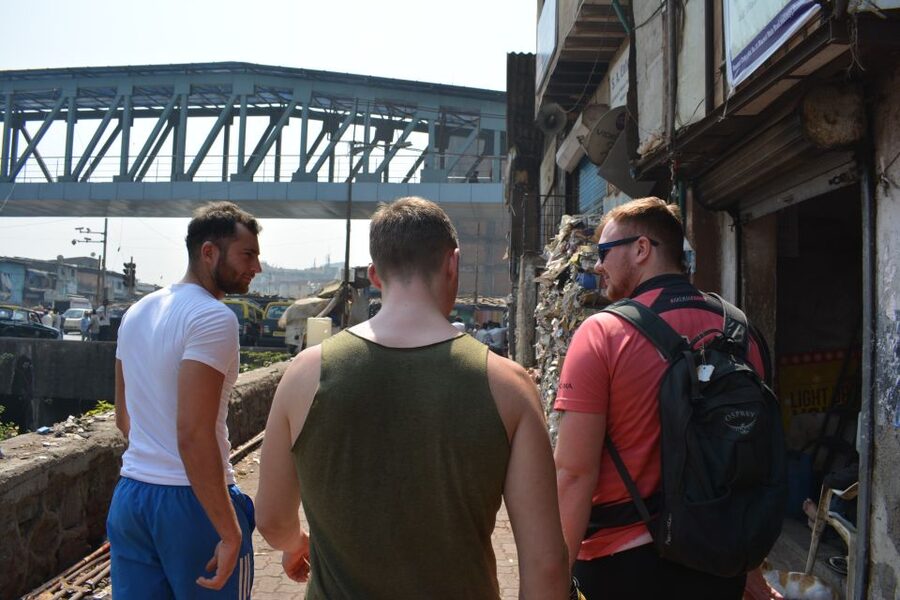
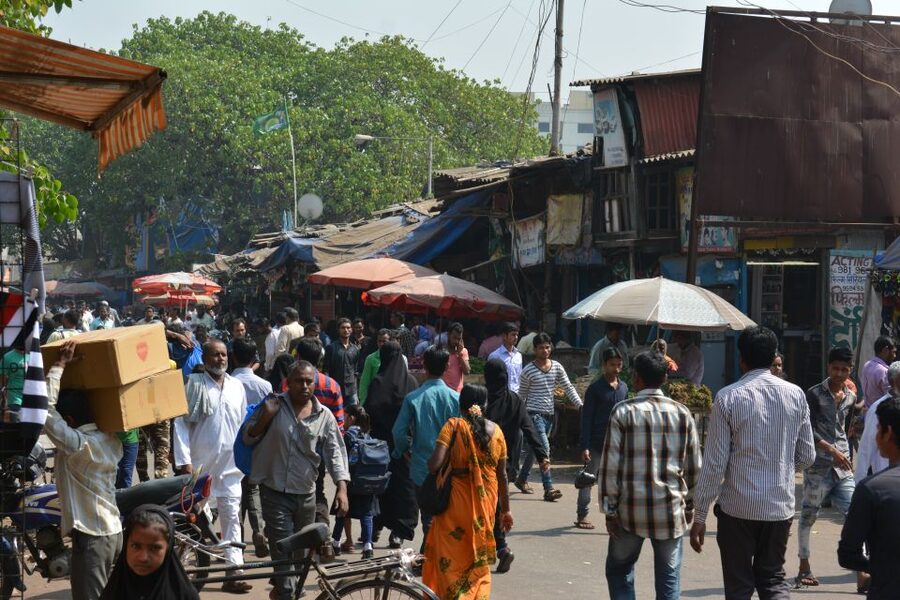
The walk begins outside Third Wave Coffee and heads into Dharavi for about two and a half hours. That is enough time to move through narrow lanes and get a closer look at the neighborhood’s trades, though the pace and exact stops can depend on the guide and the day.
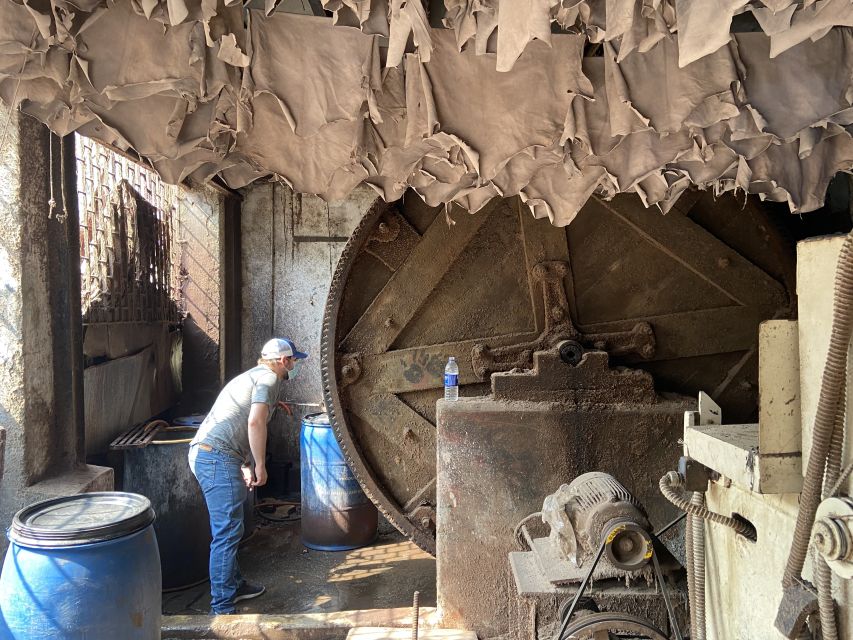
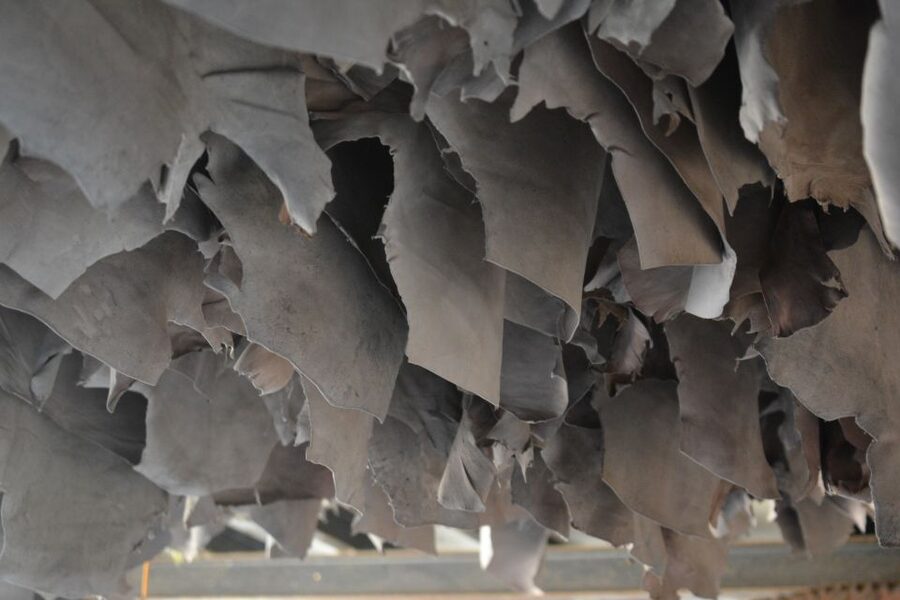
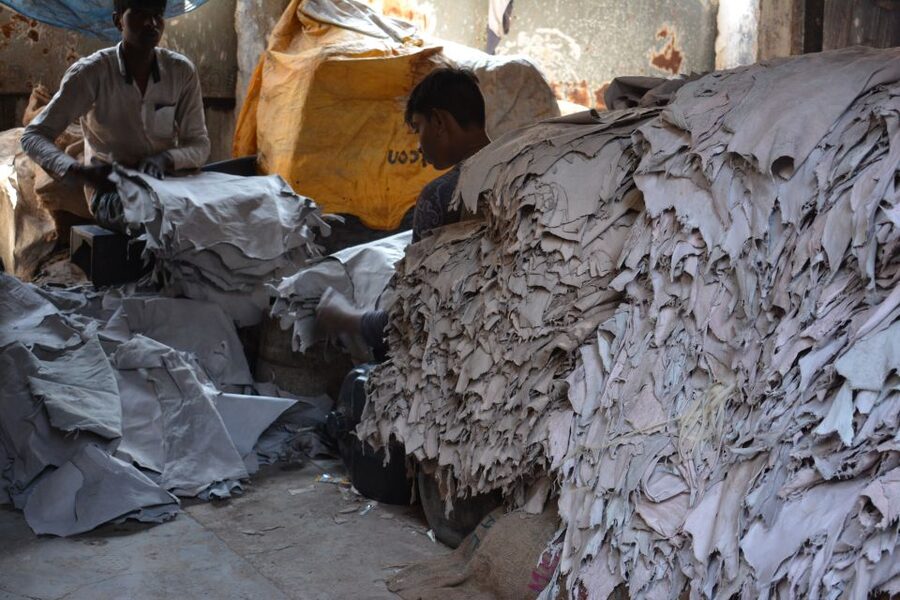
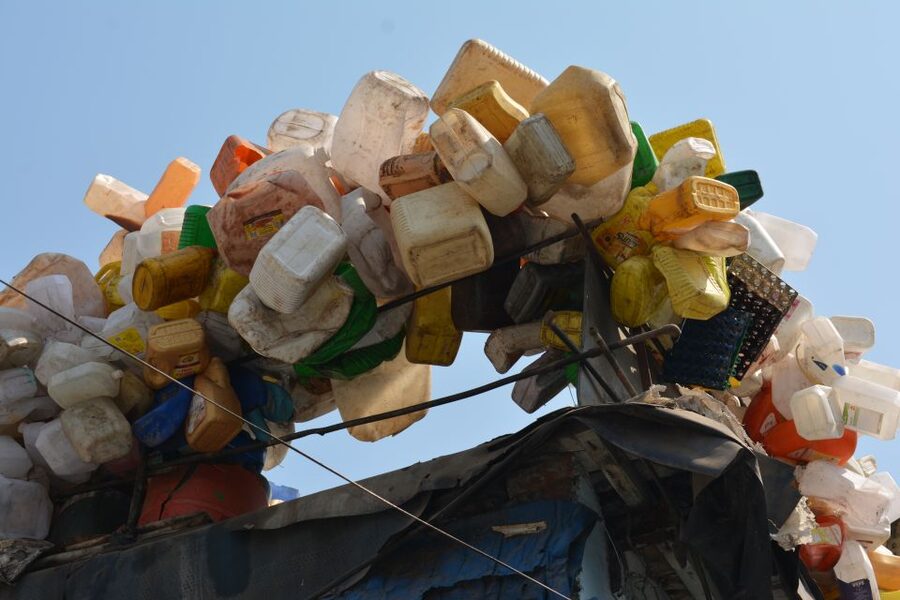
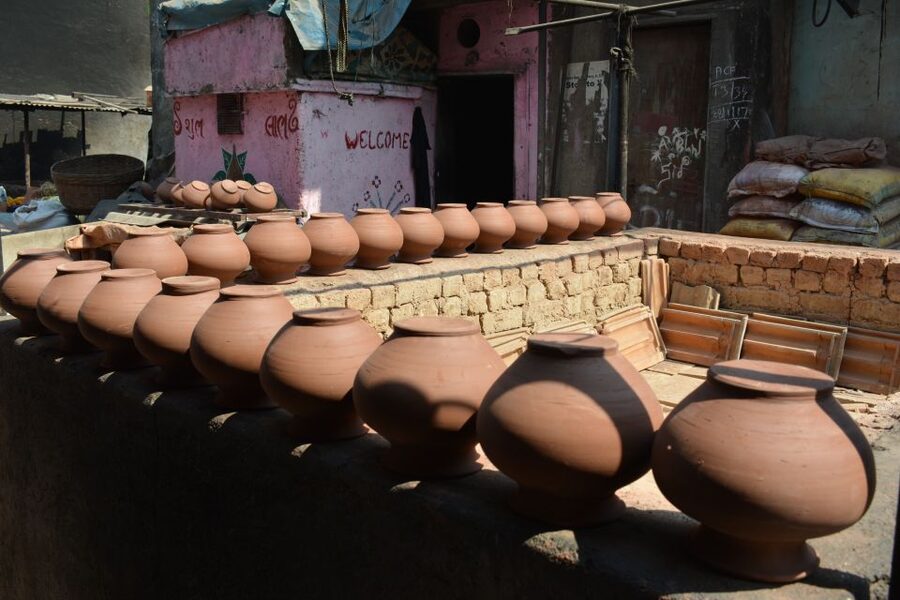
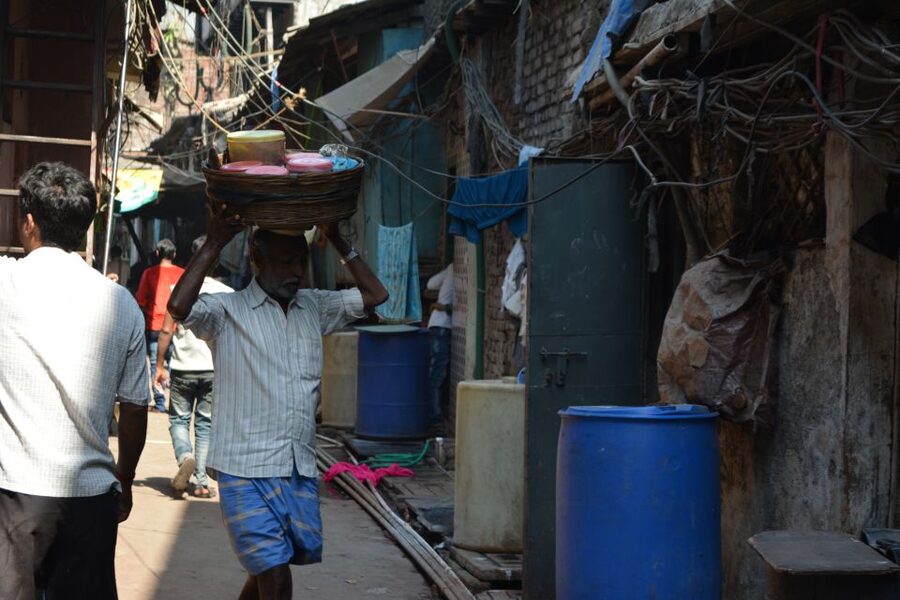
The most useful shift in perspective is from seeing Dharavi only as a place of hardship to understanding it as a place where people live and work. The tour covers recycling, pottery, leatherwork, bakery units, textiles, and small factories. You can see how used materials are sorted and turned into products with value, and hear how these businesses contribute to Mumbai’s economy.
This is not a polished industrial tour. The workshops sit within a lived-in neighborhood, and some workers also live near or in the spaces where they work. That closeness can be striking. One useful question to consider as you walk is how people organize work, space, and income in a dense area where homes and businesses share the same streets.
The tour also takes in markets and handicrafts, including textiles. These stops give the walk a practical focus: rather than treating the neighborhood as a spectacle, you can pay attention to the skills and trades that keep it running. If you are curious about how recycling works on a small scale, this part may be the most memorable.
More Dharavi tours around Mumbai:
- Dharavi slum tour in Mumbai by Female tour guides of the slum
★ 5.0 · 1,976 reviews - Mumbai: Dharavi Slum, DhobiGhat, and Dabbawallas Tour
★ 4.9 · 689 reviews - Dharavi Slum Tour
★ 5.0 · 625 reviews
A guide can make the difference
A good guide matters especially here. Dharavi’s lanes are narrow, and the meaning of what you see is not always obvious from the street. Guides Pooja, Varsha, and Anushka have been praised for explaining the industries, answering questions, and sharing personal ties to the area. Anushka, for example, grew up in Dharavi, while visitors describe Pooja as clear, engaging, and well informed.
That local context can turn a quick look at a workshop into a better understanding of who does the work and how the business fits into daily life. It also helps with the social side of the visit. Your guide can tell you when photography is appropriate and when a camera should stay down.
Do keep in mind that guide assignments can vary. The names above are examples of guides who have led the tour, not a promise that one particular person will lead your departure. The most consistent value is the guided explanation and the chance to ask questions as you go.
Respectful visiting in a residential neighborhood
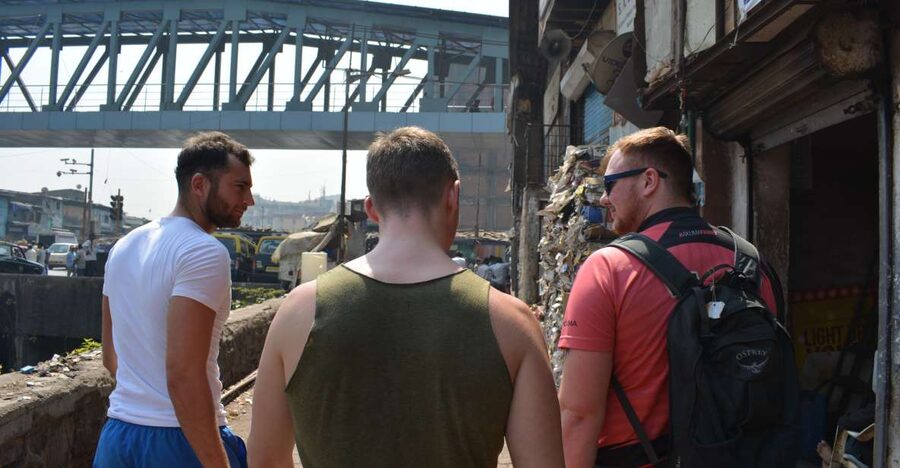
A Dharavi walk asks for a little more care than a standard sightseeing stop. People are not part of a display, and the lanes are both public space and part of daily life. Photography is allowed, but follow your guide’s instructions, ask when unsure, and avoid treating residents or workers as photo subjects without consent.
The focus on livelihoods helps keep the visit grounded. You are there to learn about work, enterprise, and the way a neighborhood functions, not to collect images of poverty. That does not mean every scene will feel easy. A glimpse of crowded workspaces or workers living close to their jobs can be sobering, and it is reasonable to take time to think about what you are seeing.
If you have concerns about this kind of tour, ask yourself what you hope to learn and how you plan to behave. A respectful visitor listens, follows local guidance, and accepts that some places are not suitable for photographs or prolonged looking. This tour is best for people willing to engage with the neighborhood as a community, not as a backdrop.
Dhobi Ghat: a short final stop
The tour ends at the Dhobi Ghat viewing deck, overlooking Mumbai’s famous open-air laundry. Hundreds of washermen carry out the work of washing, drying, ironing, and sorting clothes by hand. From above, you can see the organized rhythm of a place that handles a vast amount of the city’s laundry.
The contrast with Dharavi is part of the appeal. You have spent most of the tour learning about small-scale production and local work, then get a view of another long-running working system. The laundry is not just a photo stop; it is a chance to see how much careful labor sits behind a routine service.
Set your expectations for the length of this visit. The full tour is three hours, with roughly 2.5 hours allocated to Dharavi, so Dhobi Ghat is the shorter stop. One account describes the second section, from meeting the guide to the train journey and viewing the laundry, as taking less than 30 minutes, and notes that the guide did not arrange access down inside the laundry. Treat the viewing deck as the included finish, not a guarantee of an extended visit among the workers.
More Dhobi Ghat visits around Mumbai:
- Mumbai: Dhobi Ghat Laundry and Dharavi Slum Tour with Local
★ 5.0 · 469 reviews - Mumbai: Dharavi Slum and Dhobi Ghat Laundry Tour
★ 5.0 · 317 reviews - Private Combo Tours Sightseeing + Dharavi Slum + Dhobi Ghat & Dabbawalas
★ 5.0 · 245 reviews - Dharavi, Dhobighat, and Mumbai Dabbawallas
★ 5.0 · 168 reviews
What the $4.94 price does and does not cover
At the listed price of $4.94 per person, this is an unusually inexpensive way to join a guided walk in Mumbai. Its value comes mainly from having an English-speaking guide explain what you are seeing in Dharavi, where a row of workshops or a recycling operation can otherwise be hard to interpret. Dharavi entry tickets are also listed as included.
The low price does not mean a full-day outing. The tour lasts three hours and does not include hotel pickup, drop-off, food, or drinks. You will need to get yourself to the meeting point and plan your own meal before or after. Bring water, since the walk takes place through busy streets and restroom access may be limited.
The tour offers free cancellation up to 24 hours before departure, and you can reserve without paying immediately. Starting times depend on availability, so check the time that suits your plans rather than assuming a fixed daily schedule.
Practical details for a smoother walk
Meet your guide outside the Third Wave Coffee shop and arrive 15 minutes before departure. The tour is in English and operates rain or shine, so dress for the weather and bring an umbrella if rain is forecast.
Wear comfortable shoes. The route includes narrow lanes and busy streets, where sturdy footwear is more useful than anything delicate. A hat and reusable water bottle are sensible choices, and you should use a restroom before the tour if you can.
Leave luggage and large bags behind. Baby strollers are not allowed, and the tour is not suitable for wheelchair users or people over 95 years old. Since food and drinks are not included, eat beforehand if you do not want to walk hungry.
Who should book this tour?
I would put this tour on your list if you want to understand Mumbai through its workers and small businesses, and you are comfortable walking through a dense residential area. It suits curious visitors who like asking questions and want more than a distant look at the city’s famous sights. The combination of Dharavi’s trades and Dhobi Ghat’s laundry gives you two very different views of work in Mumbai.
It is less suited to anyone seeking a leisurely, private visit or a long tour inside Dhobi Ghat. The laundry stop is brief, and the walk through Dharavi requires attention to residents’ privacy. If you approach both places with respect and want the local guide’s context, the price makes this a strong-value introduction to parts of Mumbai many visitors do not see.
FAQ
How long is the tour?
The full tour lasts three hours. About 2.5 hours are spent walking through Dharavi, followed by a shorter visit to Dhobi Ghat.
Where is the meeting point?
Meet your guide outside the Third Wave Coffee shop. Arrive 15 minutes before the scheduled departure.
What language is the tour in?
The live guide speaks English.
What is included in the price?
The tour includes an English-speaking guide and entry tickets for Dharavi. Hotel pickup and drop-off, food, and drinks are not included.
Can I take photographs?
Photography is allowed, but you should respect residents’ privacy and follow your guide’s instructions about where and when to take pictures.
What should I bring?
Wear comfortable shoes and consider bringing a hat, camera, and reusable water bottle. Large bags and luggage are not allowed, and restroom facilities may be limited during the walk.
Just added around Mumbai
- Victorian Gothic Heritage Quarter and Art Deco Walking Tour★ 4.9 · 14 reviews
- Mumbai Airport to Mumbai Hotels : Private Transfers★ 5.0 · 13 reviews
- Private Walking Tour in Dharavi Slums★ 5.0 · 7 reviews
- Mumbai Sightseeing Tour★ 5.0 · 11 reviews
- Mumbai by Night Guided Tour★ 5.0 · 6 reviews
- Vegetarian Indian Cuisine Virtual Cooking Class Experience from Mumbai★ 5.0 · 4 reviews
- Private Mumbai 2-Day Tour Package:City + Slum & Elephanta Island.★ 5.0 · 3 reviews
- Taj Mahal Day Trip Including Same Day Flights from Mumbai★ 5.0 · 3 reviews
Dharavi Slum Tours, compared.
Dharavi slum tour in Mumbai by Female tour guides of the slum
Read our review →

Dharavi Slum Slumdog Millionaire Tour with a Local
Read our review →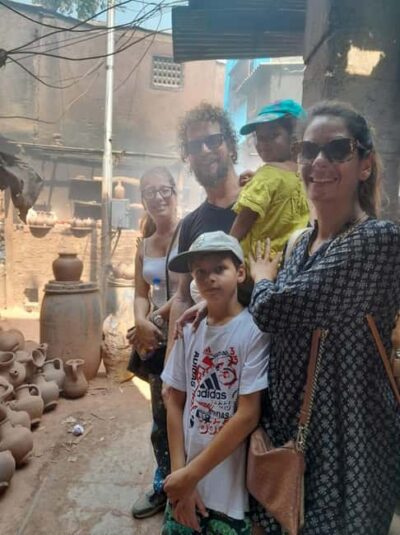
Mumbai Slum Tour – Visit Dharavi Slum with Local Guide
Read our review →
Dhobi Ghat Laundry and Dharavi Slum Tour with Local
Read our review →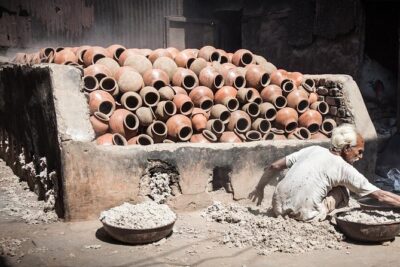
Browse the lists this tour appears in