
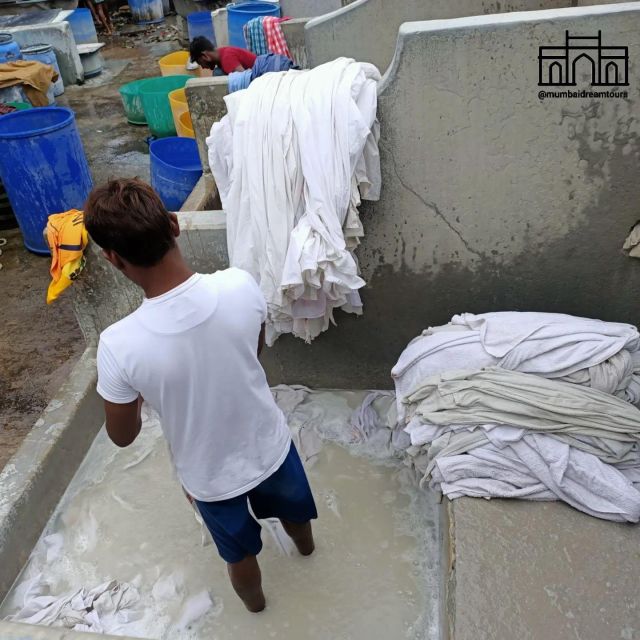
Reviewed · DHOBI GHAT TOURS
Dhobi Ghat Tour
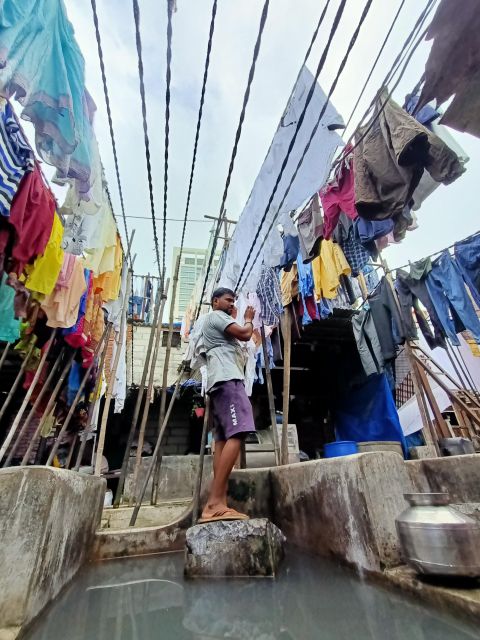
Mahalaxmi Dhobi Ghat is a working laundry on a city-sized scale: clothes arrive from across Mumbai, and Dhobi families sort, wash, dry, and iron them in a tightly organized system. The work is practical, physical, and still largely done by hand.
I like two things about this short visit: you get a close look at the steps behind the laundry, and a guide can put the work in context by sharing stories about the people who do it. The Dhobis’ own roles, from sorting garments to beating out stains and pressing them with heavy charcoal irons, make the place more than a photogenic stop.
One important catch: photography inside is not allowed, despite the colorful clotheslines being a draw. The tour is advertised as about 30 minutes, but one past visit lasted only eight, so I’d keep expectations flexible and ask the operator about timing before you set out.
What makes this laundry worth a stop

- It’s a working facility, not a staged display. Clothes come in from around Mumbai, and the washing and ironing continue through the day.
- The process has many hands. One person may sort by color and type, another scrub or beat out stains, while others hang clothes to dry or iron them.
- Dhobi families run the work. A guide can explain how the jobs are divided and what daily life at the ghat involves.
- Hospital laundry has separate handling. The site has areas for boiling water and washing clothes from hospitals.
- The tour is short and inexpensive. At $11 per person, it can fit into a busy Mumbai day, though the variable reported duration matters.
- You can’t photograph inside. Treat this as a chance to watch closely rather than a photo stop.
Seeing the work behind Mumbai’s laundry
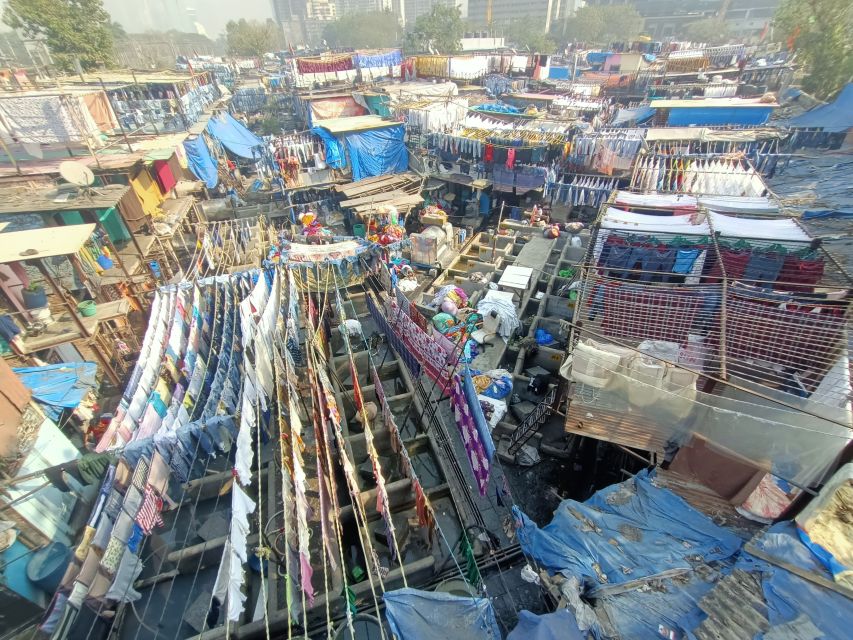
Mahalaxmi Dhobi Ghat is described as the world’s largest open-air laundry, and it has operated for more than a century. Its scale comes into focus when you consider how much clothing moves through it: laundry arrives from across Mumbai, then passes through a chain of washing, drying, ironing, and delivery.
The tour gives you a look at that system rather than a polished presentation. The work area is busy, with families handling different parts of the process. Some use machines, but much of the work is still done by hand. That mix matters: you are seeing a traditional trade adapting to modern tools, not a frozen picture of the past.
The best way to watch is to follow one batch of clothes through the steps. You may see garments sorted by color and type, stains worked out in washing troughs, and wet clothes hung to dry. Later, family members press items with bulky charcoal irons. The labor is easy to underestimate until you notice how many separate tasks stand between a pile of dirty laundry and a crisp shirt ready to return to its owner.
There is an appealing order to the activity, but don’t expect a tidy demonstration with each stage presented on cue. This is a working place, so what you see depends on the day and the tasks underway. The guide helps connect the pieces, making it easier to understand why the laundry is organized as it is.
More Dhobi Ghat visits around Mumbai:
- Mumbai: Dharavi Slum, DhobiGhat, and Dabbawallas Tour
★ 4.9 · 689 reviews - Mumbai: Dhobi Ghat Laundry and Dharavi Slum Tour with Local
★ 5.0 · 469 reviews - Mumbai: Dharavi Slum and Dhobi Ghat Laundry Tour
★ 5.0 · 317 reviews
A short guided walk with local context
The meeting point is the Dhobi Ghat viewpoint near the entrance, at 26-40 Anandilal P Marg, Dhobi Ghat, Shanti Nagar, Mahalaxmi, Mumbai. The activity ends back at the meeting point. The tour is listed as an approximately 30-minute walk, so it’s a compact visit rather than a long, detailed workshop.
A guide can make a real difference here. The laundry’s activity is visible, but the reasons behind the routines are less obvious from a viewpoint. You’ll want to know who handles each stage, how families divide the work, and what the daily demands are. The stated tour language is English.
Two guide names associated with the experience are Havat and Hardik Tank. Havat has lived and worked at Dhobi Ghat throughout his life, following generations of family members, and has been described as a humorous character. Hardik Tank has been described as gentle, helpful, and well prepared. You may not have either guide on your particular date, so treat those names as examples rather than a promise.
The personal side is one of the visit’s strongest points. The people who work here are not background scenery; they manage the laundry and may share stories about the job and its challenges. Children at the ghat may be around, and playing marbles with them has been mentioned as a possible moment, but don’t count on it as a scheduled part of the tour.
What you’ll see, step by step

The visit begins at the viewpoint, where you can take in the layout before focusing on individual tasks. From there, your guide can introduce the Dhobi Ghat’s history and explain its role in Mumbai. It’s a useful first pause: with the whole facility in view, the rows of work areas and lines make more sense than they would as scattered details.
Next, you’ll watch the washing process. Clothes are sorted by color and type, then cleaned in troughs. A Dhobi may beat fabric to remove stains, while another person handles the next batch. The work is repetitive and physical; the interesting part is seeing how each person’s task fits into a larger flow.
Drying is another part of the scene. Clothes hang in rows, creating the bright displays that make the ghat a memorable sight. Hospital and hotel linens can bring a more uniform look, while other garments add color. The facility also has separate areas for boiling water and washing infected hospital clothes, a reminder that this is not only a visual attraction but a service with practical responsibilities.
The later stages include ironing and getting laundry ready for delivery. Heavy charcoal irons are used, and porters bring in more loads on their backs, bicycles, or handcarts. You may see these comings and goings during the tour, though the timing depends on what is happening at that moment.
The sequence is not guaranteed to unfold like a fixed show. It’s better to think of the visit as a guided look at an active workplace, where you observe whichever jobs are happening while you’re there. That also means the guide’s explanation is valuable: it turns a quick look into a clearer picture of the labor and organization involved.
Photography rules and what to notice instead
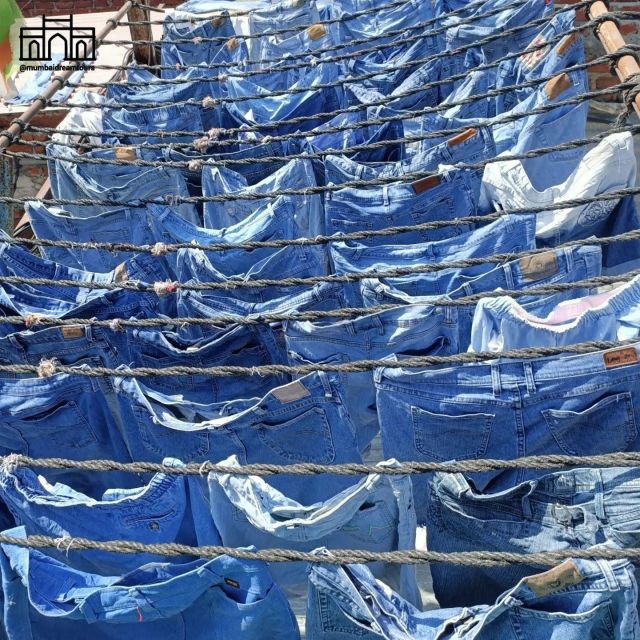
Colorful clotheslines are a natural draw, especially if you enjoy street and documentary photography. However, photography inside is not allowed. The tour information also promotes the ghat as a photography subject, so the practical rule needs to take priority: don’t assume you can take pictures once inside.
You can still make the most of the visit by looking for details. Watch how garments are separated, how many people share the work, and how the process shifts from washing to drying and pressing. Notice the contrast between colorful clothing and the more uniform hospital or hotel linens. These details tell the story without a camera.
If photography is central to your reason for booking, ask the operator what is permitted at the viewpoint before you go. The stated restriction applies inside; no further photography permissions are specified. A quick check is better than arriving with the wrong expectation.
More tours and days out around Mumbai:
- Dharavi slum tour in Mumbai by Female tour guides of the slum
★ 5.0 · 1,976 reviews - Mumbai: Full-Day Sightseeing Tour of Mumbai
★ 4.9 · 1,822 reviews - Private Mumbai Sightseeing Tour (Traveller’s Choice Award Winner)
★ 5.0 · 1,565 reviews - Elephanta Caves & Island Guided Private Tour
★ 5.0 · 1,327 reviews
Is $11 good value for a half-hour visit?
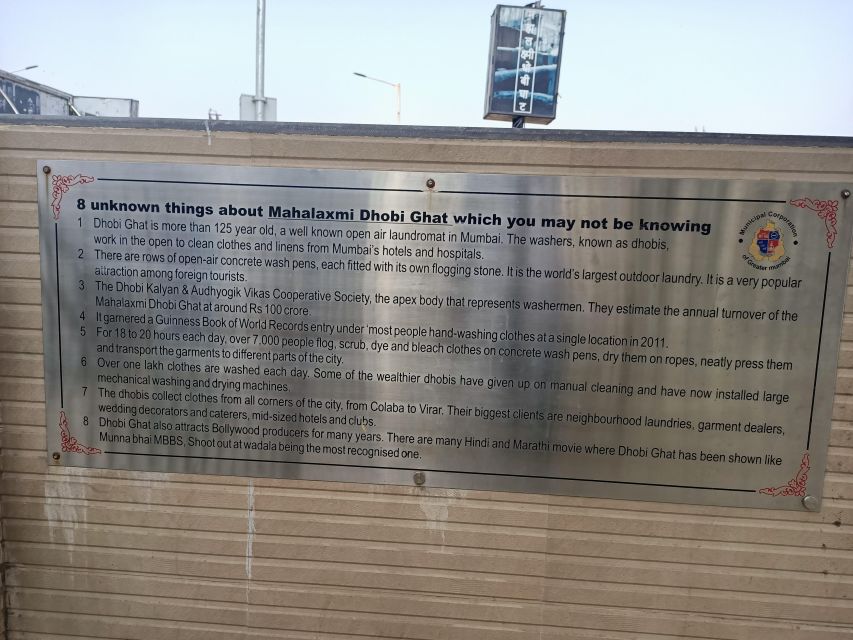
At $11 per person, the price is modest for a guided introduction to one of Mumbai’s distinctive working sites. Entry tickets, an English-speaking guide, and tea are included. The value depends less on the number of minutes than on how much context you get during them.
With a guide who explains the work and the people behind it, the visit can offer a compact look at a trade you might otherwise only glimpse from outside. It also gives you a different kind of Mumbai stop: not a monument or museum, but a place tied to the daily routines of a large city. If you’re interested in local work and urban life, that can be worthwhile even when the visit is brief.
The weak point is the gap between the advertised approximate 30 minutes and one reported visit of only eight minutes. That’s a substantial difference, and it affects the value. I’d contact Mumbai Dream Tours ahead of time to confirm how long the guided portion is expected to last on your date. The tour’s short format may suit you, but it’s not a good choice if you expect an extended visit or detailed access to every part of the site.
Tea is included, though no further details about where or when it is served are specified. Don’t book for the tea alone; consider it a small extra alongside the guide and entry.
Timing, access, and small practical details
The suggested start time is 8 a.m. That gives you a morning visit, but no guarantee is provided about which tasks will be underway at that hour. If you have flexibility, the early start is the recommended time in the tour details.
The meeting point is the Dhobi Ghat viewpoint, and the activity returns there. The location is in Mahalaxmi, Mumbai, Maharashtra. The tour is offered in English, and the stated duration is approximately 30 minutes.
Photography inside is prohibited. Keep your camera put away unless the guide or operator clearly confirms what is permitted at the viewpoint. The tour includes entry tickets, so you don’t need to treat admission as a separate cost.
Booking can be made with a reserve-now, pay-later option, and cancellation up to 24 hours in advance is eligible for a full refund. Those terms are useful if you’re fitting the tour around a changing Mumbai schedule, but check the booking conditions when you reserve.
Who should book this Dhobi Ghat tour?

I’d recommend it if you’re curious about how Mumbai works beyond its headline sights. The visit suits you especially well if you like seeing everyday trades, hearing directly about work and family life, and asking questions while you watch a process unfold. It’s also a useful option when you want a short cultural stop rather than a long excursion.
It may be less satisfying if you want a guaranteed 30-minute experience, unrestricted photography, or a detailed walk through every section. The site itself is compelling, but the tour’s quality depends on the guide and the time spent explaining what you see. The reported contrast between a very short visit and a full, enjoyable guided experience is worth taking seriously.
At $11, I’d book if the working laundry and the human stories interest you, and if you’re comfortable with a brief visit. Before paying, confirm the expected duration and the photography rules for the viewpoint. If you do, you’ll arrive with the right expectations and a sharper eye for the work taking place in front of you.
FAQ

How much does the Dhobi Ghat tour cost?
The tour costs $11 per person.
How long does the tour last?
It is listed as approximately 30 minutes. One past visit lasted eight minutes, so the actual duration may vary.
Where does the tour start and end?
It starts at the Dhobi Ghat viewpoint near the entrance and ends back at the meeting point.
What language is the tour offered in?
The tour is offered in English.
What is included in the price?
Entry tickets, an English-speaking guide, and tea are included.
Can I take photographs inside Dhobi Ghat?
No. Photography inside is not allowed.
What time is best to start?
The suggested start time is 8 a.m.
Can I cancel the tour and get a refund?
You can cancel up to 24 hours in advance for a full refund.
Just added around Mumbai
- Victorian Gothic Heritage Quarter and Art Deco Walking Tour★ 4.9 · 14 reviews
- Mumbai Airport to Mumbai Hotels : Private Transfers★ 5.0 · 13 reviews
- Private Walking Tour in Dharavi Slums★ 5.0 · 7 reviews
- Mumbai Sightseeing Tour★ 5.0 · 11 reviews
- Mumbai by Night Guided Tour★ 5.0 · 6 reviews
- Vegetarian Indian Cuisine Virtual Cooking Class Experience from Mumbai★ 5.0 · 4 reviews
- Private Mumbai 2-Day Tour Package:City + Slum & Elephanta Island.★ 5.0 · 3 reviews
- Transfer from Mumbai Airport to Hotel★ 4.0 · 7 reviews
Dhobi Ghat Tours, compared.

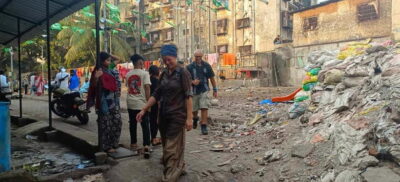
Dhobi Ghat Laundry and Dharavi Slum Tour with Local
Read our review →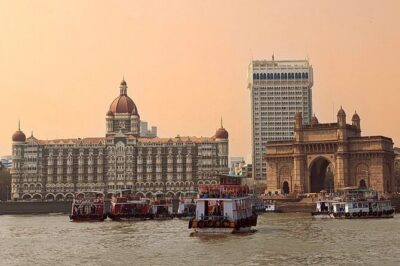
Private Combo Tours Sightseeing + Dharavi Slum + Dhobi Ghat & Dabbawalas
Read our review →
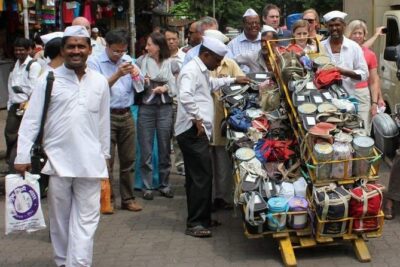
Dabbawala, Dhobi Ghat & Dharavi slum Tour with Local Train Ride
Read our review →
Dharavi Slum Tour with Dhobi Ghat (Open-Air Laundry)
Read our review →
Mumbai Dharavi Slum, Dhobi Ghat & Dabbawala Lunchbox Tour
Read our review →
Mumbai City Tour With Laundry And Hotel Transfers (South Mumbai)
Read our review →Browse the lists this tour appears in